
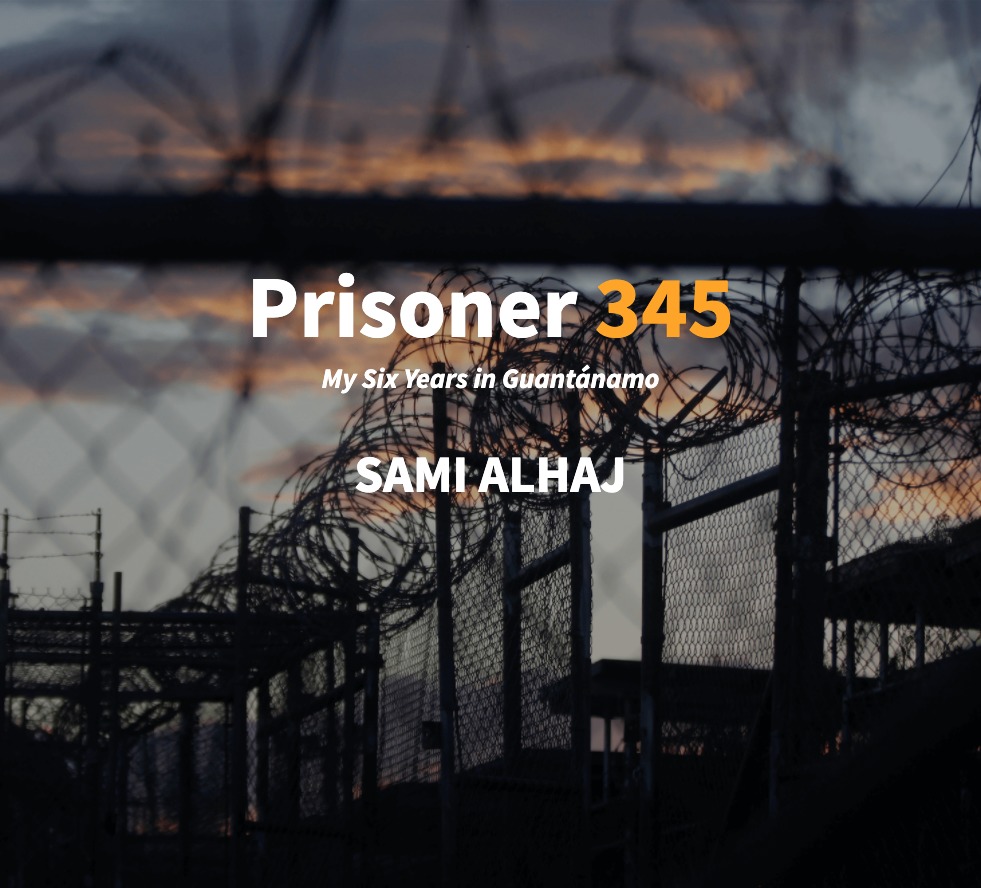

Gaza, Art as Resistance Amid Ruin
![Ibrahim Mahna’s makeshift studio survives in his damaged home, which was hit by an Israeli tank shell [Courtesy of Ibrahim Mahna]](https://liberties.aljazeera.com/resources/uploads/2026/01/1768301688.webp)
Ibrahim Mahna’s makeshift studio survives in his damaged home, which was hit by an Israeli tank shell [Courtesy of Ibrahim Mahna]
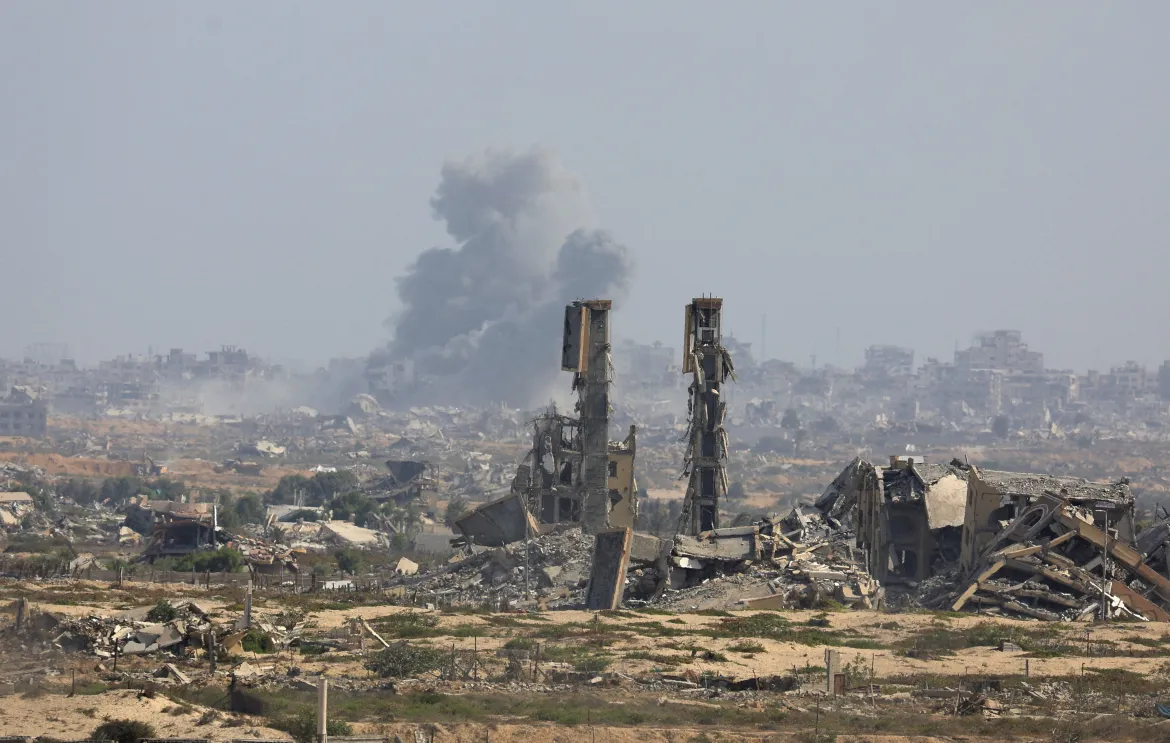
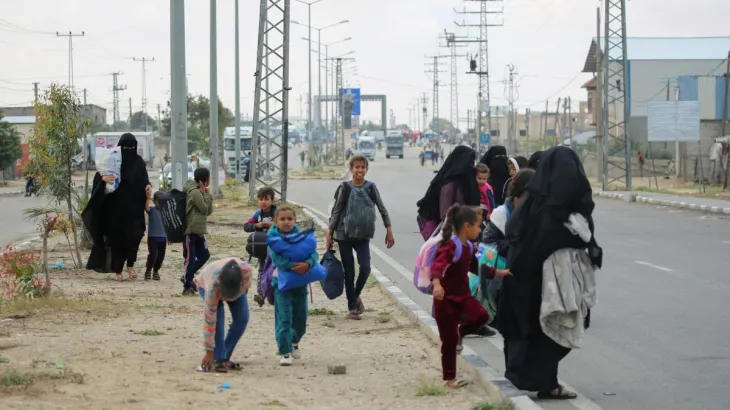
In Gaza, where war has hollowed out streets and institutions alike, art has become a means of endurance as much as expression. The collapse of several buildings in Gaza City on Monday evening, after fierce winds swept the strip, killing at least three people and injuring several more, underscored how fragile daily life has become. Gusts reaching roughly 100 kilometres an hour tore through neighbourhoods already weakened by months of bombardment, blowing away tents that had become substitute homes for thousands. Gaza’s Civil Defence fielded dozens of distress calls, a reminder that in a place stripped of normal infrastructure, even the weather can be lethal.
Violence layered itself onto the natural calamity. In Khan Younis, three Palestinians were killed on Monday in a quadcopter strike near the so-called yellow line, an informal boundary marking areas of heightened military risk. Earlier, the director of police investigations in the area was shot dead in Al Mawasi, the Interior Ministry blaming agents of the occupation. Each incident reinforced the sense that authority in Gaza is splintered, with security officials, militants and civilians all exposed to sudden death.
Across the occupied West Bank, pressure mounted in parallel. Israeli forces raided villages around Hebron, detaining at least 13 people, including a child and a journalist, and demolishing homes along with an agricultural water well. Near Tulkarem, houses in the Jabal Al Naser area overlooking Nur Shams refugee camp were detonated. The tactics, familiar from earlier rounds of unrest, are meant to deter militancy but often deepen resentment, eroding livelihoods and trust.
In such conditions, art has taken on a political function. Murals painted on cracked walls, poems circulated online and performances staged in shelters serve not only as testimony but as defiance. They assert continuity in a landscape of erasure, offering a language for grief and anger when formal politics seems distant or futile. For many Gazans, creativity has become a form of resistance, quieter than rockets yet stubbornly persistent, insisting on dignity amid collapse
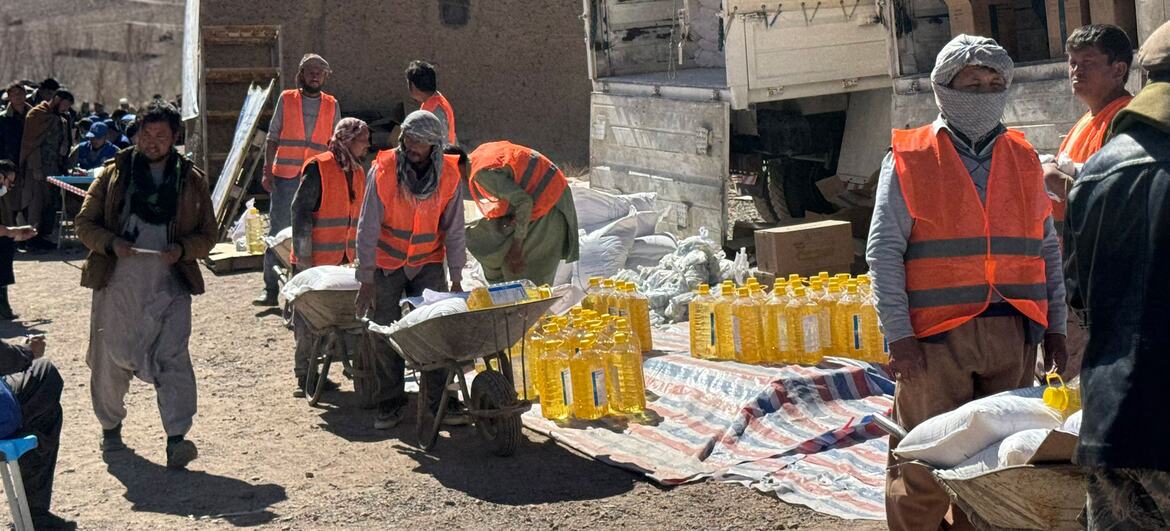
Afghanistan, Caught Between Borders and an Escalating Middle East War
From a human rights perspective, the situation remains grave. The UN has highlighted the six-month prohibition on female Afghan national staff from working within UN operations, alongside...

Upholding Human Rights: EU Foreign Ministers Must Address Palestinian Concerns on February 23
The EU’s lack of decisive action contradicts its commitments to human rights, necessitating measures like suspending the EU-Israel Association Agreement and imposing sanctions against...
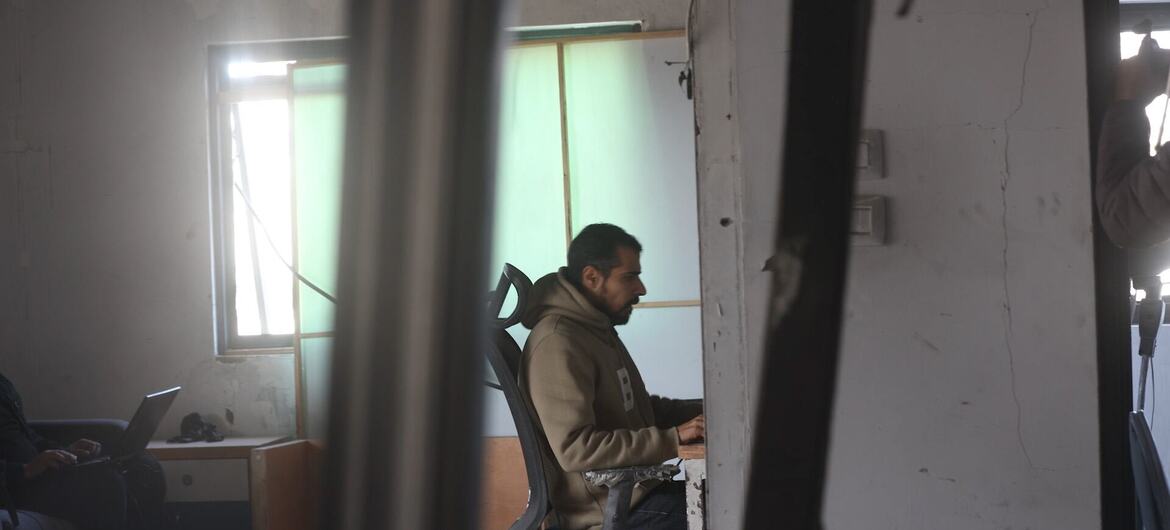
Gaza’s Airwaves, Radio Returns as a Humanitarian Lifeline
Humanitarian and reconstruction policies should prioritise media recovery as part of recovery: rapid supply of transmitters and fuel, training and protection for journalists, and funding for...
- Most Viewed
- Most Popular

Our Network
Our Channels

© 2026 Al Jazeera Media Network. All rights reserved.