

Gas Or Firewood/Poverty in Rohingya Camps
Archive/Al Jazeera.
A liquefied petroleum gas programme that kept children in school and forests standing has been undermined by US funding cuts. Eighty thousand households remain without coverage.
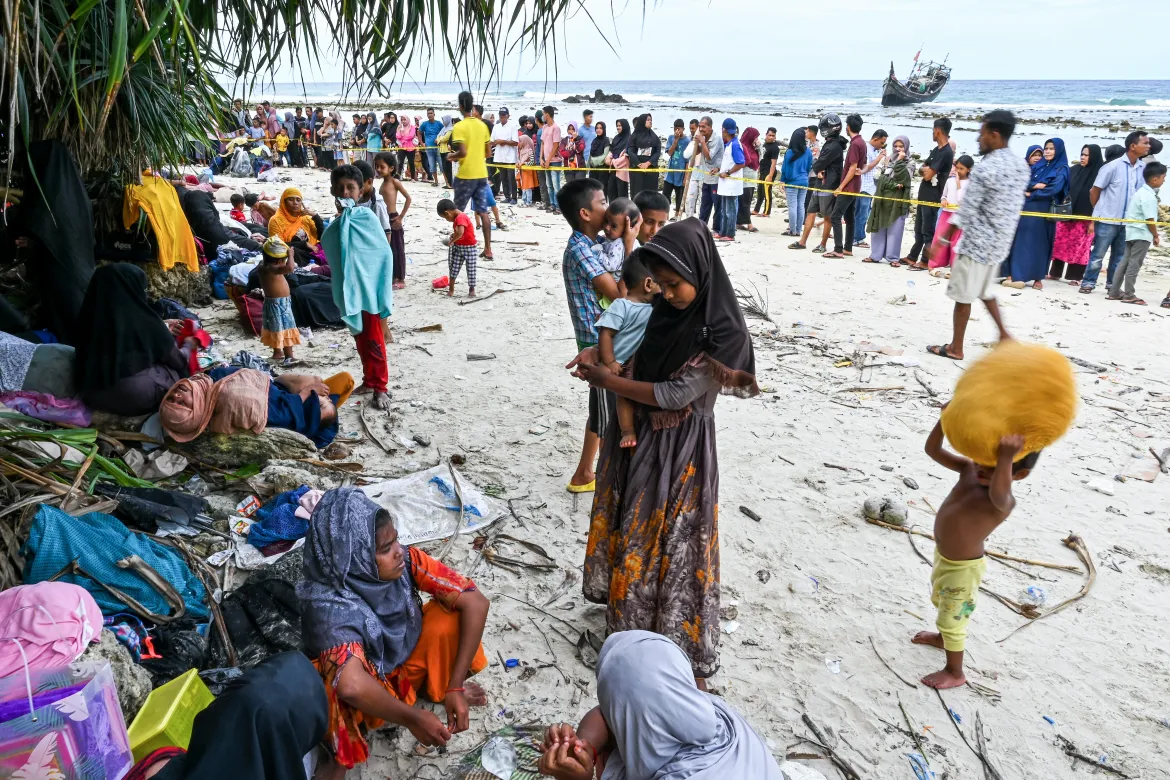
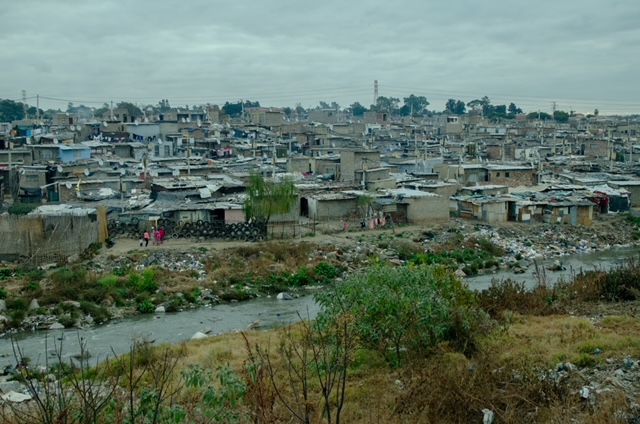
Since 2018, the Safe Access to Fuel and Energy programme has been one of the more measurable successes in the Cox’s Bazar camps. Before it began, the roughly 900,000 Rohingya refugees in Bangladesh needed an estimated 700 metric tonnes of wood every day for cooking, denuding forests, driving landslides and exposing families, particularly women, to gender-based violence as they foraged. LPG changed that. By 2024, UNHCR and IOM were jointly distributing over 1.77 million refills a year. An estimated 14,500 hectares of forest were being protected by the intervention. Respiratory illness rates fell. Children attended school instead of collecting fuel.
American funding cuts, accelerating through 2025 and deepening in 2026, have reversed much of that progress. UNHCR’s $255 million appeal for the Rohingya response is only 35% funded. The education of Rohingya children has already been hit hard, with UNICEF forced to suspend thousands of learning centres, putting some 437,000 school-age children at risk of losing access to education. Unless additional funds are secured, LPG supplies for the remaining uncovered households will run out. Health services are next.
China and South Korea have partially bridged the gap left by the United States, but 80,000 households remain without LPG coverage. The Chinese commitment expires in October, and there is no confirmed replacement. For families sliding back onto plastic waste and scavenged wood, the health consequences are already visible: indoor air pollution, burns and the return of the firewood economy’s daily dangers. A Rohingya activist who built a career supported by that same humanitarian system is now pleading publicly for its restoration, warning that every compounding shock, fire, flood, funding cut, makes the next one harder to absorb. A major fire in January 2026 alone displaced over 2,000 refugees.
The 2025-26 Joint Response Plan for the Rohingya requires $934.5 million in total. The funding gap is substantial, and the political appetite in major donor capitals for expanding Rohingya assistance is, if anything, declining. Bangladesh, which is not a party to the 1951 Refugee Convention and hosts over 1.2 million Rohingya in 33 camps covering just 24 square kilometres, is pushing for repatriation. Conditions inside Myanmar remain unsafe for return. The camps, and the gas programmes keeping them liveable, are not a temporary measure. They are becoming a permanent one.
Sources: UNHCR Cox’s Bazar LPG programme reporting; SAFE+2 Programme 2024 Narrative Report (mptf.undp.org); Arab News, “Rohingya refugees in Bangladesh increasingly at risk as aid nears collapse” (arabnews.com, July 2025); UNHCR, “Funding cuts heighten monsoon risks for Rohingya refugees” (unhcr.org, July 2025); The Interview Times, “Rohingya Crisis 2026 Explained” (theinterviewtimes.com, March 2026); UNHCR Bangladesh operational updates (data.unhcr.org); US foreign aid cut announcements (2025-2026)
Lebanon’s Spillover and Gaza’s Board of Peace
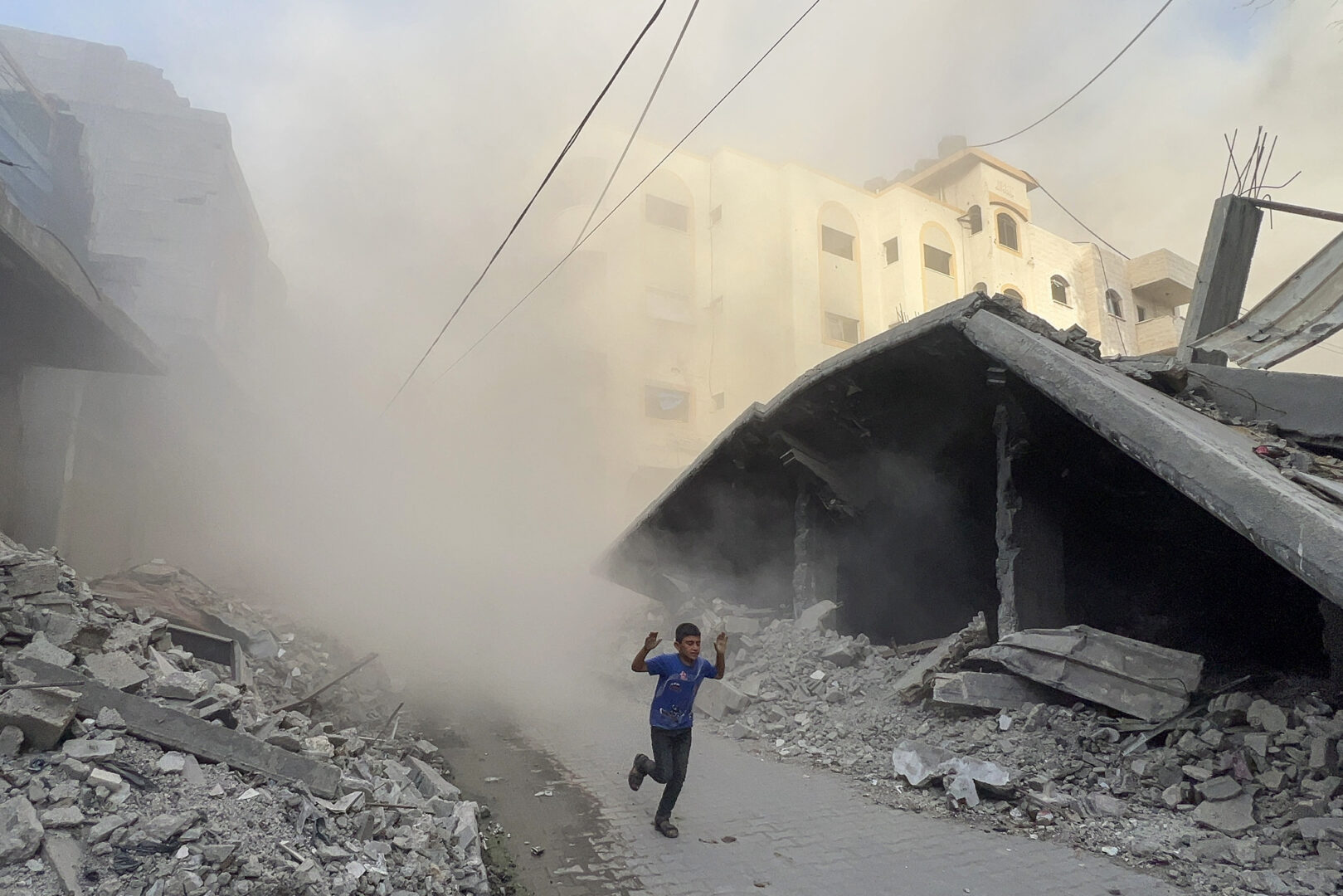
The council’s exchanges on 03/24/2026 underscored an urgent human rights imperative: protect civilians across borders, ensure aid corridors such as Rafah and Kerem Shalom remain open, and make...

U.S. Immigration Policies Harm Pregnant Migrants
ICE’s official policy states that pregnant, postpartum, or nursing women are generally not to be detained for administrative immigration violations unless legally required or under exceptional...


Our Network
Our Channels

© 2026 Al Jazeera Media Network. All rights reserved.