

Fractured Lives
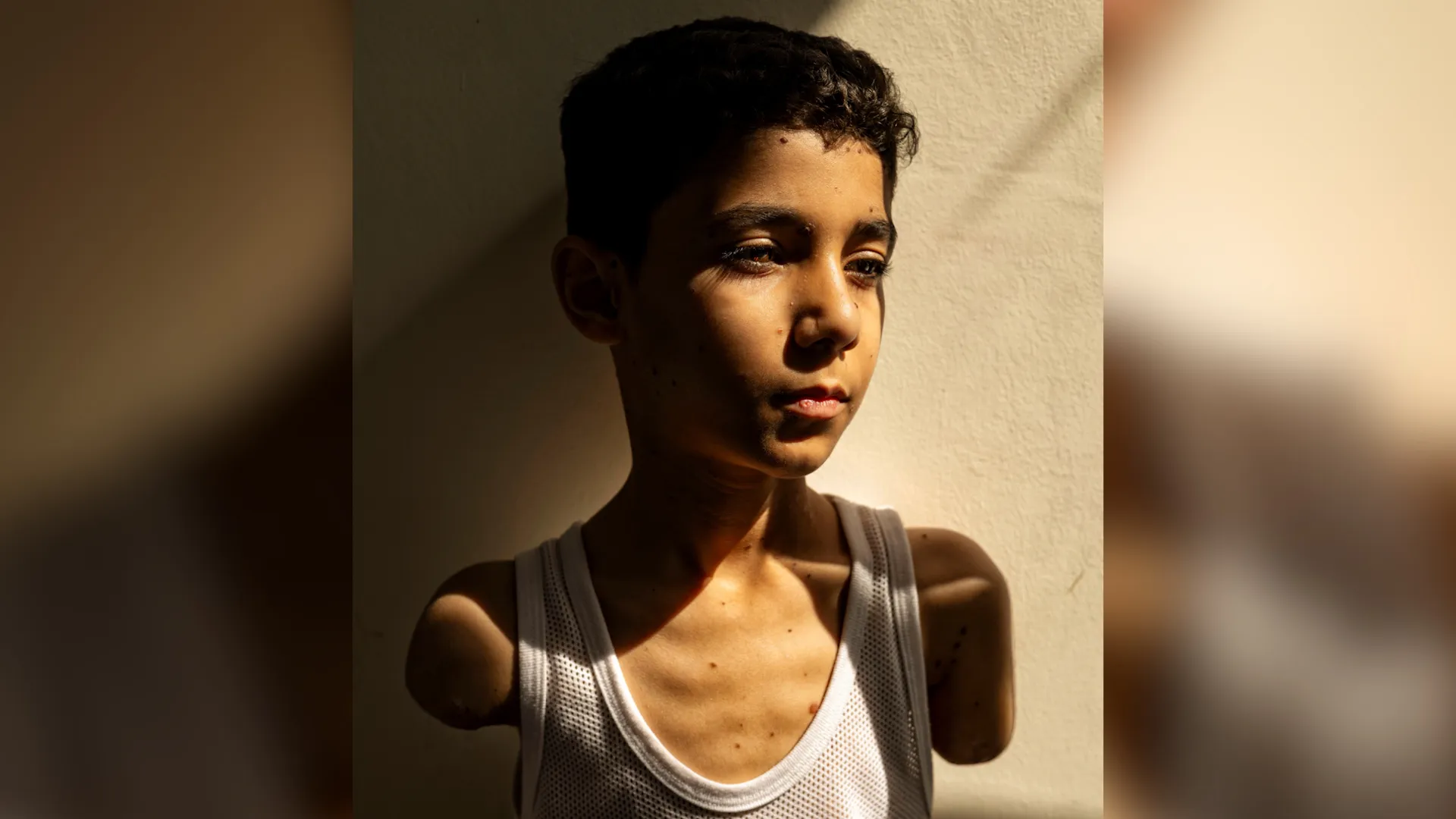
The scale of injury among the civilian population as a whole is even more alarming/Al Jazeera.
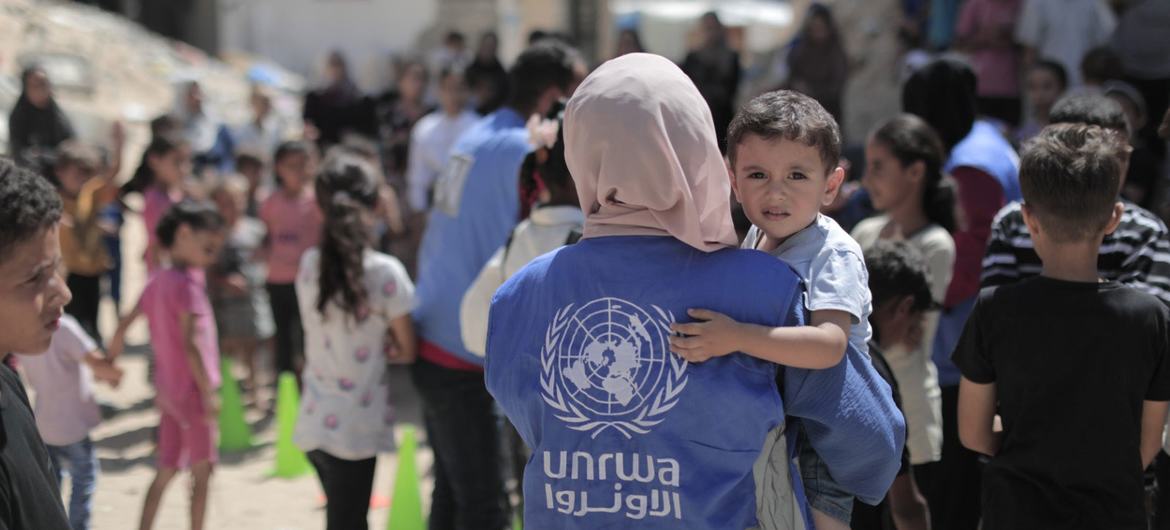
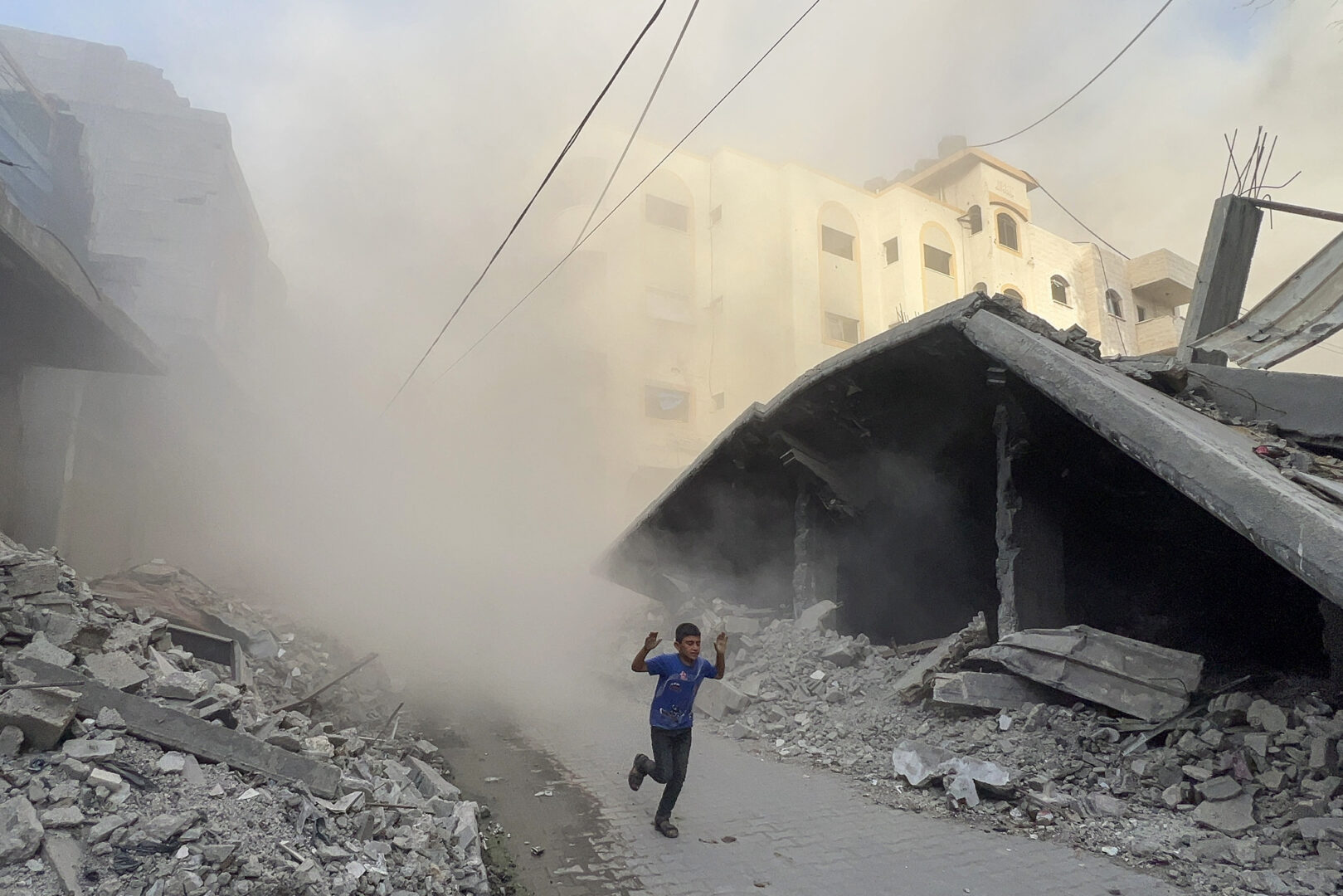
In Gaza, the human cost of the conflict has deepened in ways that often escape immediate notice. According to a United Nations committee specializing in the rights of persons with disabilities, at least 21,000 children have acquired disabilities as a direct consequence of the war. This staggering figure emerges from a broader tally of approximately 40,500 children who have suffered injuries related to the ongoing violence over the past two years, more than half of whom now live with some form of permanent impairment.
The scale of injury among the civilian population as a whole is even more alarming. Over 157,000 people have been wounded since the hostilities began, with a quarter facing the bleak prospect of lifelong disability. Such statistics, while harrowing, only begin to hint at the profound and enduring challenges faced by individuals in Gaza’s devastated communities.
Compounding these difficulties is the widespread loss of vital mobility aids. The UN reports that a staggering 83% of disabled individuals have lost equipment such as wheelchairs, prosthetics, and walking aids—tools crucial for basic autonomy. The prohibitive cost of replacement means that most cannot afford to procure new devices, forcing many to rely on makeshift alternatives or simply to endure greater immobility.
Humanitarian aid, which might otherwise alleviate some of these hardships, has itself been severely curtailed. Distribution points for essential supplies have plummeted from nearly 400 under the United Nations’ previous network to a mere four now run by a foundation supported by the United States and Israel. This dramatic contraction not only restricts access to vital food, water, and medical aid but disproportionately impacts those with disabilities, who face additional barriers to mobility and communication.
Taken together, these figures paint a grim portrait of a conflict whose repercussions extend far beyond the battlefield, shaping the lived realities of Gaza’s most vulnerable children, permanently marked by the violence, denied both the basic means to survive and the dignity of daily life.

Words That Kill …
Officials from the United States, Iran, and Israel are using rhetoric that signals dangerous contempt for the laws of war. The civilians caught in between will pay the price.
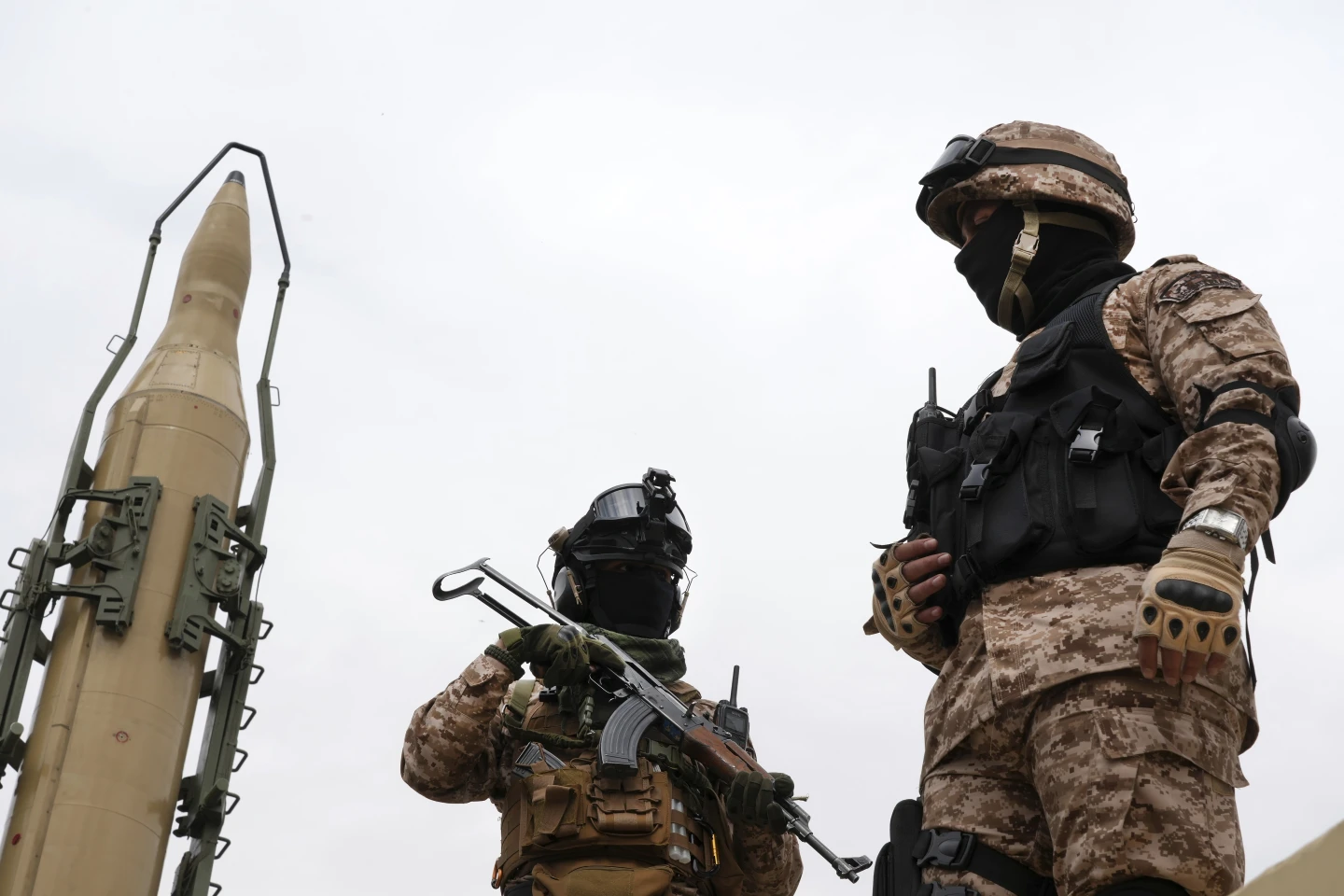
Iran War/Twelve Years Old and Fit for Duty!
Iran’s Revolutionary Guards are recruiting children as young as 12. Under international law, enlisting those under 15 is a war crime.



Our Network
Our Channels

© 2026 Al Jazeera Media Network. All rights reserved.