

Fire and Fallout
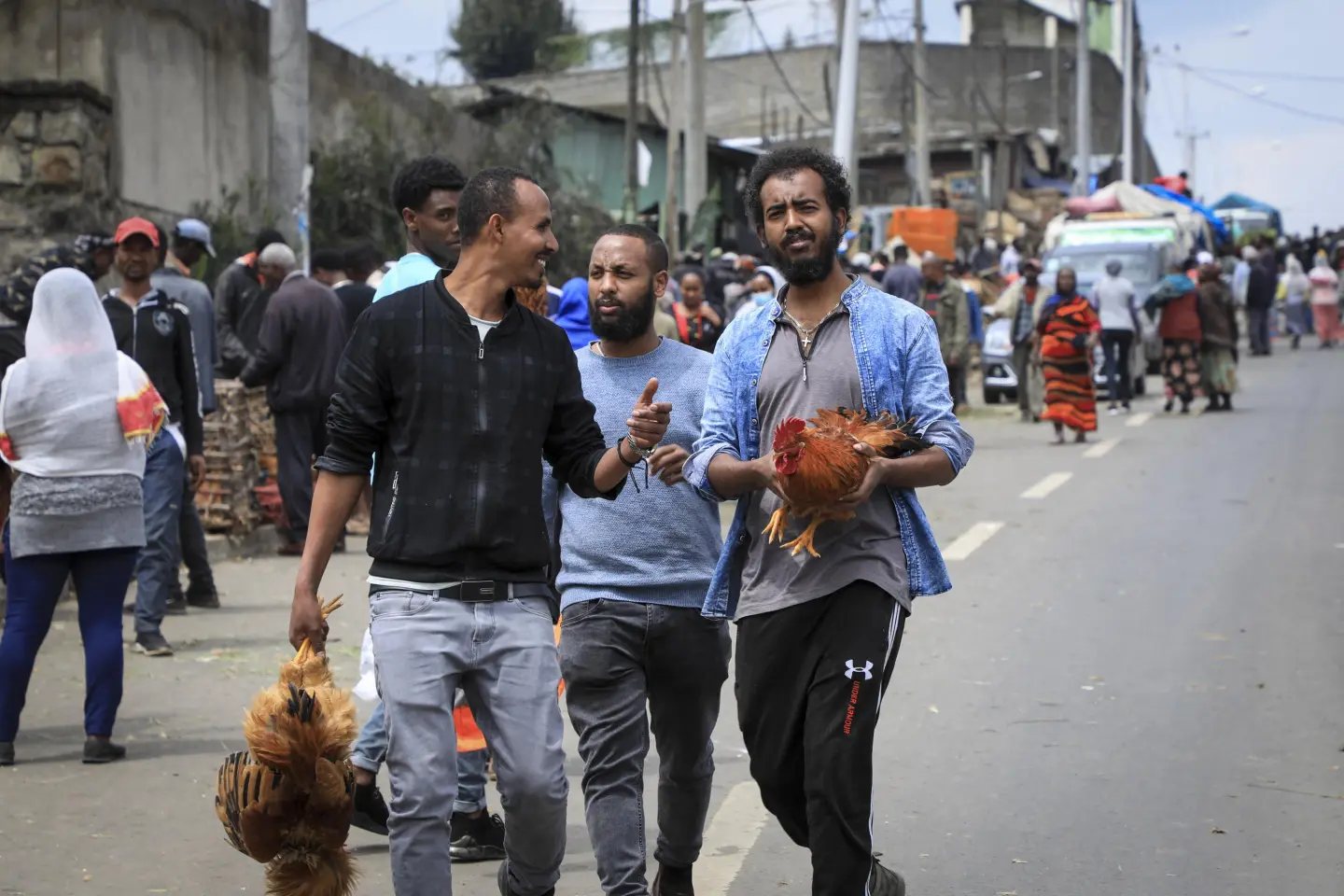
Archive/AP
The tremors of a conflict thousands of kilometres away are being felt in the queues outside Ethiopian petrol stations. As American and Israeli military strikes on Iran enter their second month with no resolution in sight, the economic shockwaves are rippling across the developing world, and few places illustrate this more vividly than Ethiopia.
Iran’s decision to restrict navigation through the Strait of Hormuz, targeting vessels associated with the United States and Israel, has strangled a vital artery of global energy supply. The result is a sharp rise in oil and gas prices that has cascaded into the everyday lives of ordinary Ethiopians, particularly those in Addis Ababa, the capital.
“The prices of goods are going up every day,” says Zeynu Yelma, a shop owner. “If the conflict continues, life will become very hard, especially for people with low incomes.” His observation is not hyperbole. Across the city, the cost of basic commodities has climbed steeply, while long tailbacks of vehicles waiting at fuel stations have become a dispiriting fixture of urban life.
The construction sector has been hit with particular force. Cement prices have nearly doubled in a fortnight. The costs of sand, gravel and steel are rising in tandem, threatening to halt building projects mid-completion. “I’m afraid our work may have to stop,” warns Yetbarek Workenhe, manager of a construction site. Local authorities have attempted to cushion the blow through subsidies and by prioritising public services, but the gap between supply and demand continues to widen. For a country still wrestling with its own internal economic fragilities, the timing could hardly be worse.
Sources World News Exchange (WNE), China Central Television (CCTV), 2026. Spillover effects of Middle East conflict push up prices in Ethiopia. Distributed via Thomson Reuters.
War Without Shelter
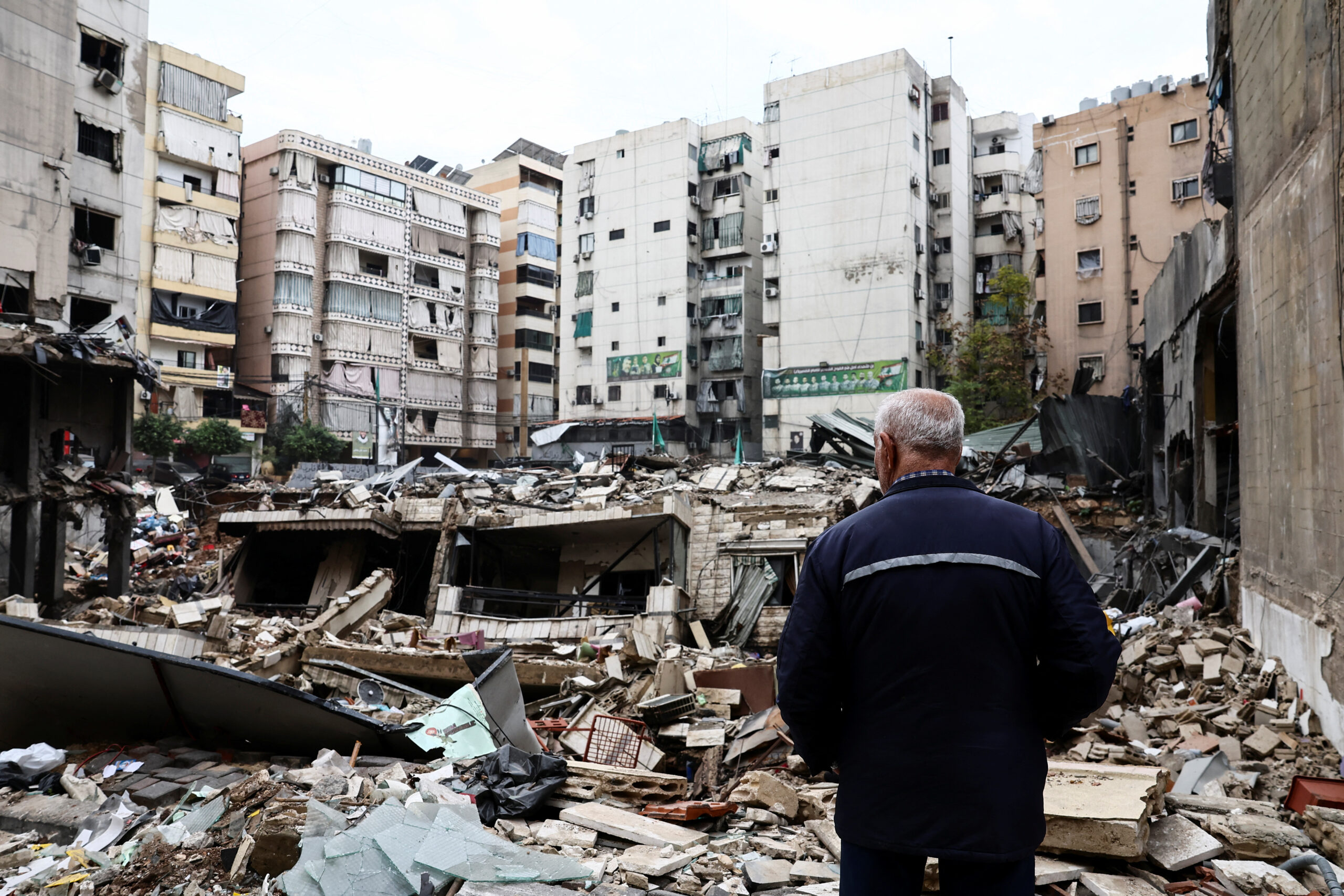
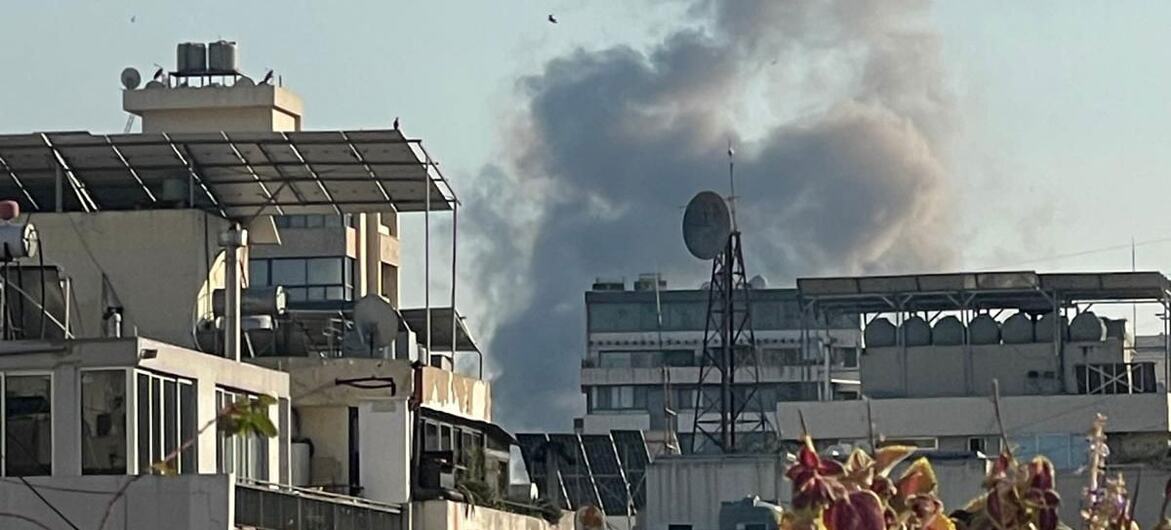
In Lebanon, Israeli strikes on targets linked to Hezbollah have intensified, often with less than an hour’s warning. Bridges destroyed in southern Lebanon have cut off entire districts,...
Palestinians Bid Farewell to Their Loved Ones
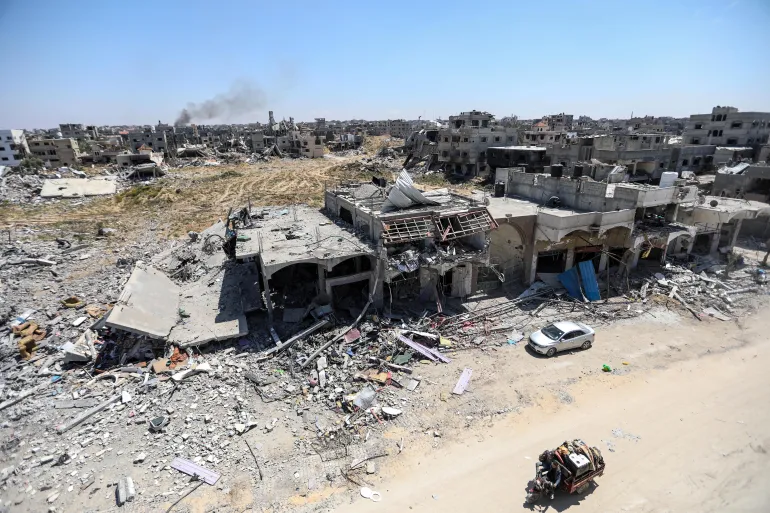
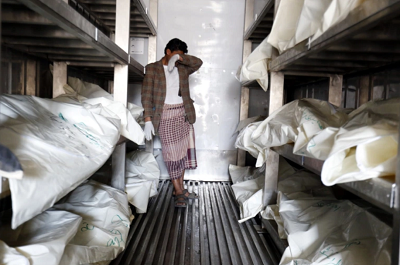
Palestinians bid farewell to their loved ones, who were killed in Israeli strikes in Khan Younis on Sunday (March 29)
A War Spiralling Out of Humanitarian Law Control
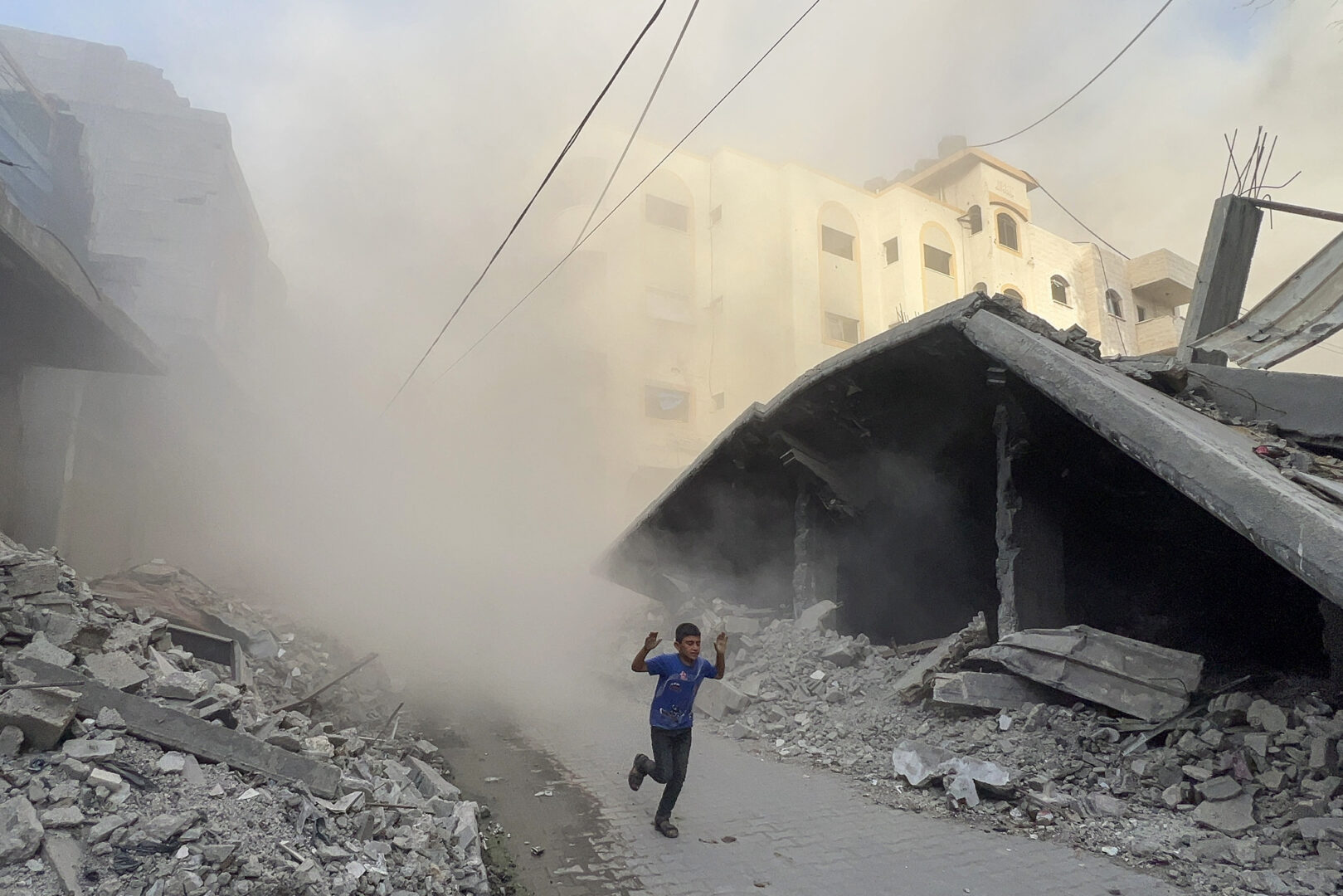
Strikes on Iran by the US and Israel have left more than 82,000 civilian structures damaged or destroyed, according to the Iranian Red Crescent Society.




Our Network
Our Channels

© 2026 Al Jazeera Media Network. All rights reserved.