
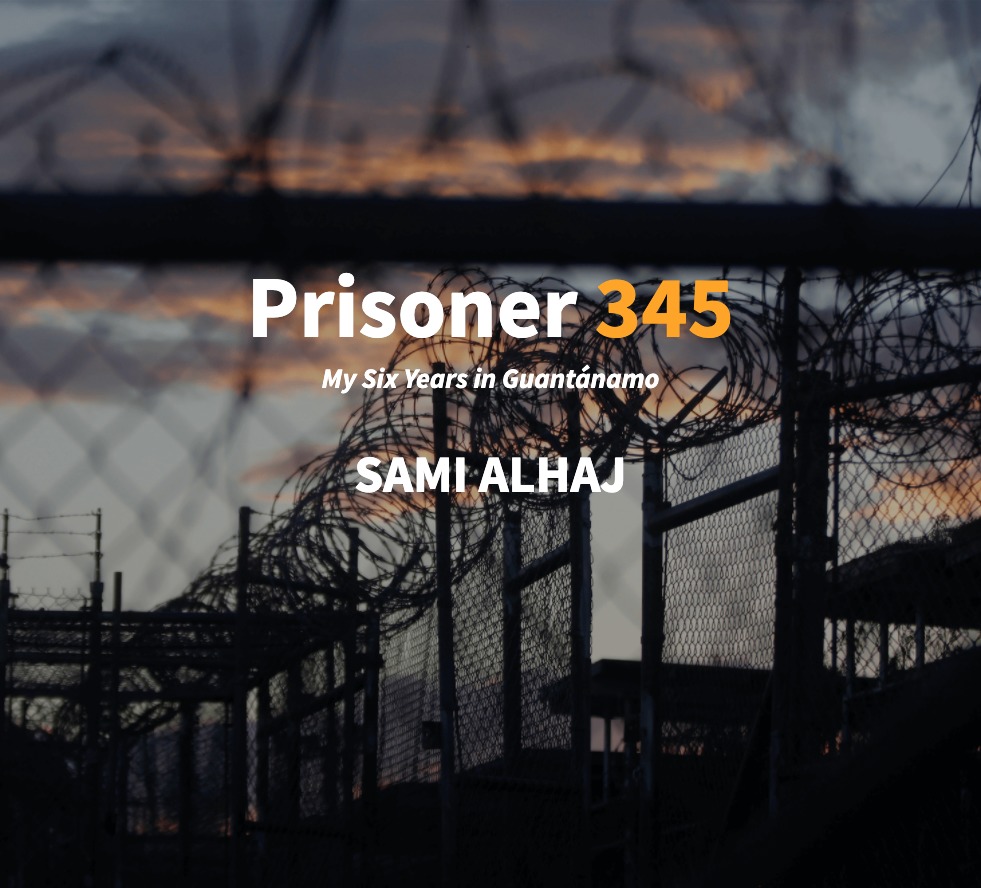



Across Europe, the map of asylum policy is being re-inked quietly in some capitals, noisily in others. London has just tightened its rules yet again, joining a growing club of governments convinced that the post-war humanitarian consensus no longer suits the political age. Migration still shapes elections; politicians, unsurprisingly, are adjusting.
The most contentious battle concerns Europe’s own legal architecture. A handful of governments are urging the EU to revisit how the European Convention on Human Rights is interpreted, frustrated that deportations often falter in Strasbourg’s courtrooms. Their critics bristle: dismantling one of Europe’s foundational safeguards, they warn, is an odd way to prove commitment to liberal values.
Elsewhere, the pattern is one of incremental hardening. Denmark has turned the idea of long-term refuge into a rare exception. Germany is trimming asylum backlogs while easing rules for labour migrants. France tried to push through a muscular immigration law, only for its top court to excise the sharpest clauses. Italy, never shy about outsourcing its problems, is pressing ahead with offshore processing in Albania. The Netherlands debates shrinking residency rights; Sweden, once the most generous of hosts, now offers cash for voluntary return.
Viewed together, the shift is unmistakable. European capitals have tired of managing migration in crisis mode. Instead, they are constructing systems that prize border control above accommodation. Whether such recalibration brings stability—or simply chases voters who want ever-firmer lines—is another question.

Militarized Immigration Enforcement in the USA
The focus is on the intersection of immigration policy and military tactics, highlighting the consequences of this approach and potential alternatives for a more humane and effective...

A Damning Report on UK and France’s Handling of Child Asylum Seekers in the English Channel
The report is replete with heart-wrenching testimonies from children suffering serious chemical burns from dinghy fuel, enduring symptoms of trauma, and tragically, experiencing fatalities due...










Our Network
Our Channels

© 2026 Al Jazeera Media Network. All rights reserved.