

Civilian Rights Under Military Pressure
Archive.
Experts warn that IHL is facing a crisis driven by widespread violations, geopolitical tensions, new technologies like autonomous weapons, and the global erosion of democratic norms, making the enforcement of civilian rights not merely a legal question, but an urgent political and moral one.
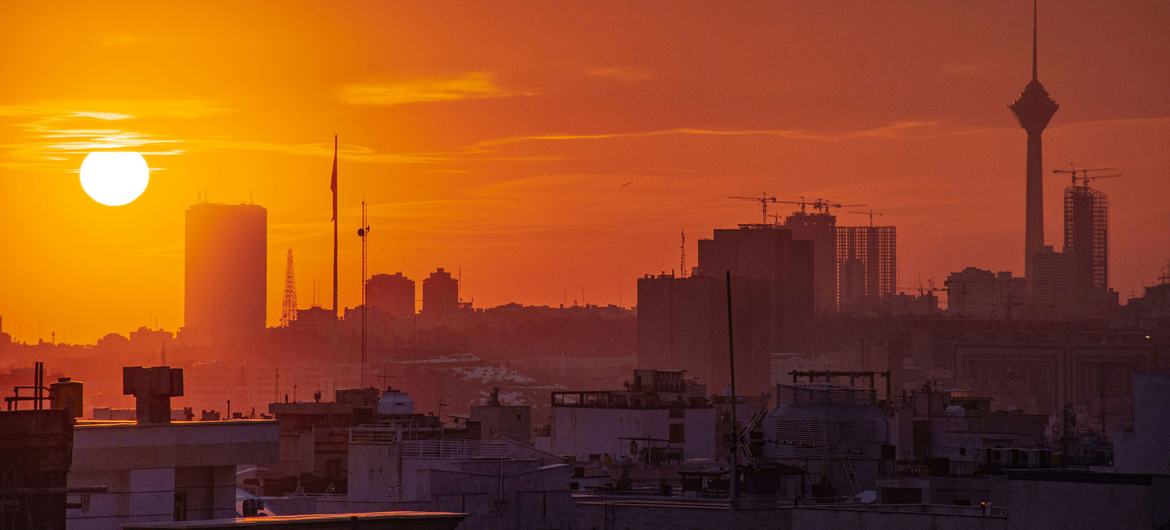
A UN report submitted to the HRC’s 61st session noted that following a new wave of Israeli and US airstrikes on Iran beginning 28 February 2026, the Iranian civilian population is caught between a large-scale military campaign and a government with a long record of gross human rights violations, including a violent crackdown on protests that began in late December 2025. The report also documented cases of individuals executed following trials lasting only minutes, with defendants denied access to legal counsel.
(Source: OHCHR / UN Human Rights Council document A/HRC/61/60, submitted to the 61st session.)
The protection of civilians during armed conflict rests on a century-old body of International Humanitarian Law (IHL), anchored by the Geneva Conventions and the principle of distinction, which requires parties to a conflict to distinguish at all times between civilians and combatants, directing operations only against lawful military objectives. Yet this framework is buckling under the weight of modern warfare.
In 2024, the UN recorded more than 36,000 civilian deaths across 14-armed conflicts, and UN humanitarian chief Thomas Fletcher warned that “the scaffolding built last century to protect us from inhumanity is crumbling.” A 2024 OCHA policy brief identified non-compliance with IHL as a growing challenge, observing that the gap between the normative framework and the realities experienced by civilians has remained, if not widened, over the past five years.
The threat is not confined to active battlefields, from South Korea’s short-lived 2024 martial law declaration to military takeovers in Madagascar and Guinea-Bissau in 2025, civilian governance and constitutional rights have repeatedly been suspended under the justification of military necessity.
(Sources: UN Security Council Press Release SC/16068, May 2025; Security Council Report Monthly Forecast, April 2025; OCHA Policy Brief, February 2024; Al Jazeera, December 2025; American Academy of Arts and Sciences Bulletin, Spring 2025; UN Security Council Report S/2024/385)

Lebanon at a Breaking Point
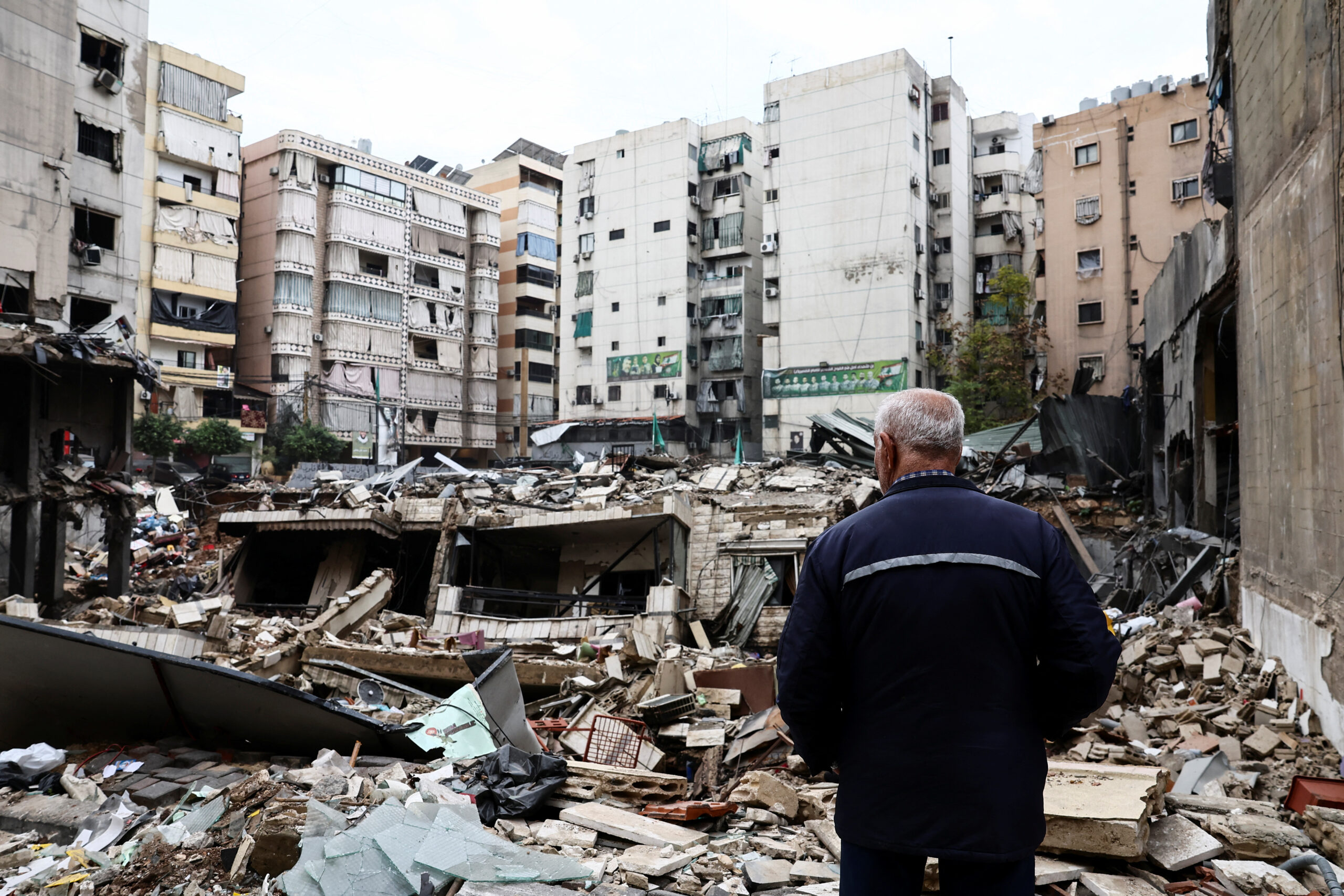
The UN’s most senior humanitarian official has warned the Security Council that Lebanon is staring into an abyss. The country’s crises have a way of outlasting the attention...
Empty Eyes at the School Gate
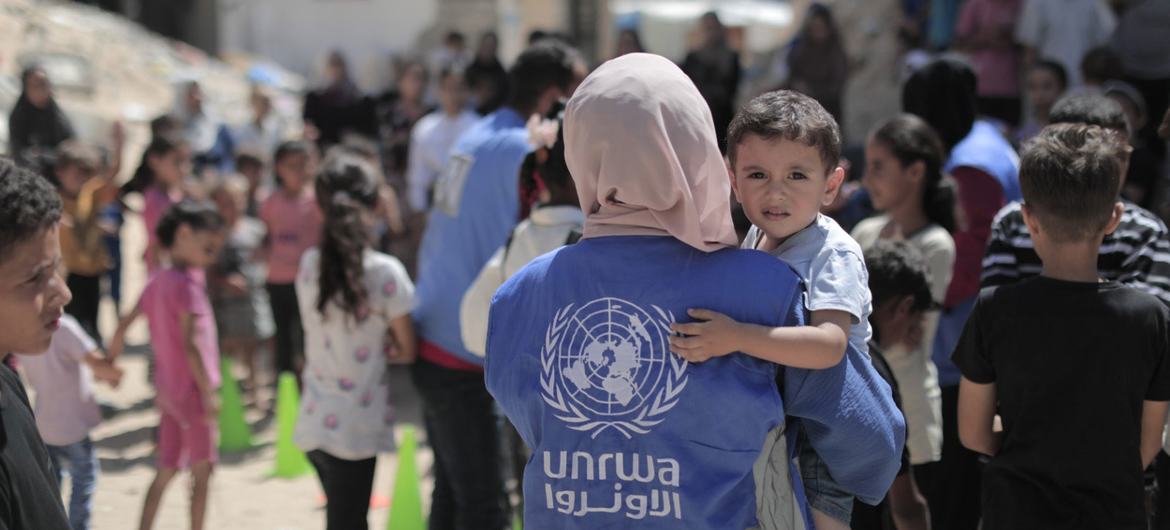
Outgoing UNRWA chief Philippe Lazzarini reflects on two years of atrocity, institutional assault, and the one girl he cannot forget.
- Most Viewed
- Most Popular

Our Network
Our Channels

© 2026 Al Jazeera Media Network. All rights reserved.