

Children and the Missing Treaty on Crimes Against Humanity
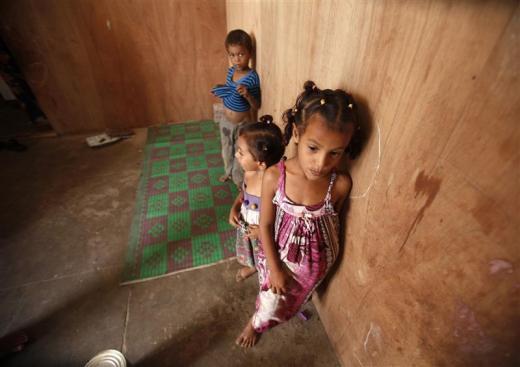
From 19 to 30 January 2026, diplomats will meet at the UN in New York to advance negotiations on a crime against humanity convention.
Children are systematically targeted in crimes against humanity, including murder, rape, torture, enslavement and forced recruitment. Such crimes, defined as widespread or systematic attacks against civilians, often cause deeper and longer lasting harm to children than to adults. Yet unlike genocide and war crimes, there is no dedicated international treaty obliging states to prosecute or extradite perpetrators.
From 19 to 30 January 2026, diplomats will meet at the UN in New York to advance negotiations on a crime against humanity convention. The current draft text refers to children only twice, once in the preamble and once in the definition of enslavement and omits an explicit definition of a child as anyone under 18. It fails to address child specific crimes such as age-based persecution, the use of child soldiers, children born of rape, or the treatment of children accused of crimes.
Experience suggests such omissions matter. International criminal investigations have often taken an adult centric approach, overlooking child specific harms, while reparations programmes frequently exclude minors. These gaps persist despite decades of jurisprudence recognising children’s distinct rights and vulnerabilities.
Thirty-eight organisations and child rights experts have endorsed proposals to ensure children are explicitly protected in any new treaty. These include incorporating child specific crimes into definitions, guaranteeing child sensitive participation and testimony, and providing safeguards for children accused of offences.
Progress in international justice shows such measures are feasible. Without them, a new convention risks replicating old failures. With them, it could mark a significant advance in accountability for crimes that scar children for life.
Empty Eyes at the School Gate
Outgoing UNRWA chief Philippe Lazzarini reflects on two years of atrocity, institutional assault, and the one girl he cannot forget.
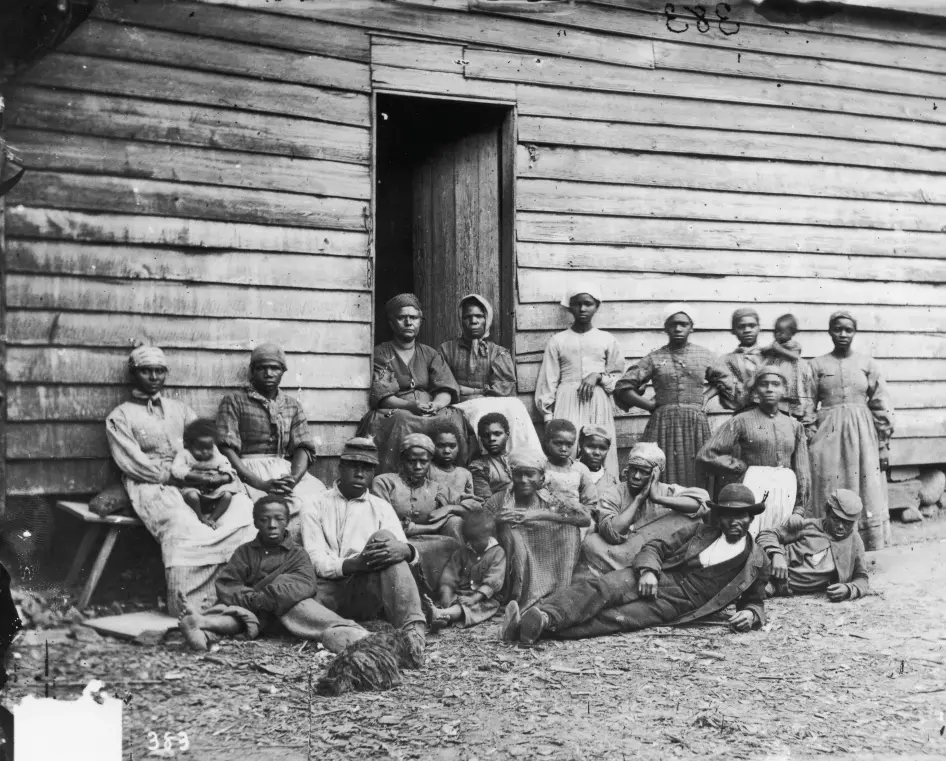
A Debt Long Overdue…
The United Nations passed a landmark resolution on reparatory justice for the transatlantic slave trade. The global North walked away.





Our Network
Our Channels

© 2026 Al Jazeera Media Network. All rights reserved.