

CEDAW at 45, A Treaty Tested and Still Transformative
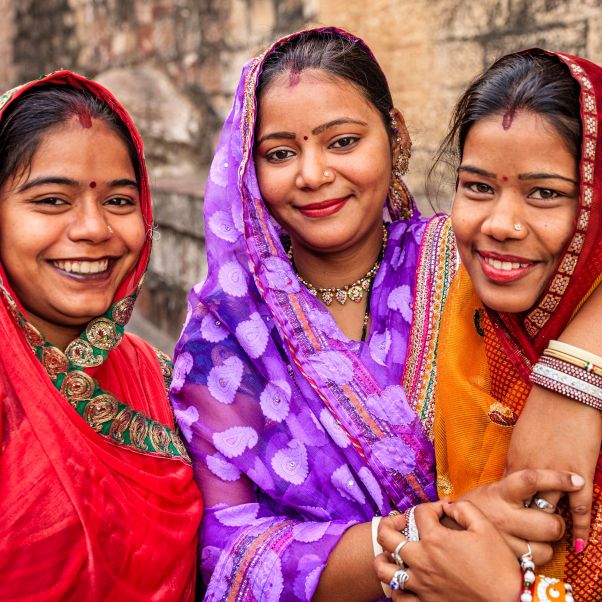
Human rights groups urge pairing legal reforms with budgetary commitments and independent monitoring if CEDAW is to remain a bulwark for women’s rights in an era of geopolitical strain.
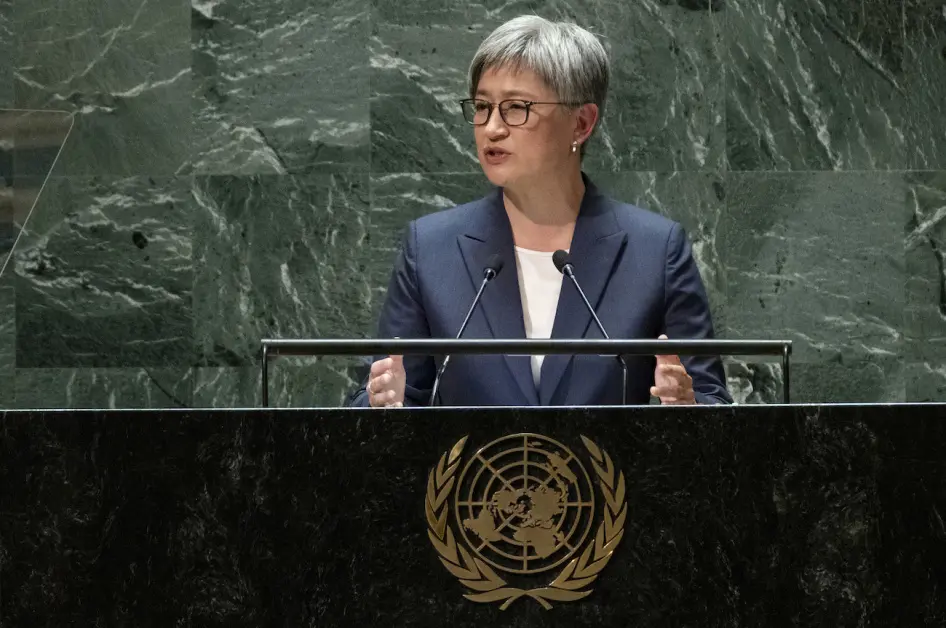
For 45 years the Convention on the Elimination of All Forms of Discrimination against Women (CEDAW) has been the axis around which domestic law reform, regional jurisprudence and transnational advocacy rotate. Adopted in 1979 and entering into force in 1981, CEDAW provided a rights-based grammar that moved the debate from formal equality to substantive measures, obliging States to remove laws and practices that entrench gendered disadvantage.
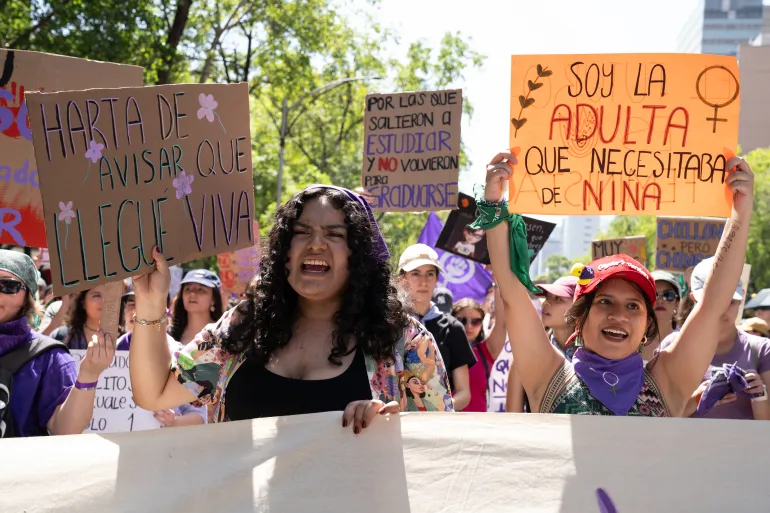
Its committee has steered progress on issues from marital rape and reproductive rights to workplace discrimination and gender-based violence, while its general recommendations have given flesh to otherwise abstract obligations.
That said, the treaty’s reach varies. Ratification is widespread, but compliance is uneven, and backlash politics, shrinking civic space and underfunded national mechanisms have hollowed implementation in many regions. The Committee’s 45th anniversary commemoration in Geneva on 19 February 2026 sought to renew political will and spotlight persistent gaps.
(UN CEDAW Committee, statement, 19 February 2026). Human rights groups urge pairing legal reforms with budgetary commitments and independent monitoring if CEDAW is to remain a bulwark for women’s rights in an era of geopolitical strain.
Sources, UN CEDAW Committee statement, 19 February 2026.
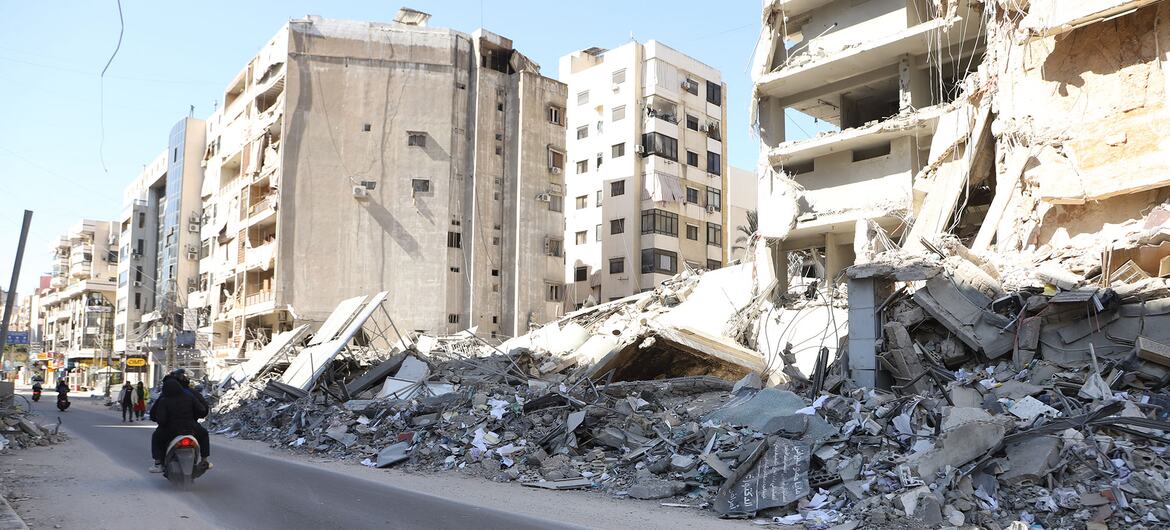
Dismantling the Rules That Protect Human Life in the Middle East Conflict
HRW calls on world leaders to invoke their obligations under Common Article 1 of the 1949 Geneva Conventions to actively pressure all parties to respect international humanitarian law, condemn...
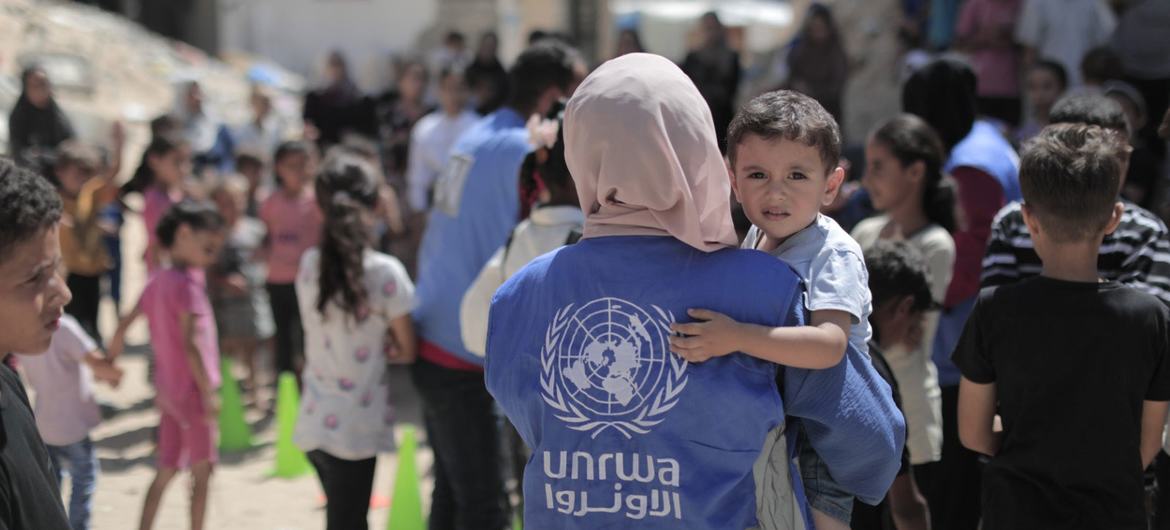
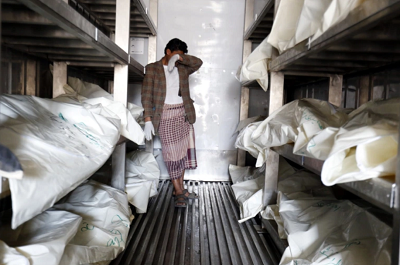
Hostages to Conflict: UN Staff in Detention
The sharpest concentration is in Yemen, where 73 UN staff remain in the custody of de facto Houthi authorities, some for as long as five years. The UN Human Rights chief, Volker Türk, described...

The Middle East and the Laws of War
Human Rights Watch called on all states, including allies of the warring parties, to invoke their obligations under Common Article 1 of the Geneva Conventions and press for civilian protection...

- Most Viewed
- Most Popular








Our Network
Our Channels

© 2026 Al Jazeera Media Network. All rights reserved.