

Canberra’s Quiet Test in Vientiane
Australia’s diplomats, usually cautious, face an awkward conversation in Vientiane this month. The ninth iteration of the Australia–Laos Human Rights Dialogue lands amid rising concern that the Lao state has turned enforced disappearance and cross-border intimidation into routine tools of governance.
Laos denies everything, as it always has. Yet the most emblematic case, the disappearance in 2012 of Sombath Somphone, a respected civil-society figure, has never been credibly addressed. Thirteen years on, the government still offers only evasions. Sombath’s wife continues to hold aloft his photograph, a quiet indictment of a country where uncomfortable truths vanish as readily as people.
Human Rights Watch has urged Canberra to be unusually direct: demand investigations into disappearances, challenge the practice of “swap-mart” arrangements with neighbours, and press Laos to ratify the treaty banning enforced disappearance that it signed but never ratified. These quid-pro-quo deals, in which Laos and its neighbours return fugitives to one another, may suit illiberal governments but violate almost every norm that Australia claims to defend.
The region has seen its share of such bargains. Dissidents from Thailand who sought refuge in Laos discovered that its borders are permeable in all the wrong ways; Lao critics hiding in Thailand faced similar risks. The message is meant to be unmistakable: no exile is far enough.
For Australia, the dialogue is less about lecturing than signalling thresholds. Canberra has expanded its engagement with Southeast Asia, promising development money, climate support, training programmes and security co-operation. But every such partnership also tests whether rights matter once the trade-offs begin. If Australia wants its human-rights rhetoric to be something more than an accessory to diplomacy, Vientiane will be a useful place to prove it.
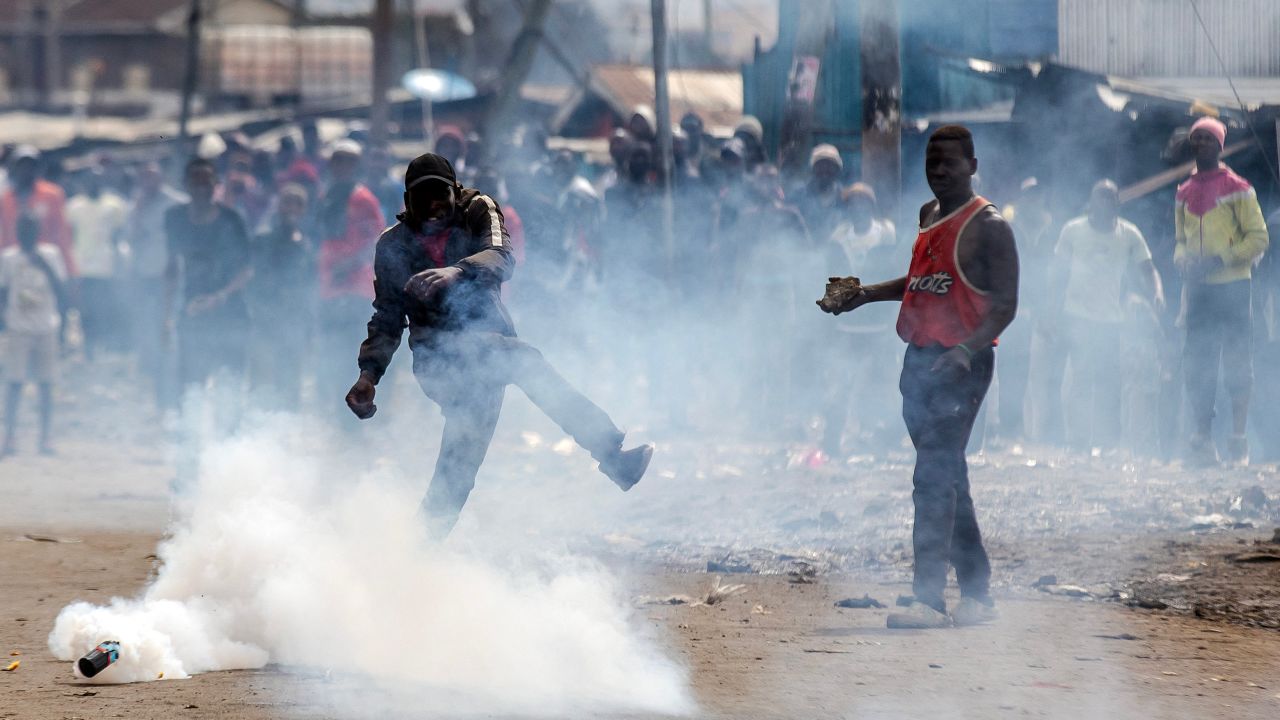
Kenya/Dozens are abducted or missing
Protesters and rights groups blame state security agencies for the extrajudicial arrests – a claim denied by both President William Ruto and Kenya’s interior minister.

schoolchildren kidnapping/Nigeria.
No group has claimed responsibility, but locals blame bandits who often carry out mass killings, and abductions for ransom.

- Most Viewed
- Most Popular





Our Network
Our Channels

© 2025 Al Jazeera Media Network. All rights reserved.