

Britain’s Quiet Retreat from Atrocity Prevention in Sudan
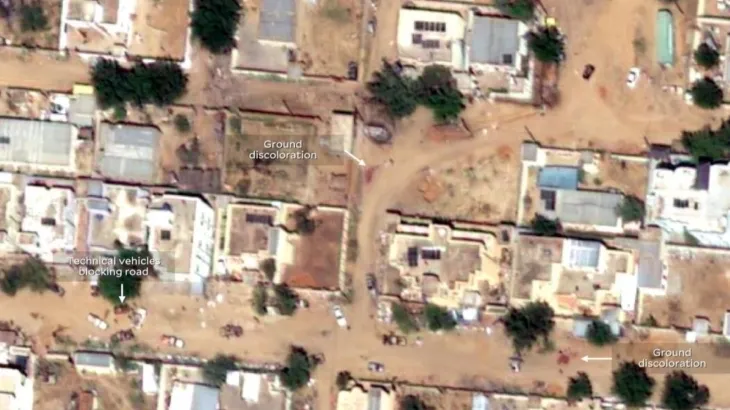
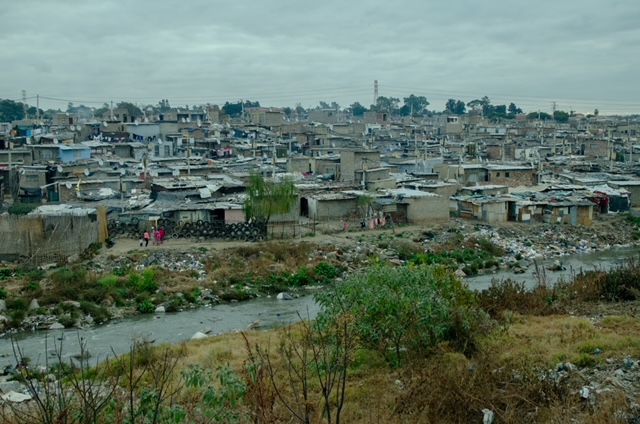
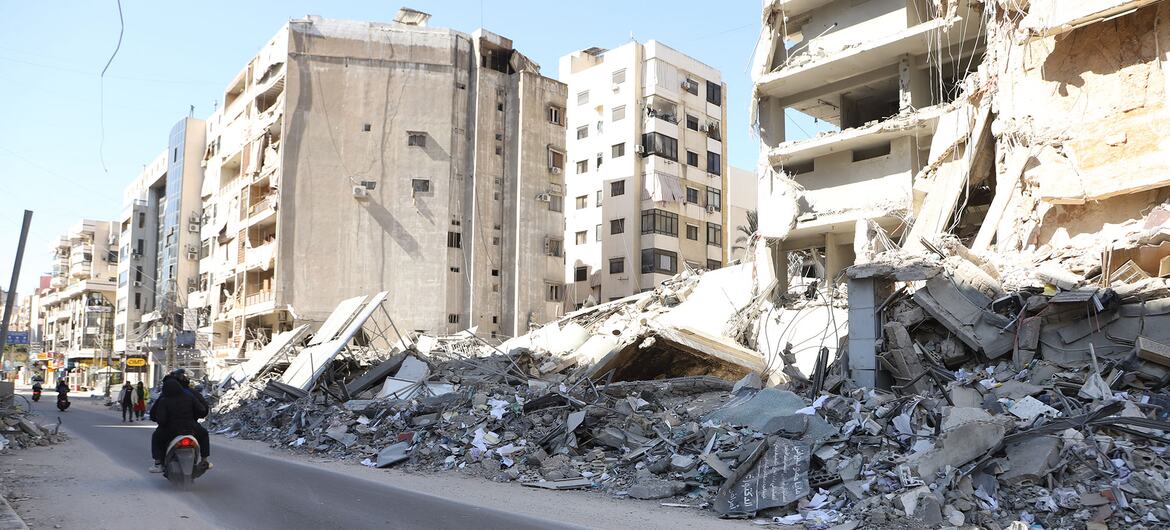
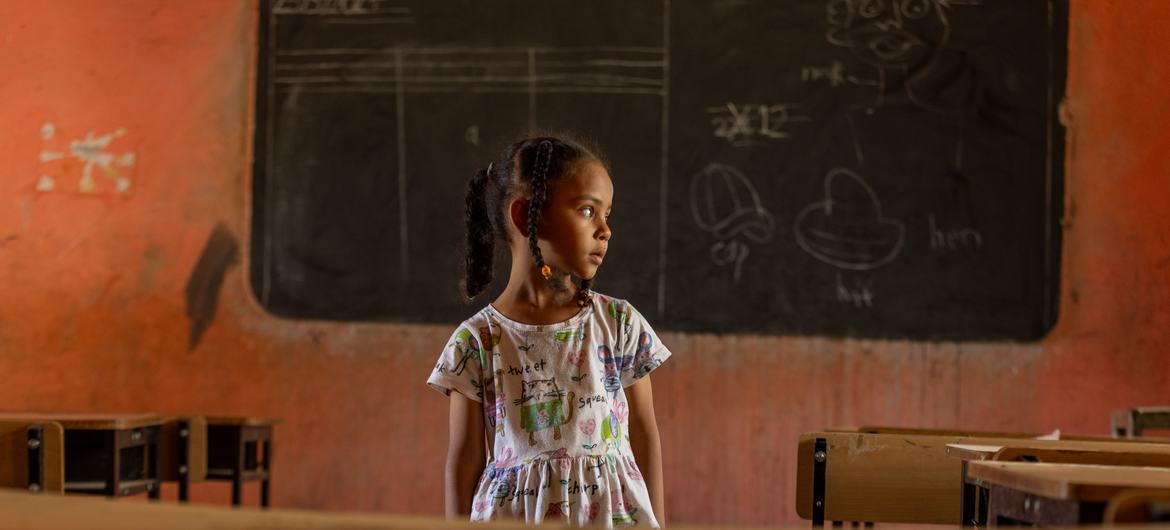
An image showing parts of El Fasher.
When El Fasher fell, it was not for lack of warning.
Long before the Sudanese city was overrun by the Rapid Support Forces (RSF), British officials had received detailed intelligence predicting its collapse and the wave of killings, rapes, and displacement that would follow.
Yet Whitehall chose caution over action.
An internal government paper, seen by The Guardian, shows that the Foreign, Commonwealth and Development Office (FCDO) declined to implement robust atrocity prevention measures, opting instead for what civil servants themselves called the “least ambitious” of four options.
The decision was made halfway through the RSF’s 18-month siege of the city, when reports of mass atrocities were already mounting.
The rejected proposals had included an international civilian protection mechanism designed to deter war crimes and sexual violence.
Officials instead approved a modest £10m top-up to existing humanitarian programmes, largely through the International Committee of the Red Cross.
The justification, recorded in an October 2025 document, was blunt: “Given resource constraints, [the UK] has opted to take the least ambitious approach to the prevention of atrocities.”
The consequences were swift and brutal.
In the weeks after El Fasher’s fall, satellite images showed entire neighbourhoods in flames.
Thousands were killed or disappeared, and countless women were subjected to sexual violence.
For human-rights observers, the catastrophe underscored what they see as Britain’s moral retreat.
“Atrocities are not acts of nature; they are political failures,” said Shayna Lewis of Paema, a US-based advocacy group.
“By choosing inaction, the UK has made itself complicit.”
Britain’s stance matters beyond symbolism.
As the “penholder” for Sudan at the UN Security Council, London shapes much of the council’s response to the war, now one of the world’s worst humanitarian crises.
A review by Liz Ditchburn of the Independent Commission for Aid Impact (ICAI) found that cuts in aid budgets and staff shortages had left the FCDO “without the capacity to take on a complex new programme”.
That bureaucratic shortfall, the report added, crippled efforts to protect women and girls, even as evidence of mass sexual violence mounted.
In Westminster, frustration is growing.
Sarah Champion, who chairs Parliament’s International Development Committee, called atrocity prevention “a basic duty of foreign policy”.
Instead, she said, “It is treated as an optional extra, something nice to have when the money allows.”
With Britain’s development budgets shrinking, she warned, “short-term savings come at a devastating human cost.”
Officials in London reject the accusation of indifference.
They point to more than £120m in humanitarian aid for Sudan this year and insist the UK is leading international efforts to hold RSF commanders accountable for war crimes.
Diplomatically, Britain has also used its seat at the Security Council to press for accountability.
But in Darfur’s scorched towns, such arguments carry little weight.
The violence that swept through El Fasher has left tens of thousands, dead or displaced, while those who survive speak of betrayal.
Britain’s failure was not one of ignorance; it was one of choice.
And in Sudan, that choice has been written in blood.
The above summary is based on reporting by The Guardian.

Words That Kill …
Officials from the United States, Iran, and Israel are using rhetoric that signals dangerous contempt for the laws of war. The civilians caught in between will pay the price.
Iran War/Twelve Years Old and Fit for Duty!
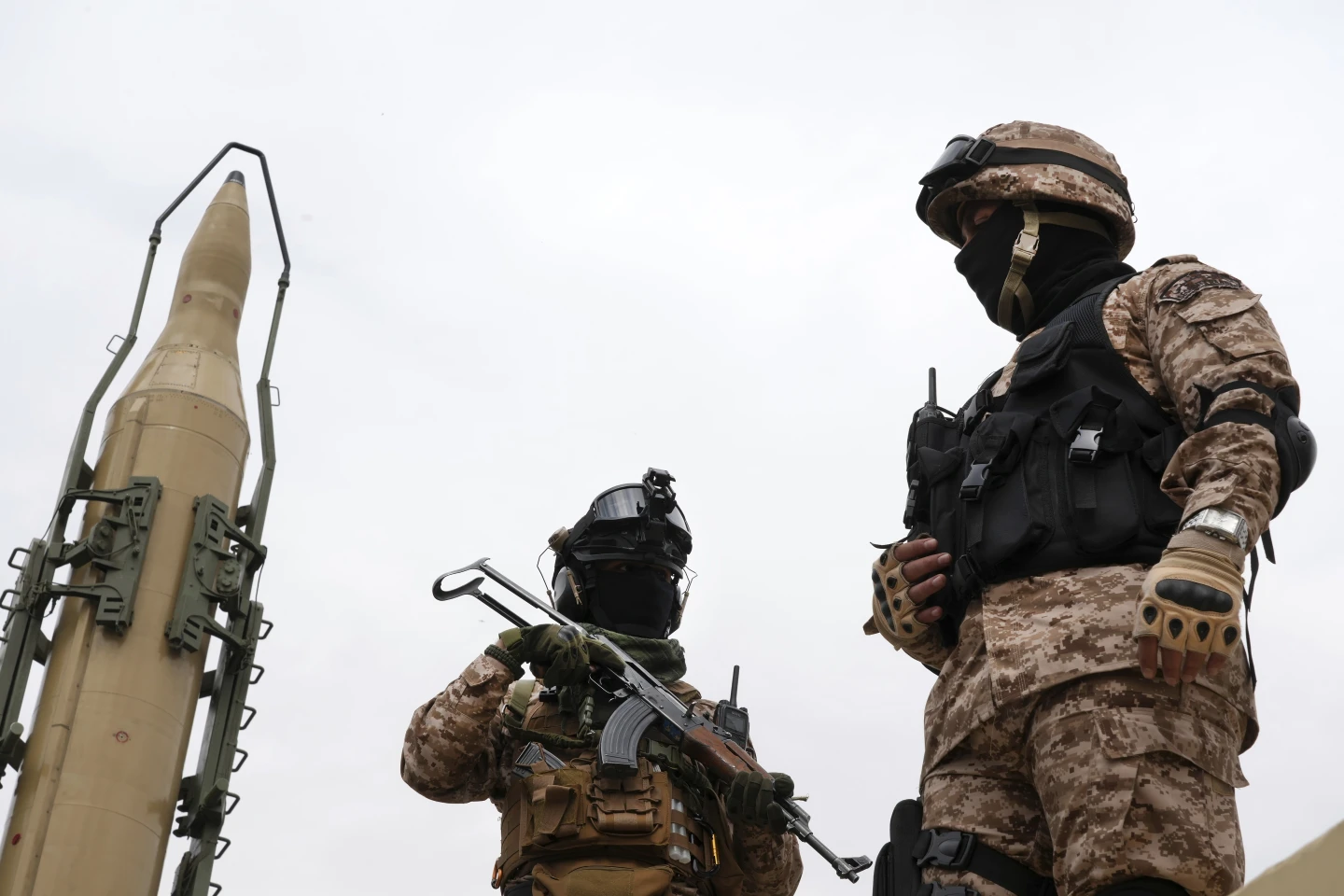
Iran’s Revolutionary Guards are recruiting children as young as 12. Under international law, enlisting those under 15 is a war crime.

Our Network
Our Channels

© 2026 Al Jazeera Media Network. All rights reserved.