

Bombs, Rubble and Rising Humanitarian Need

Archive/ Al Jazeera.
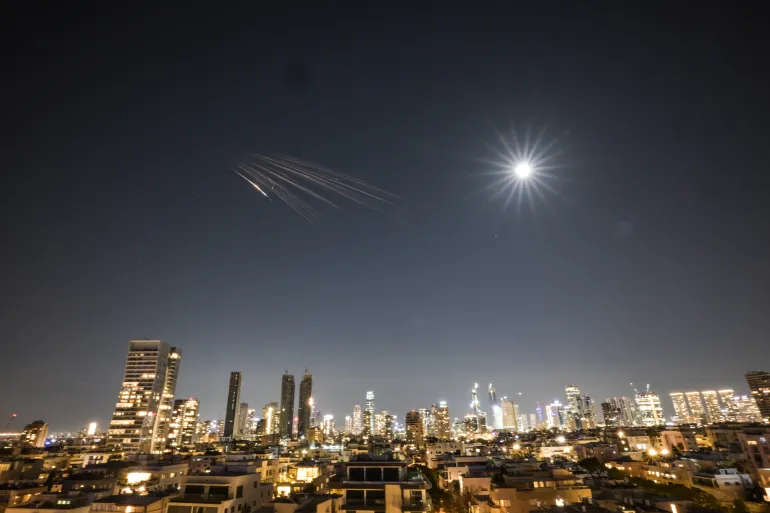
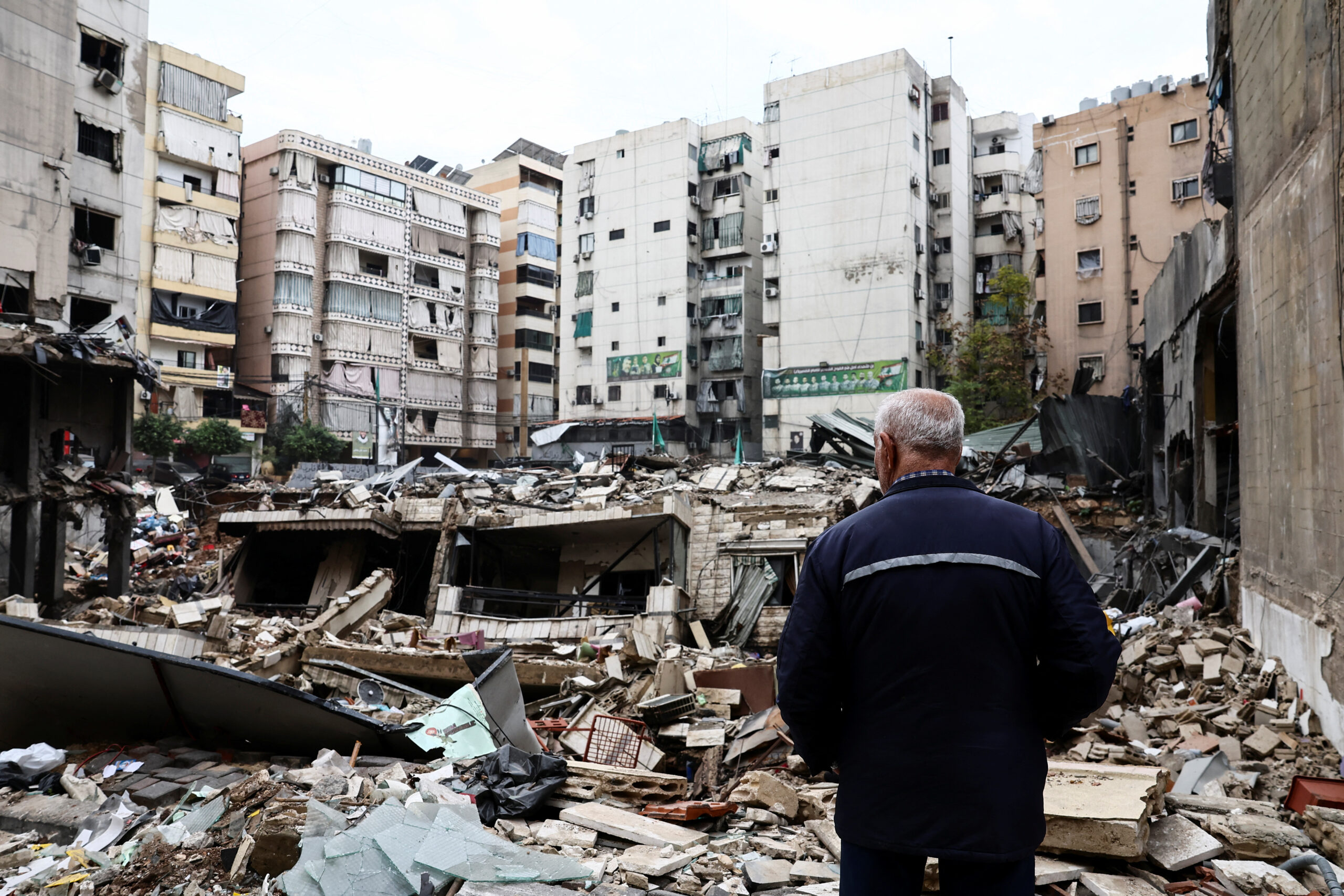
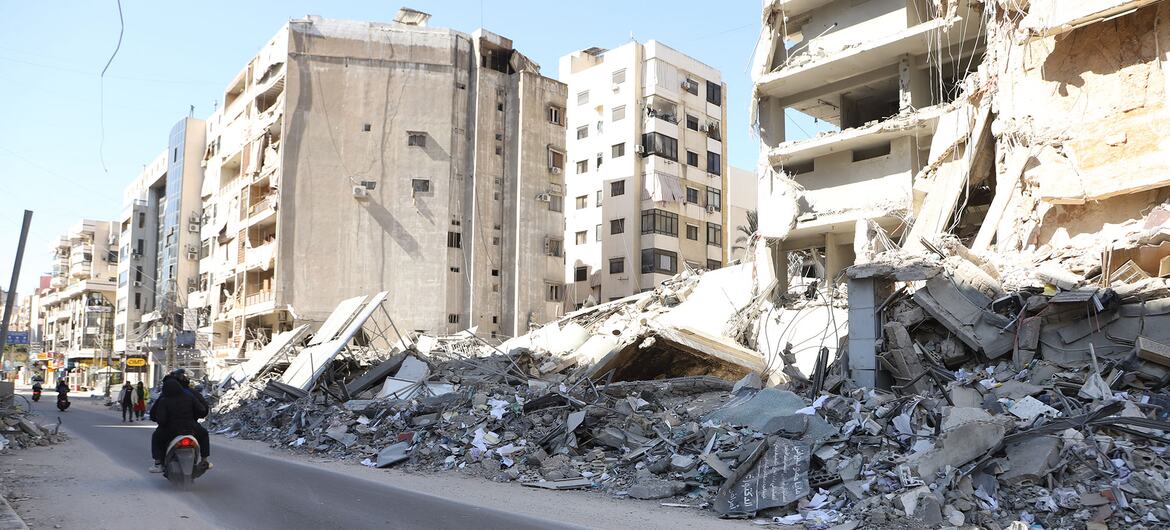
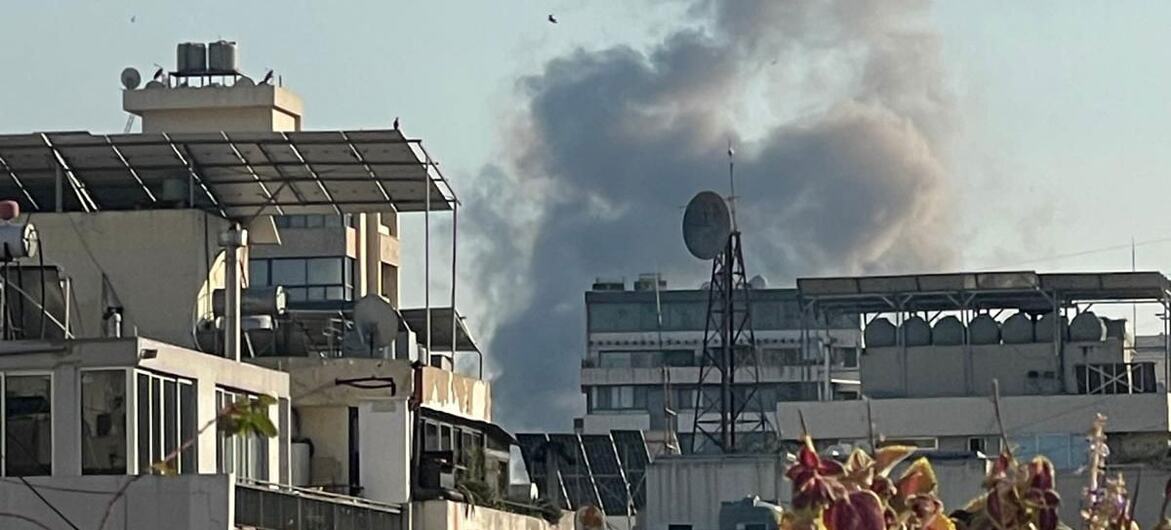
War has a way of outlasting the optimism that once surrounded ceasefire negotiations, and the Middle East is offering a grim reminder of that fact. Strikes and counterstrikes have persisted across the region into the second month of the latest escalation, with dozens of casualties reported over a single weekend in Lebanon following Israeli air raids targeting the south of the country and the capital, Beirut. The Bashura neighbourhood, a residential quarter of the city, bore some of the latest destruction.
The immediate human cost is severe. Hospitals are strained, displacement is widespread, and the corridors through which aid organisations attempt to move supplies have narrowed considerably. The United Nations, whose agencies operate across Lebanon, Gaza and neighbouring states, warns that humanitarian needs are rising faster than the international community’s capacity — or apparent willingness — to meet them.
“Critical infrastructure remains under strain, and the wider economic and global impacts of the crisis continue to unfold.”
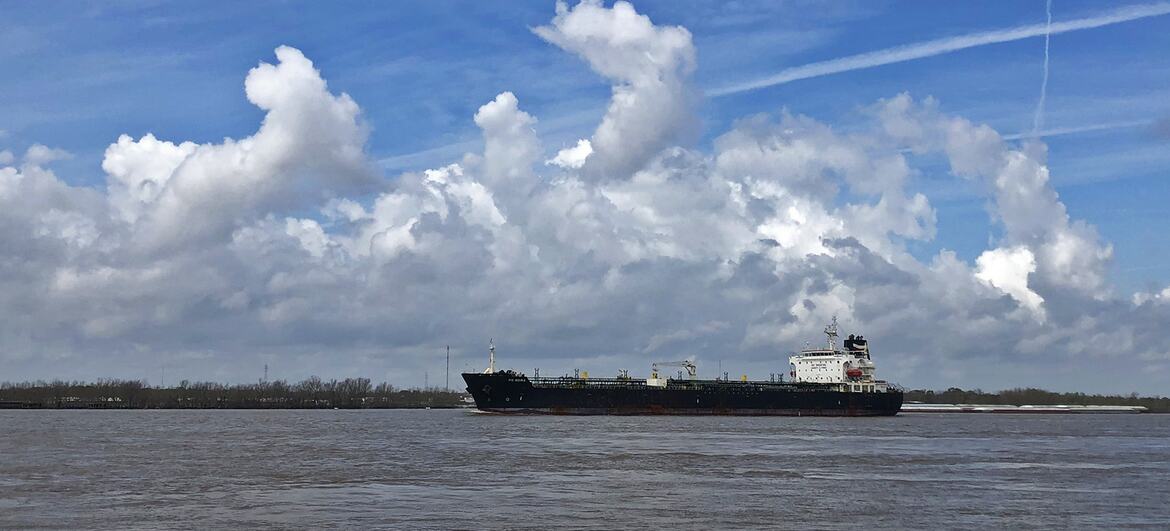
Beyond the immediate theatre of conflict, the economic reverberations are being felt well beyond the region’s borders. Energy markets have grown skittish; shipping routes through the eastern Mediterranean face disruption; and the diplomatic architecture that was supposed to constrain such escalations has proved, once again, to be inadequate to the task.
None of this is entirely new. What distinguishes the present moment is the combination of intensity and duration. A conflict that many analysts assumed would be short-lived has instead settled into something more protracted, with no obvious off-ramp in sight. The UN system is monitoring developments in real time; what it cannot yet supply is an end to them.
Source: UN OCHA Middle East Live Updates, 6 April 2026
Nuclear Roulette
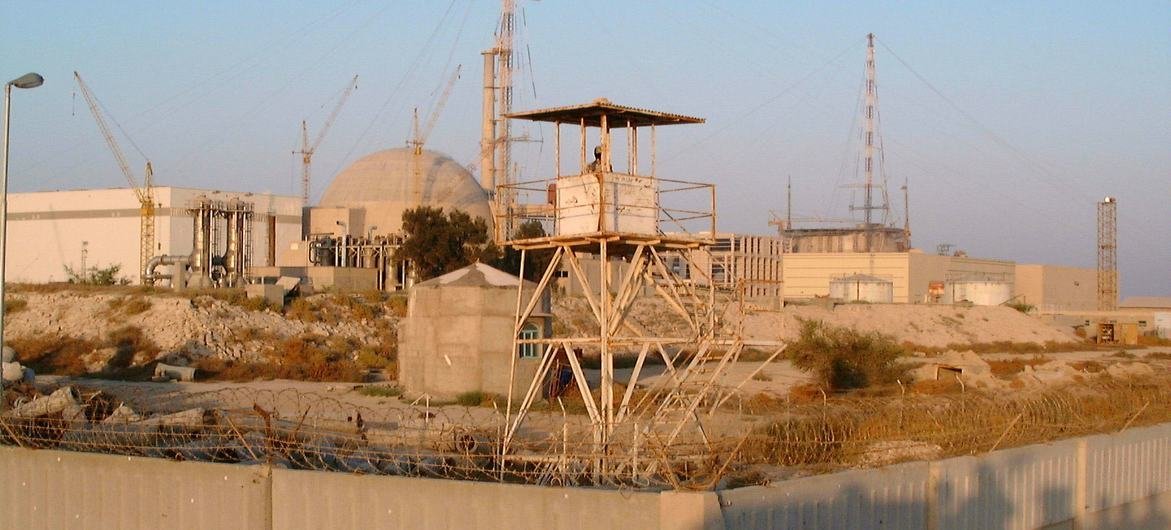
The implications extend beyond Iran. As Grossi reminded IAEA board members in Vienna, many countries in the region that have come under military attack operate nuclear power plants and research...
Civilian Rights Under Military Pressure
The protection of civilians during armed conflict rests on a century-old body of International Humanitarian Law (IHL), anchored by the Geneva Conventions and the principle of distinction, which...


Our Network
Our Channels

© 2026 Al Jazeera Media Network. All rights reserved.