

Bearing Witness in Gaza
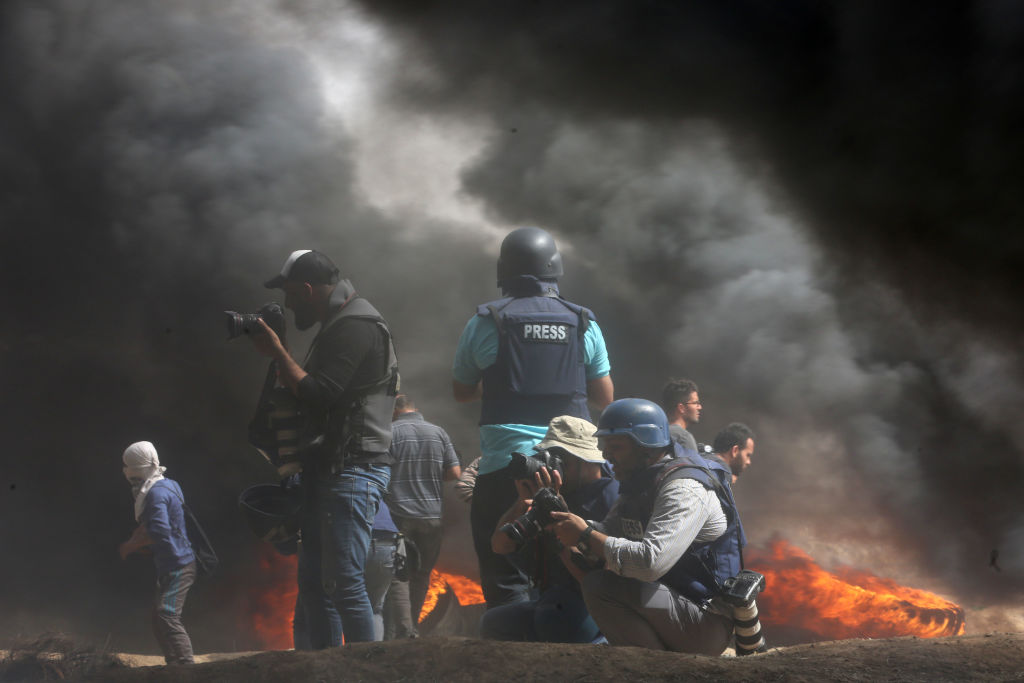
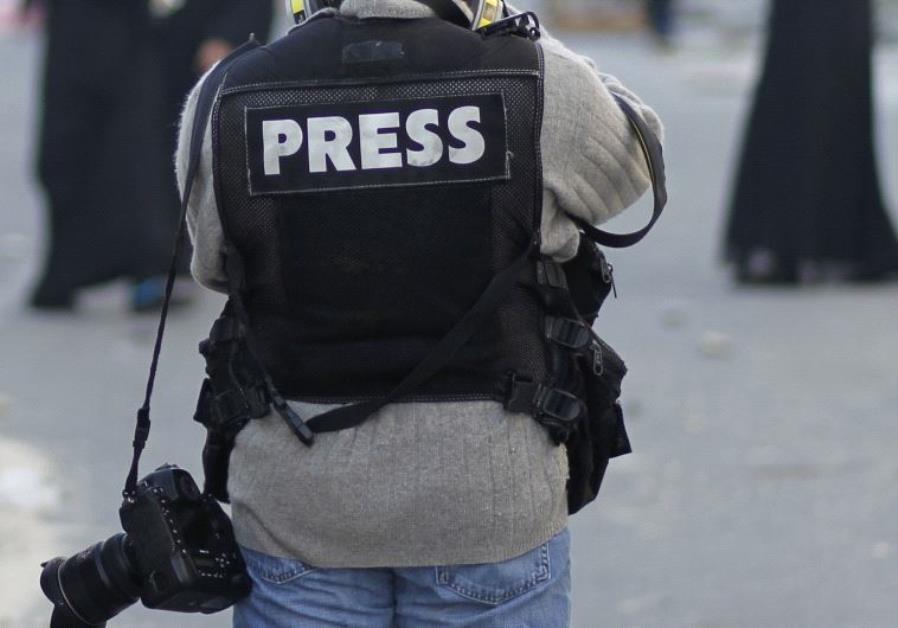
Archival image/Al Jazeera/Article by Mohamed Sulieman Elfaki Al Shazly
The second day of the IPI Congress turned its gaze towards one of journalism’s darkest frontiers: the struggle to report from places where truth-telling is a mortal risk. Under the theme of reporting in lethal environments, participants examined what it means to work in regions where journalists are not only silenced but often killed for doing their jobs.
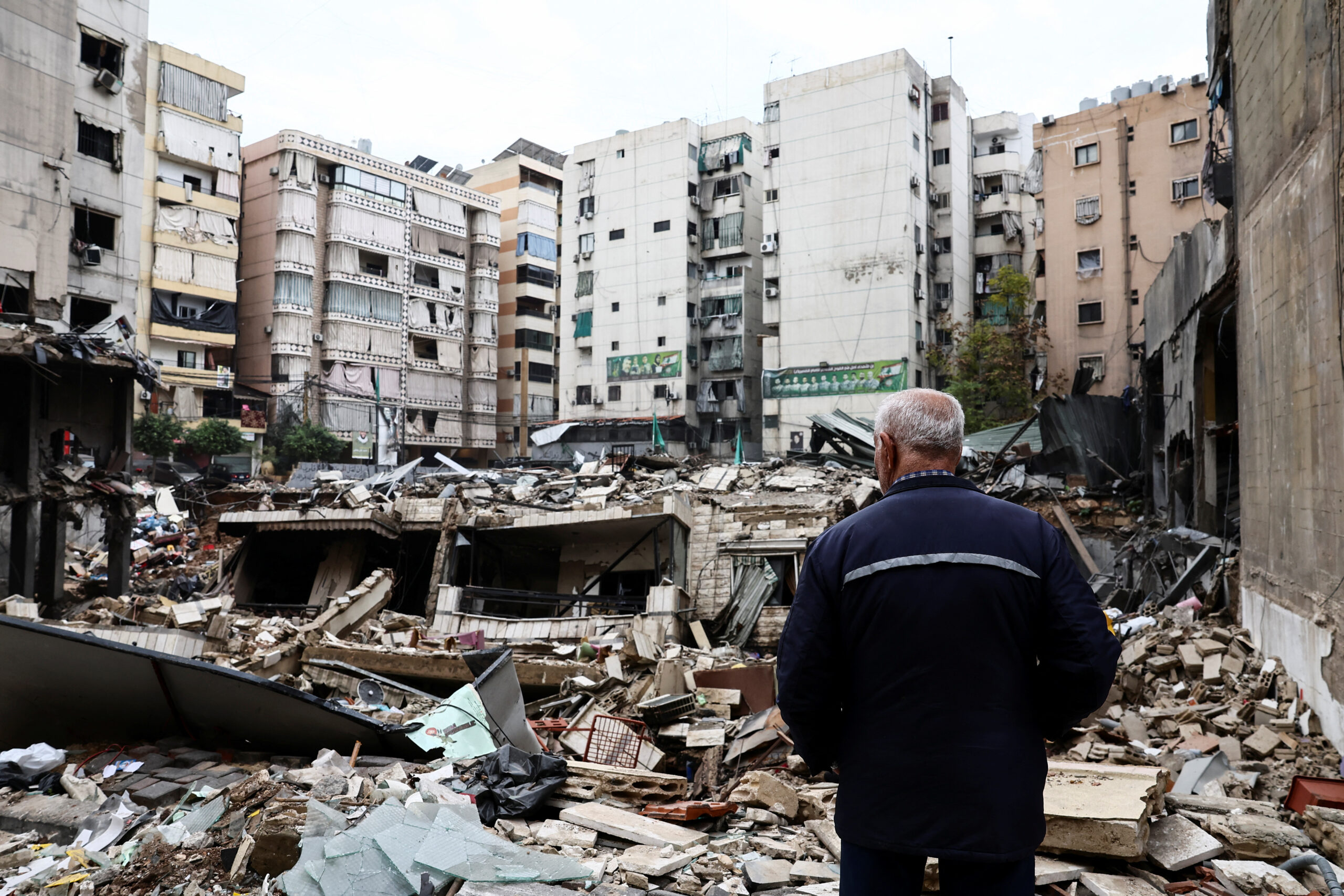
Among the speakers was Basel Khaled, a Palestinian correspondent for Alaraby TV, who has spent years covering Gaza’s turmoil. His story was one of resilience laced with deep personal loss. Basel Khaled spoke of seeing his home reduced to rubble and losing members of his family to the conflict. Even before the most recent war, Khaled recalled, journalists in Gaza were hemmed in by severe restrictions, barred from travelling to the occupied West Bank and forced to work under constant threat. His first bureau, located in Gaza City’s al-Jawhara Tower, was destroyed; other bureaus soon followed the same fate.
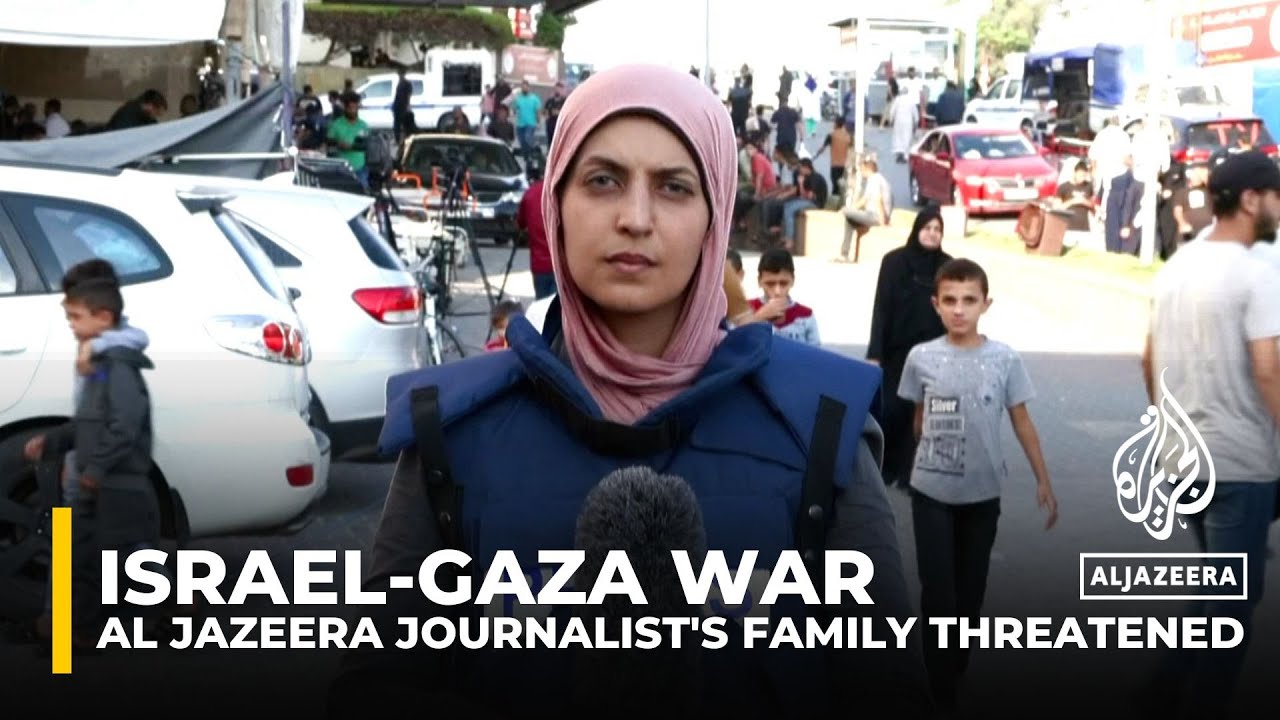
Wael Al-Dahdouh of Al Jazeera offered a sobering portrait of journalism as an act of endurance and moral duty. Reporting from Gaza, he said, is both perilous and necessary. “Do we choose to be journalists,” he asked, “or to live an ordinary life?” In Gaza, he said, that choice barely exists: journalists are targeted deliberately, their presence treated as a threat. His words grew heavier as he described the personal toll of that reality. Al-Dahdouh has lost his wife Amena, his infant grandson, Adam, only forty-five days old, his sons, Mahmoud and Hamza, and his daughter, Sham, all killed in Israeli attacks. “What crime,” he asked, “has a wife committed who shoulders every role; mother, father, doctor, protector; only to be killed? What sin have the children and grandchildren committed to deserve death?”
Jodie Ginsberg from the Committee to Protect Journalists CPJ reflected on how such experiences are redefining the very essence of the profession. She questioned what justice, accountability mean in an era when the killing of journalists so often goes unpunished.
Rawan Al Damen, a Palestinian Jordanian filmmaker, admitted that she and others were initially reluctant to believe that what was unfolding in Gaza amounted to genocide or that journalists were being systematically targeted. “But as events unfolded,” she said, “the pattern became too consistent to ignore.”
Laurent Richard, the French founder of Forbidden Stories, confirmed that his investigations had revealed a disturbing truth: a large proportion of journalists killed in Gaza were not victims of crossfire but of deliberate attacks by Israeli forces.
By the end of the session, one message had crystallized. In Gaza, the truth itself is under siege, and those who strive to tell it are fighting not only for their profession, but for the world’s right to know.
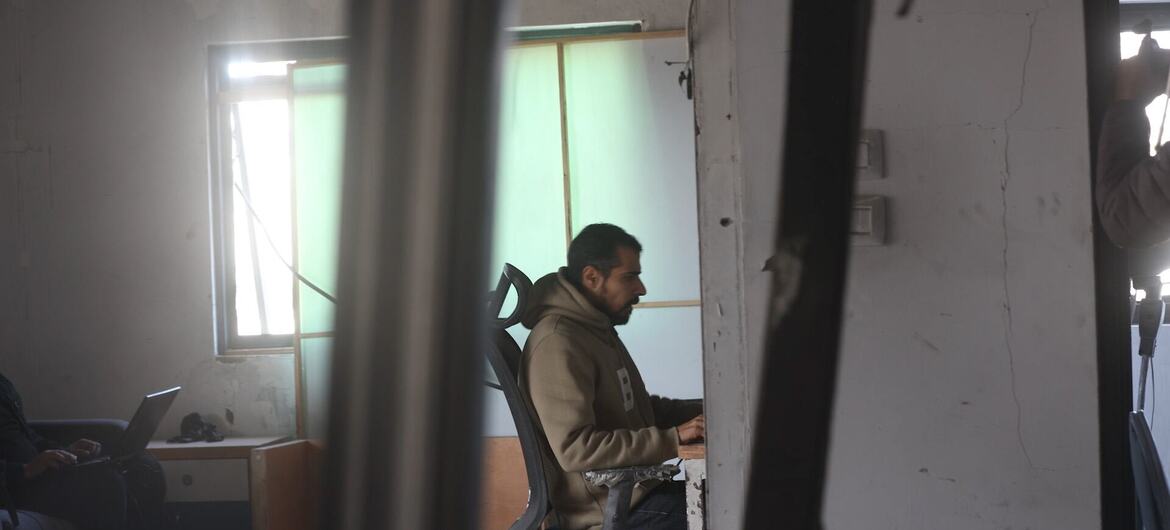
Gaza’s Airwaves, Radio Returns as a Humanitarian Lifeline
Humanitarian and reconstruction policies should prioritise media recovery as part of recovery: rapid supply of transmitters and fuel, training and protection for journalists, and funding for...
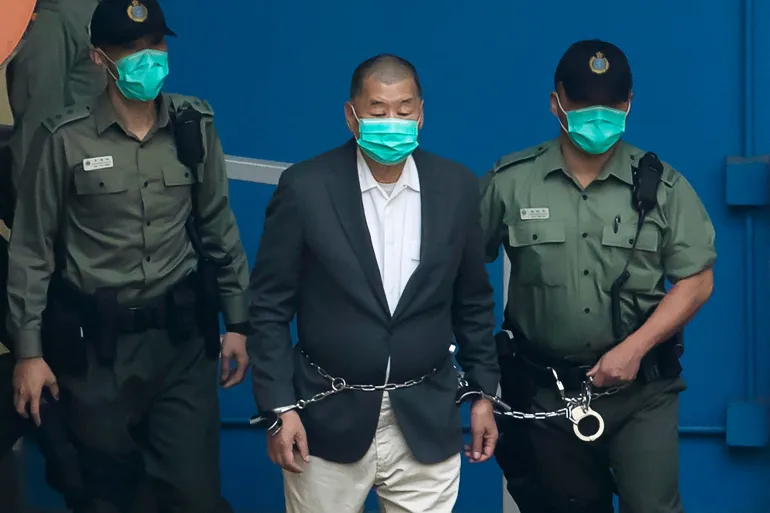
Hong Kong’s Assault on Freedom of Expression
Lai had already faced multiple convictions prior to this lengthy sentence, including charges related to unauthorized assemblies and fraud, resulting in over seven years behind bars. In 2024,...
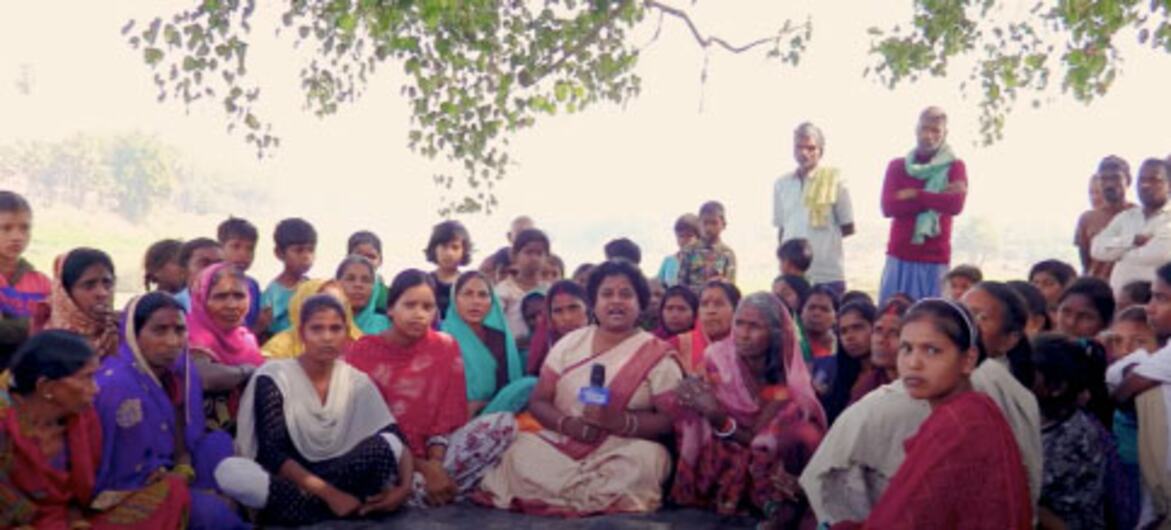
How Rural Indian Women are Redefining Journalism
India’s women reporters are transforming journalism, especially in rural areas. Khabar Lahariya offers a powerful example of grassroots innovation, inspiring broader reflection on whose voices...

- Events
- Gaza’s Tragic Present and Uncertain Future
- Human Rights, Values, and Culture.
- Humanitarian Crisis
- Press Freedom
Al Jazeera Forum: Navigating the Complexities of Human Rights, Accountability & International Law
Discussions included the role of the ICC prosecutor and the importance of consistent enforcement to avoid perceptions of selective justice. Despite challenges, international law was recognized...
- Most Viewed
- Most Popular


Our Network
Our Channels

© 2026 Al Jazeera Media Network. All rights reserved.