

Albanese’s China Visit: Balancing Economic Ties and Human Rights Concerns
![Australia's Prime Minister Anthony Albanese (left) is the first Australian leader to visit Beijing since 2016 [Lukas Coch/AAP Image via AP Photo]<br />](https://liberties.aljazeera.com/resources/uploads/2025/07/1752486570.webp)
Australia's Prime Minister Anthony Albanese (left) is the first Australian leader to visit Beijing since 2016 [Lukas Coch/AAP Image via AP Photo]
Australian Prime Minister Anthony Albanese embarked on a six-day official trip to China starting July 12, 2025, for the annual leaders’ meeting with Chinese President Xi Jinping. The itinerary, concluding on July 18, includes stops in Beijing, Shanghai, and Chengdu, with meetings also planned with Premier Li Qiang and Zhao Leji, Chairman of the National People’s Congress.
The visit primarily aims to deepen trade, tourism, and business relations between the two countries. Leading a significant business delegation, Albanese has already engaged with Shanghai Party Secretary Chen Jining and is preparing to sign a memorandum of understanding between Tourism Australia and Trip.com to encourage greater Chinese tourism to Australia.
While focused on economic and diplomatic cooperation, the timing overlaps with Australia’s largest-ever military exercise, Exercise Talisman Sabre, involving more than 35,000 personnel from 19 nations. Notably, the drills include training in Papua New Guinea, marking the first time Talisman Sabre extends beyond Australian soil. Despite this coincidence, Albanese has confirmed that the military activities will not feature in talks with Chinese officials.
The Australian government’s official statement regarding the visit notably omits any explicit mention of human rights. Instead, it reiterates a vague commitment that high-level engagement “enables difference to be addressed.” This diplomatic language reflects the Albanese administration’s tendency to downplay serious human rights concerns as mere “points of contention.” However, these issues involve fundamental rights protected under international law and essential freedoms integral to democratic societies.
China continues to rank among the world’s most authoritarian regimes. Hong Kong remains a vivid example: since the 2020 National Security Law, the city’s semi-democratic system has been dismantled, with freedoms of expression, association, and assembly severely curtailed. Organizations such as Human Rights Watch have documented the systematic erosion of electoral processes, judicial independence, and the persecution of lawyers and activists challenging the authorities.
Since 2016, China has intensified its widespread and systematic abuses against Uyghurs and other Turkic minorities in Xinjiang, actions widely recognized as crimes against humanity. These include stringent travel restrictions, surveillance of diaspora communities, and suppression of dissenting voices. Australia, together with international partners, has persistently urged China to implement the UN’s 2022 Xinjiang report recommendations, though these appeals remain largely unheeded.
Repression also persists in Tibet, where concerns mount over the succession of the Dalai Lama, now in his 90s. As a potent symbol of Tibetan identity and resistance, the Dalai Lama’s succession raises critical questions about religious freedom and cultural survival amid Beijing’s efforts to assert control.
China’s repression extends beyond its borders, encompassing intimidation, surveillance, harassment, and forced repatriation of dissidents abroad, including within Australia. This extraterritorial reach threatens diaspora communities and challenges democratic values globally.
Albanese has faced criticism for not forcefully addressing China’s human rights abuses during the visit. Advocacy groups call on him to reject framing these matters as mere “differences in views” and instead confront the tangible suffering caused by Beijing’s policies. They urge clear condemnation of abuses in Hong Kong, Xinjiang, and Tibet, and demand an end to China’s global campaign of intimidation targeting dissidents and diaspora populations, including those in Australia.
This trip highlights the delicate balance Australia must strike between fostering economic and strategic partnerships and defending human rights and democratic principles. Albanese is scheduled to return home after concluding engagements in Chengdu on July 18.
HRW/Agencies.
The 61st Regular Session
The session ran from 23 February to 31 March 2026, with the closing press release issued on 2 April. Key outcomes included:
Empty Eyes at the School Gate
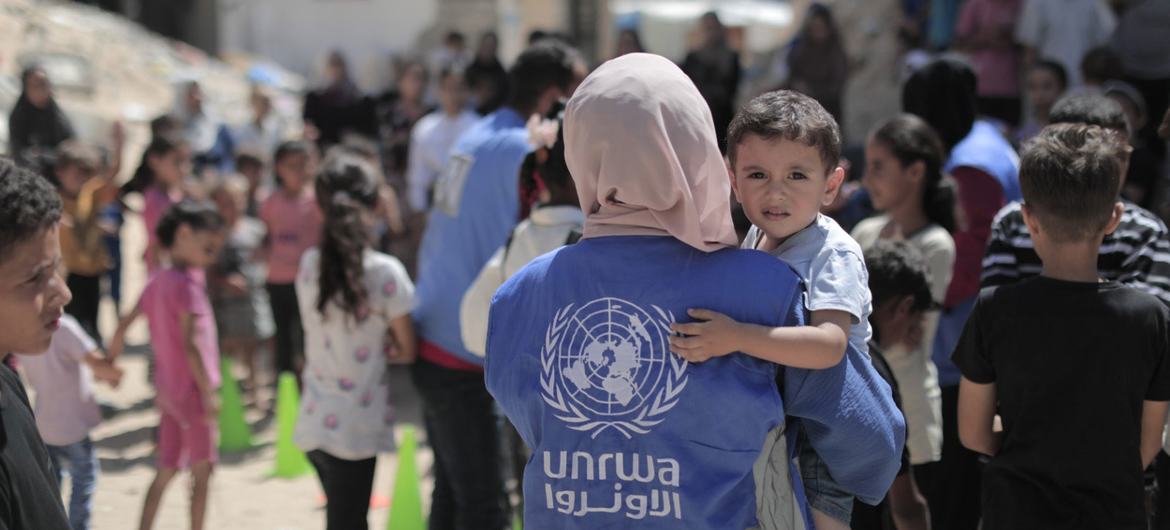
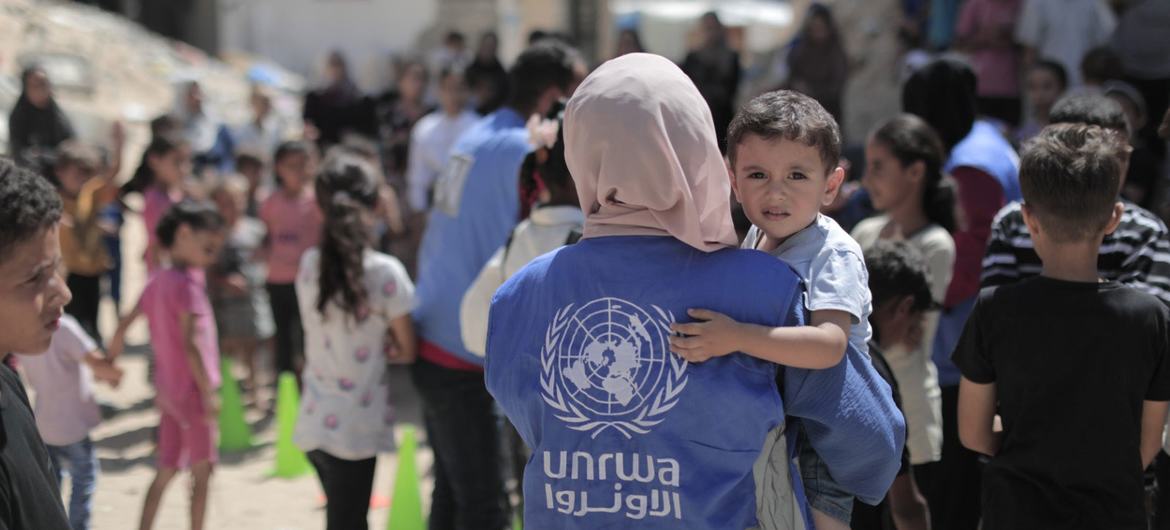
Outgoing UNRWA chief Philippe Lazzarini reflects on two years of atrocity, institutional assault, and the one girl he cannot forget.






Our Network
Our Channels

© 2026 Al Jazeera Media Network. All rights reserved.