

Al Jazeera on Ending Impunity for Crimes Against Journalists
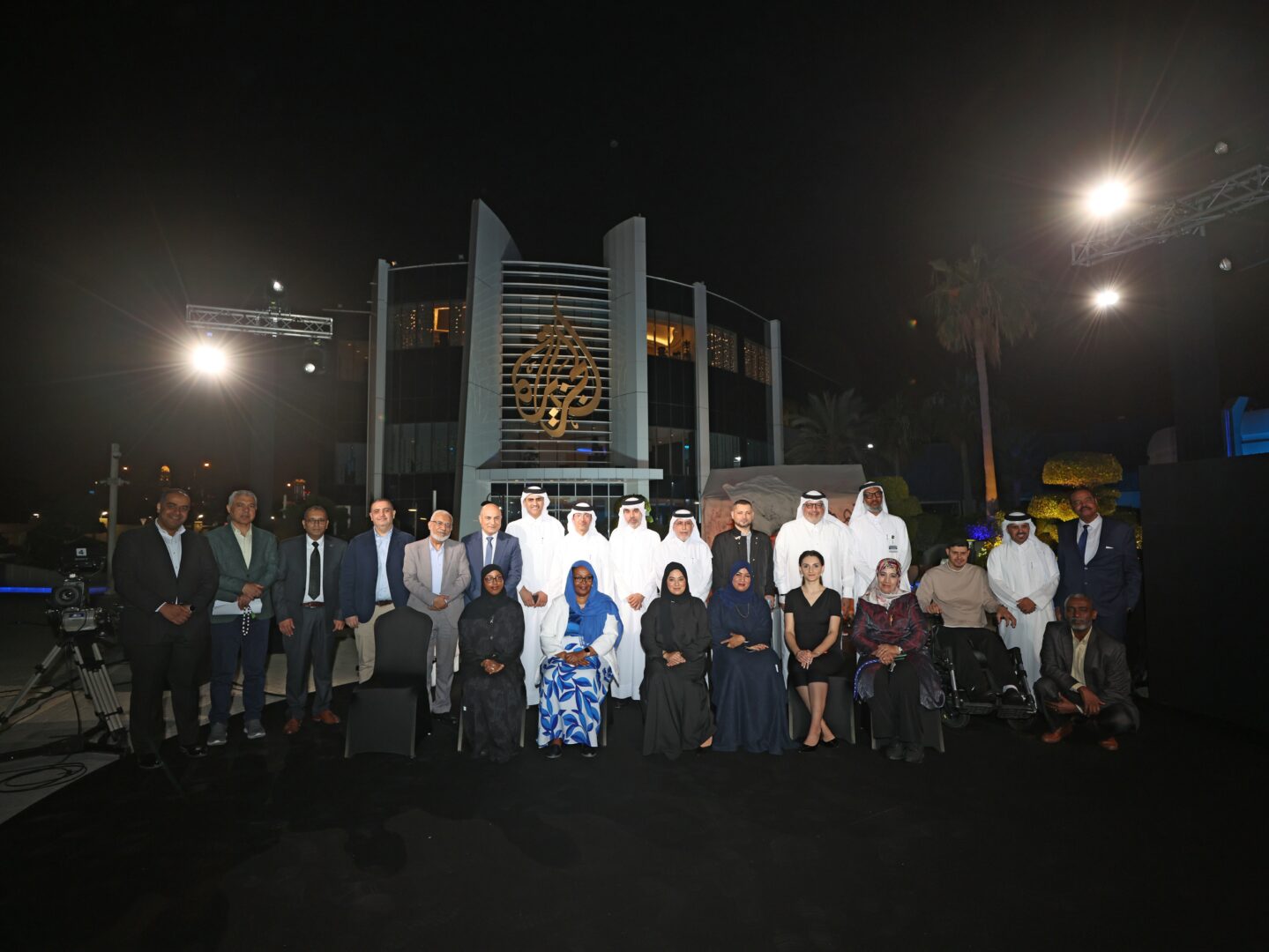
Justice for murdered and injured journalists remains Al Jazeera Public Liberties & Human Rights Centre’s daily business.
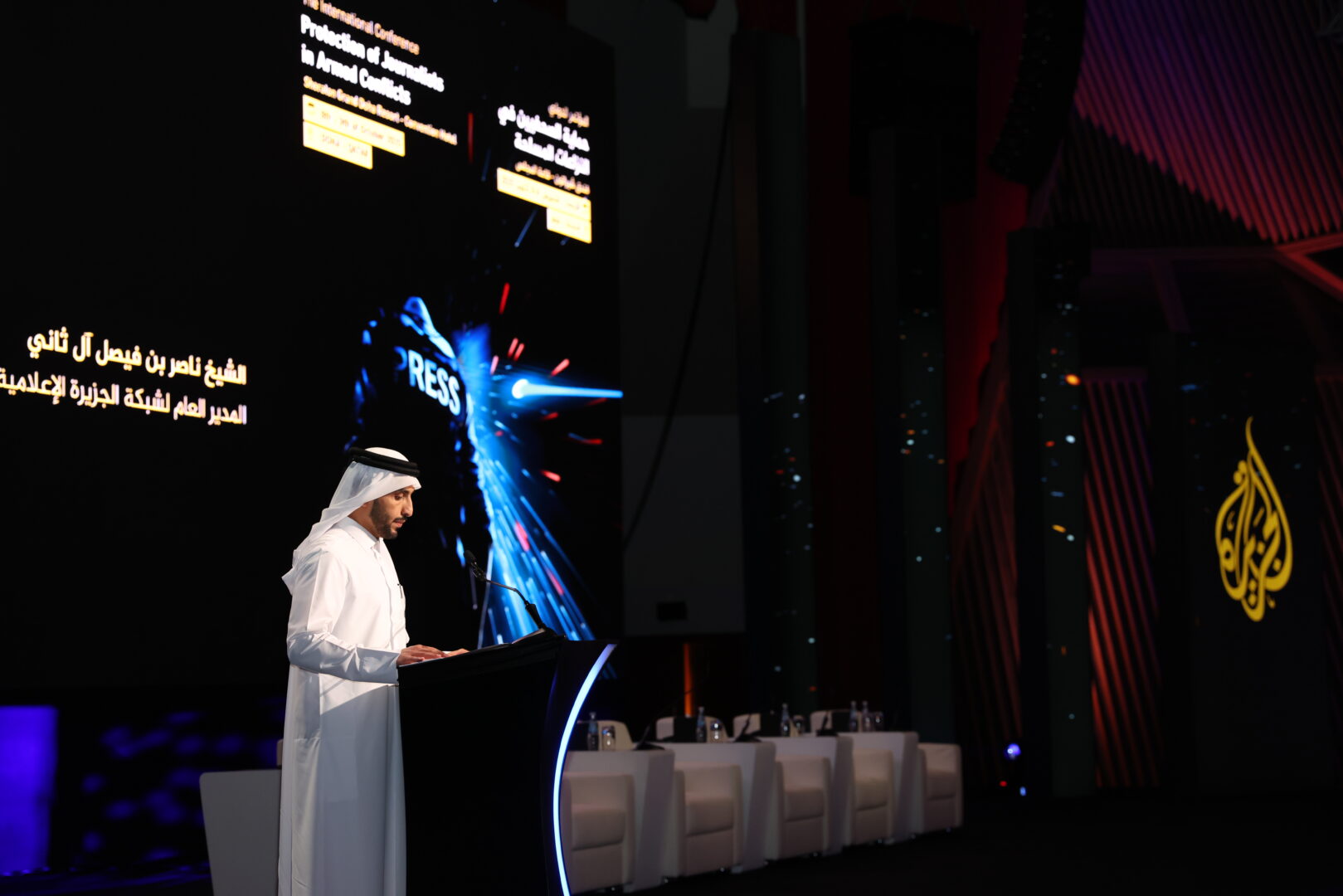
The televised symposium held on Sunday by Al Jazeera Centre for Public Liberties & Human Rights, aptly titled Ending Impunity for the Killers of Journalists, was not a place for rhetoric. It was a reckoning. For years, governments and institutions have offered sympathy when journalists are killed, then quietly moved on. The speakers on Sunday were united in their impatience. Condemnations, they said, have become a ritual substitute for justice.
The symposium took place at Al Jazeera Media Network’s main courtyard.
The space fell quiet when the symposium began. A young Al Jazeera Media Network journalist described how a single bullet had left him paralyzed from the waist down. Another showed the stump of his right foot, lost to a drone bomb. Then came the daughter of a martyr journalist; despite her grief, her voice remained steady as she spoke of a father who never came home.
Justice for murdered and injured journalists remains Al Jazeera Public Liberties & Human Rights Centre’s daily business.
UNESCO’s Tawfik Jelassi delivered a recorded address that felt less like a speech than a plea. The protection of journalists, he argued, is not a matter of professional solidarity but of survival for open societies. “When journalists are secure, truth is secure,” he said. “And when truth is secure, democracy thrives.”
His words found an echo in Volker Türk, the United Nations’ human-rights chief, who has spent the past year warning that the killers of journalists are rarely punished. Over the last decade, more than a thousand journalists have been murdered; in roughly nine out of ten cases, the trail has gone cold. “These are not numbers,” Türk said in his recorded address marking the International Day to End Impunity for Crimes Against Journalists. “They are a measure of how far we have allowed indifference to spread.”
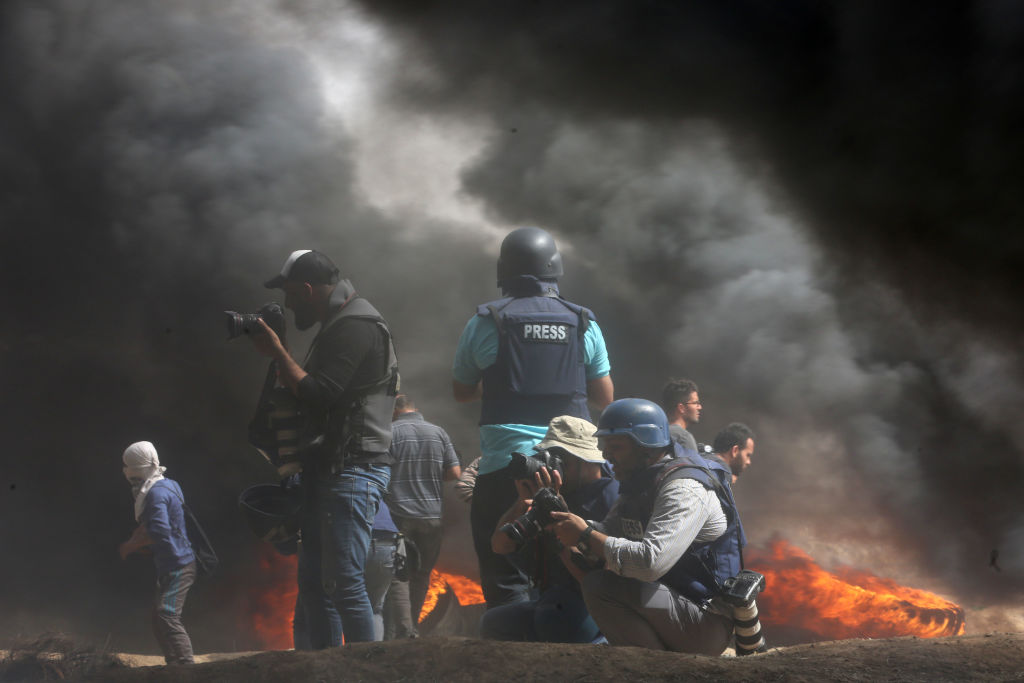
Gaza illustrates the danger with grim clarity. Since 2023, at least 252 journalists have been killed there, a toll that makes it, by far, the most lethal place on earth for the press. Yet the pattern extends well beyond war zones. In countries nominally at peace, journalists digging into corruption or crime meet the same fate, their killers shielded by power or neglect.
UNESCO’s data are hard to read. Since 2006, more than 1,800 journalists and media workers have been killed. Around 85% of those cases remain unsolved. Behind the statistics lies a ledger of unfinished stories: investigations halted mid-sentence, notebooks left open on desks. “Impunity breeds impunity,” UNESCO notes dryly, a phrase that sounds bureaucratic until you realise it describes a system in decay.
It was this grim arithmetic that prompted the UN General Assembly, back in 2013, to establish November 2nd as the International Day to End Impunity for Crimes Against Journalists. The date was chosen to honour two French reporters abducted and killed in Mali. More than a decade on, the symbolism endures, but so does the problem.
UNESCO’s observatory continues to document each killing, updating its public database with names, locations, and the judicial status of every case. It also trains governments to strengthen protections and reform laws. Yet progress remains scattershot. In some places, prosecutors are intimidated; in others, politicians prefer silence to scandal. Justice, when it comes, tends to arrive years late and half-hearted.
The cost is measured not just in deaths but in absences, the stories never told, the corruption never exposed. The murder of a journalist is not merely a crime against an individual; it is an assault on the collective right to know. When a journalist is silenced, society itself becomes less informed, less vigilant, and ultimately, less free.
At Sunday’s symposium, the final message was as simple as it was stern. The existing laws to protect journalists are sound enough, but they must be enforced. Where they fail, new ones must be written. The international community, speakers urged, must stop treating such murders as tragic inevitabilities and start prosecuting them as the assaults on democracy that they are.
Freedom of the press, one panellist said, “does not collapse all at once; it erodes with every unsolved killing.” If that is true, the world’s democracies have been eroding quietly for years. Ending impunity will not restore what has been lost overnight. But without it, the slow decay of truth will continue, sentence by silenced sentence.
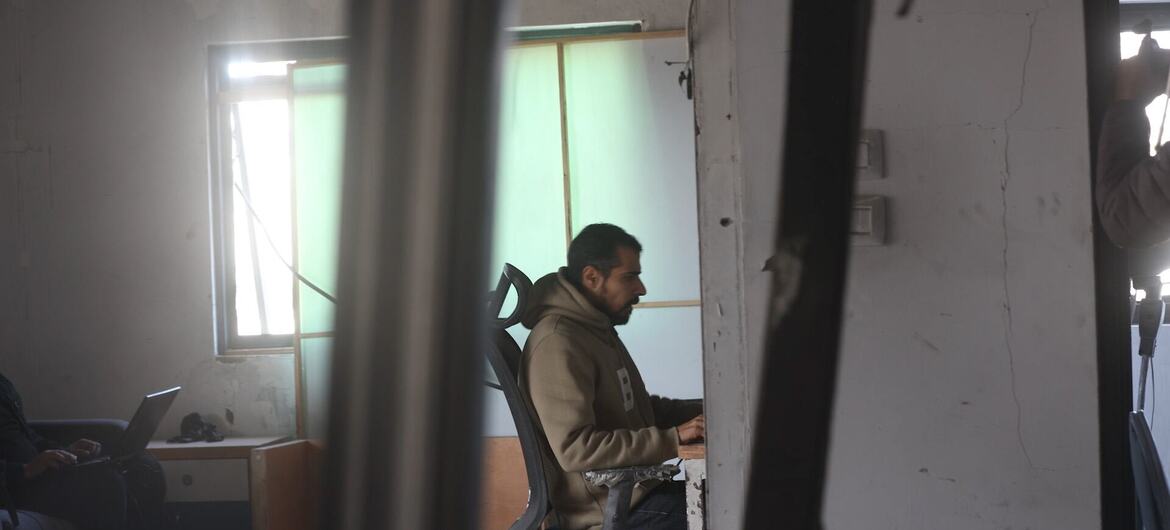
Gaza’s Airwaves, Radio Returns as a Humanitarian Lifeline
Humanitarian and reconstruction policies should prioritise media recovery as part of recovery: rapid supply of transmitters and fuel, training and protection for journalists, and funding for...
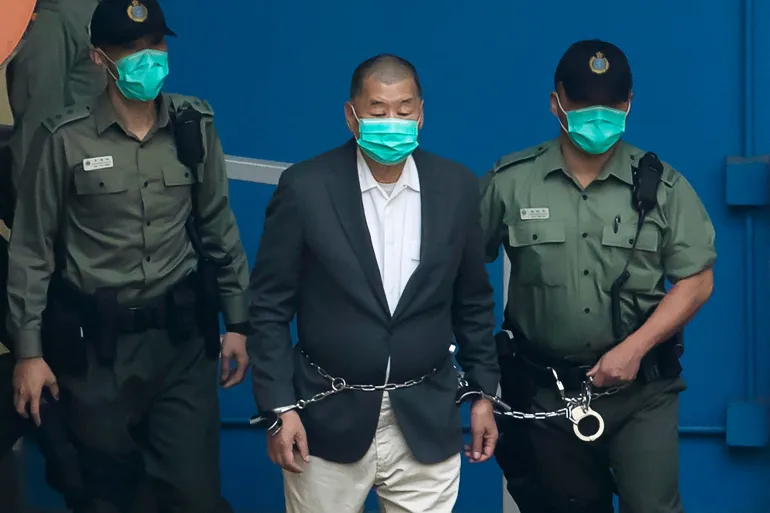
Hong Kong’s Assault on Freedom of Expression
Lai had already faced multiple convictions prior to this lengthy sentence, including charges related to unauthorized assemblies and fraud, resulting in over seven years behind bars. In 2024,...
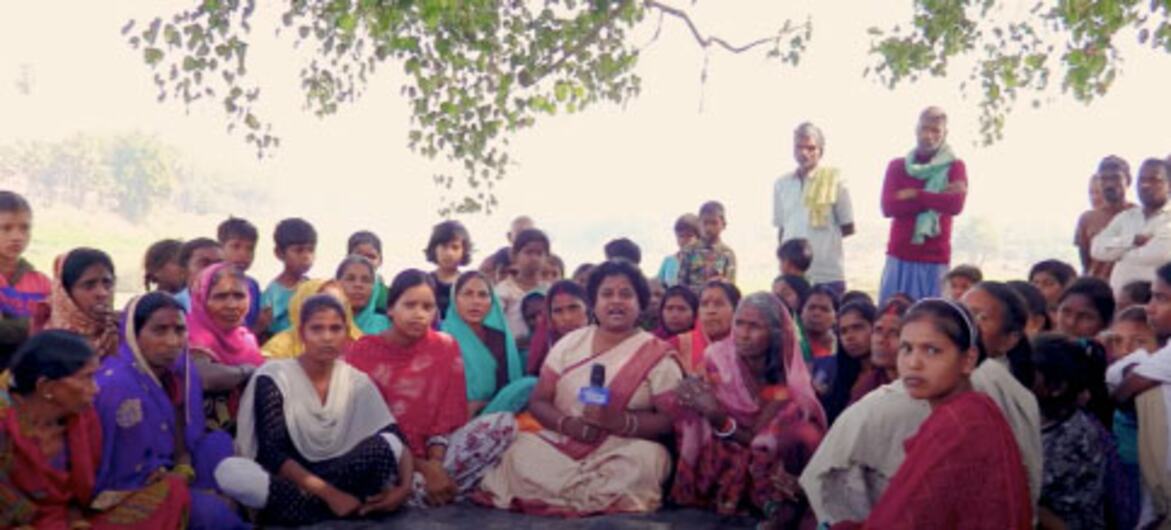
How Rural Indian Women are Redefining Journalism
India’s women reporters are transforming journalism, especially in rural areas. Khabar Lahariya offers a powerful example of grassroots innovation, inspiring broader reflection on whose voices...

- Events
- Gaza’s Tragic Present and Uncertain Future
- Human Rights, Values, and Culture.
- Humanitarian Crisis
- Press Freedom
Al Jazeera Forum: Navigating the Complexities of Human Rights, Accountability & International Law
Discussions included the role of the ICC prosecutor and the importance of consistent enforcement to avoid perceptions of selective justice. Despite challenges, international law was recognized...
- Most Viewed
- Most Popular


Our Network
Our Channels

© 2026 Al Jazeera Media Network. All rights reserved.