
Al Dabbah Camps, Aid Cuts, and a Looming Public Health Catastrophe
![Women displaced from el-Fasher stand in line to receive food aid at the newly established el-Afadh camp in al-Dabba, in Sudan's Northern State, November 16 [Marwan Ali/AP]](https://liberties.aljazeera.com/resources/uploads/2026/02/1770130671.webp)
Women displaced from el-Fasher stand in line to receive food aid at the newly established el-Afadh camp in al-Dabba, in Sudan's Northern State, November 16 [Marwan Ali/AP]
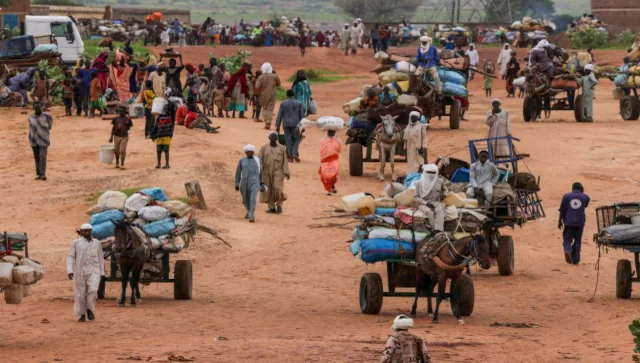
Al Dabbah in Sudan’s Northern State hosts more than 20,000 internally displaced people who fled Darfur and Kordofan, with UN field estimates placing one camp at around 26,000 residents and numbers rising daily.
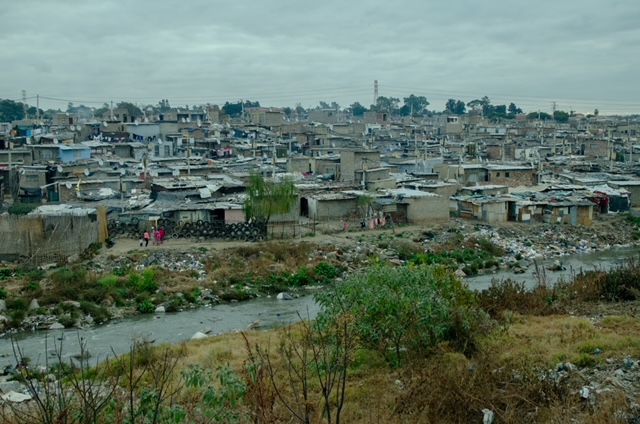
Sanitation is critically inadequate, with roughly 100 toilets reported for the entire camp and contaminated wells increasing the risk of waterborne disease.
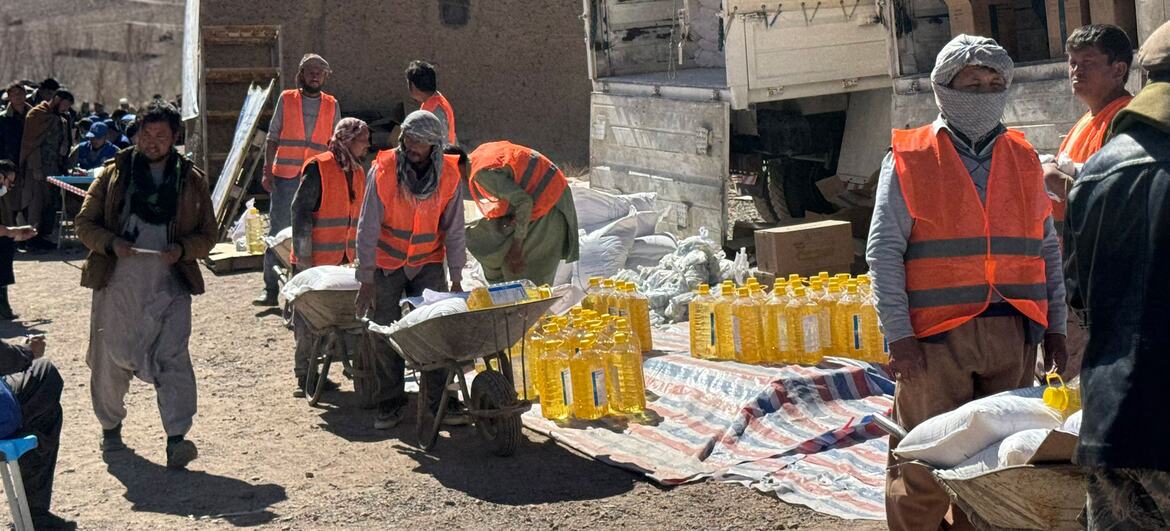
Many arrivals endured weeks of travel and require urgent medical attention, but UN agencies say they lack sufficient resources after international funding was slashed last year, limiting food, health, and sanitation provision.
Darfur and parts of Kordofan are already classified by UN assessments as famine risk zones, and the influx has pushed per capita aid below humanitarian standards.
The failure to match resources to need has transformed displacement into a public health emergency, with heightened risks of malnutrition, infectious disease outbreaks, and preventable mortality, raising urgent human rights obligations for donor states and relief actors.
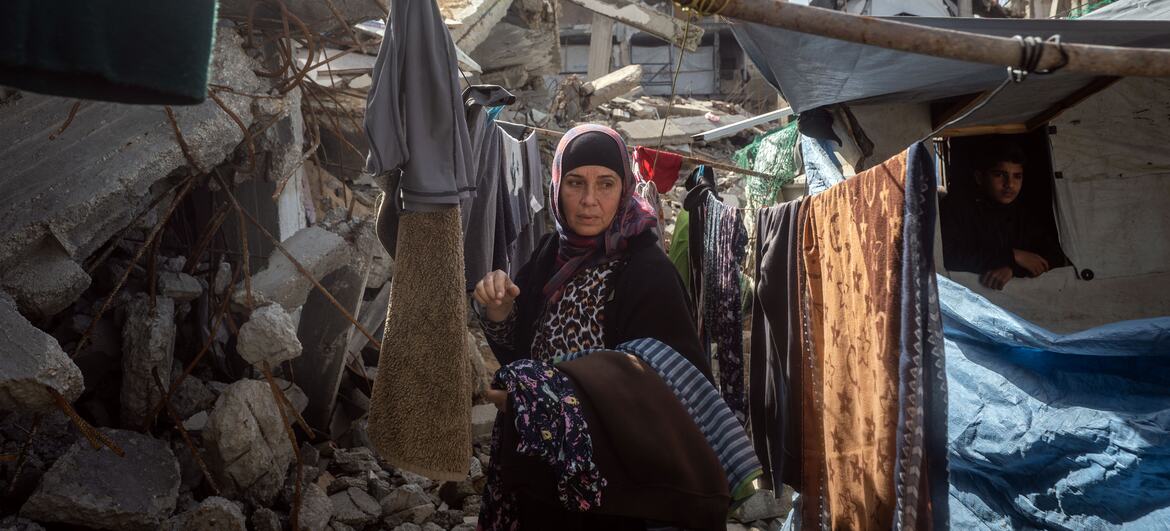
UN’s Austerity vs. Middle East’s $1 Billion Daily War: A Global Paradox
The UN’s urgent $23 billion appeal, designed to support 87 million individuals teetering on the brink of destitution, remains critically underfunded. A yawning chasm of over $14 billion...
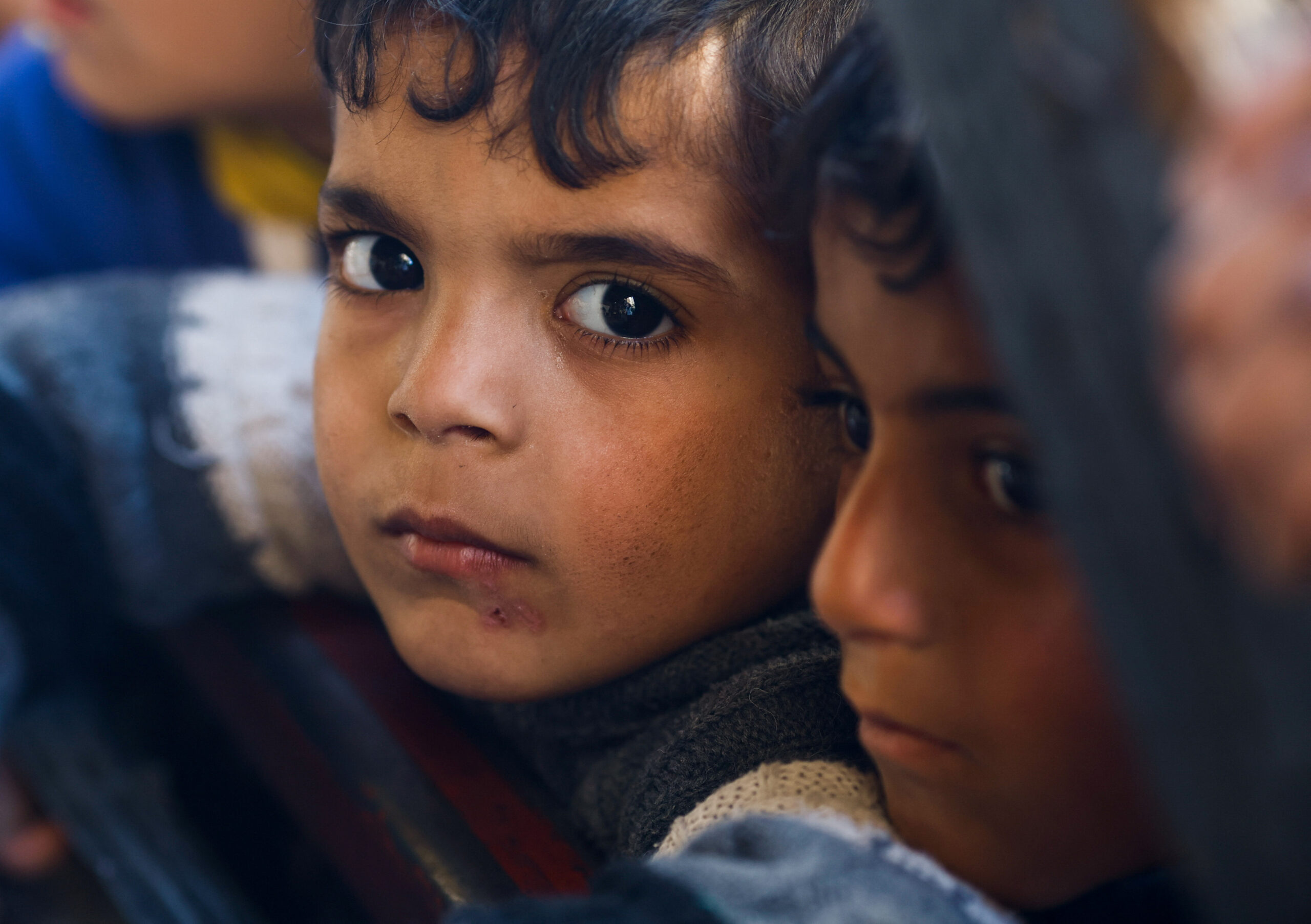
Sudan: A Call to Action as Atrocities Rise
The situation in Sudan demands immediate and decisive action. Without credible deterrence and robust intervention, the civilian population will continue to bear the brunt of this crisis,...
- Most Viewed
- Most Popular





Our Network
Our Channels

© 2026 Al Jazeera Media Network. All rights reserved.