

Ain el-Hilweh’s Day of Mourning
![Civil defence vehicles park at the entrance of Ain al-Hilweh Palestinian refugee camp, following an Israeli attack [Ali Hankir/Reuters]](https://liberties.aljazeera.com/resources/uploads/2025/11/1763558066.webp)
Civil defence vehicles park at the entrance of Ain al-Hilweh Palestinian refugee camp, following an Israeli attack [Ali Hankir/Reuters]
Sidon is used to tension. It is less accustomed to the sort of shock that hit on Tuesday, when an Israeli strike tore into Ain el-Hilweh, Lebanon’s largest Palestinian refugee camp, killing at least thirteen people. Israel insists the blast targeted a Hamas training site. Residents insist it flattened a sports field where teenagers usually linger after school. Between those two claims lies the sort of ambiguity that Lebanon has lived with for decades.
Ain el-Hilweh is a place where contradictions coexist without ever resolving. Formally outside Lebanese security control yet entwined in the country’s politics, it has long been a patchwork of rival factions, tired apartment blocks, and improvised calm. The strike shattered that fragile balance. By afternoon, Sidon’s schools had closed; inside the camp, a general strike was declared less a political act than a communal gasp.
The explosion came on the heels of another Israeli attack, this one by drone, that killed a man in Bint Jbeil. That incident drew less attention, partly because such strikes have become more common along Lebanon’s southern rim. But together they mark an unnerving escalation: a steady widening of the northern theatre, one strike at a time.
Lebanese officials warn that the conflict’s spillover is becoming harder to contain. Israel counters that it is chasing militants who hide among civilians, pointing to the very complications that Lebanon struggles to manage. The camp residents, for their part, know they are caught in a larger game. What happened on the sports field, if indeed it was a sports field, as locals insist, is the sort of event that can reshape a community for years. In a place already bruised by poverty and factional strife, the strike landed like a verdict: even childhood spaces are no longer exempt.
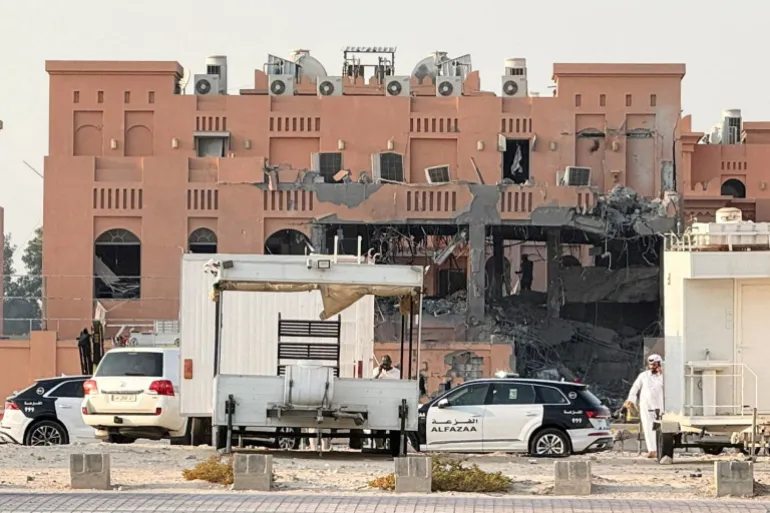
Gaza Ceasefire Deal Amid Tensions Following Israeli Attack on Doha
However, hopes for a swift resolution have been overshadowed by the recent Israeli attack on Doha, which has...
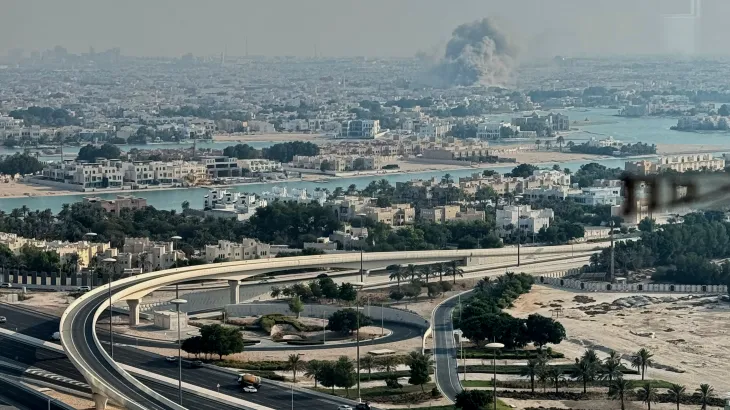
Israel’s Strike on Hamas in Qatar Raises Regional Fears
The international response was swift and severe. Britain, France, Germany, and other EU nations condemned the airstrikes on Doha. French President Emmanuel Macron labelled the attack...
- Most Viewed
- Most Popular

Our Network
Our Channels

© 2026 Al Jazeera Media Network. All rights reserved.