

Aid Reaches Gaza According to the UN
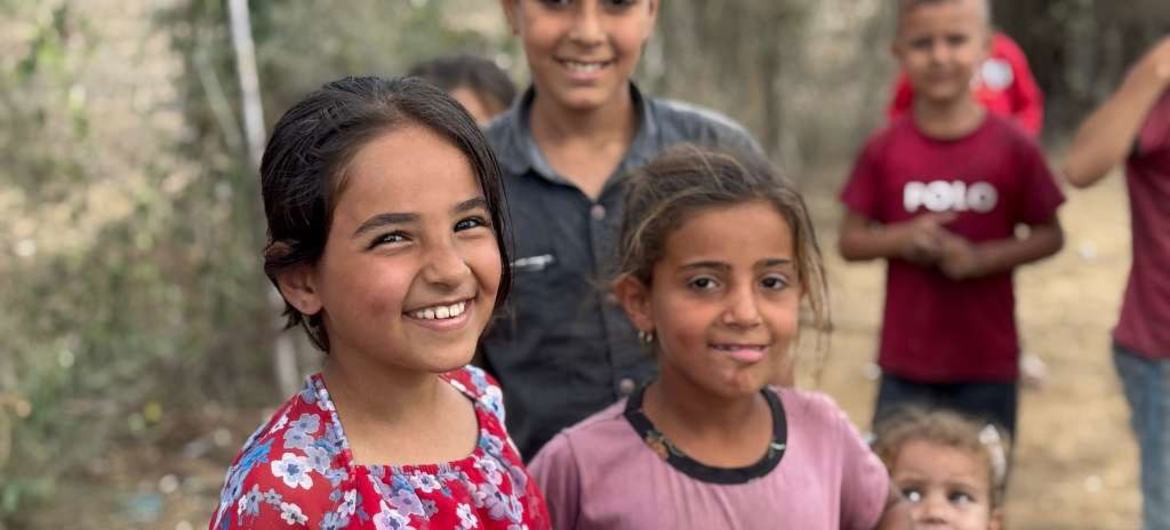
© UNOCHA Children in Gaza celebrate the ceasefire.
For the first time in years, a cautious optimism is stirring in Gaza.
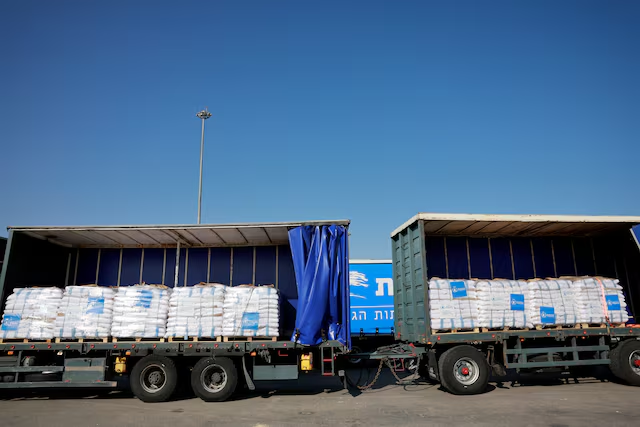
Relief operations, long constrained by conflict, have begun moving at scale. The UN’s humanitarian office announced that 190,000 tonnes of food, medicine, and shelter supplies are now authorised to enter the Strip. 20,000 tonnes more than previously allowed. Cooking gas has arrived for the first time since March, alongside tents, flour, fresh fruit, and frozen meat. Aid workers are reporting greater freedom of movement, enabling them to position supplies ahead of winter, clear key roads, and reach displaced families.
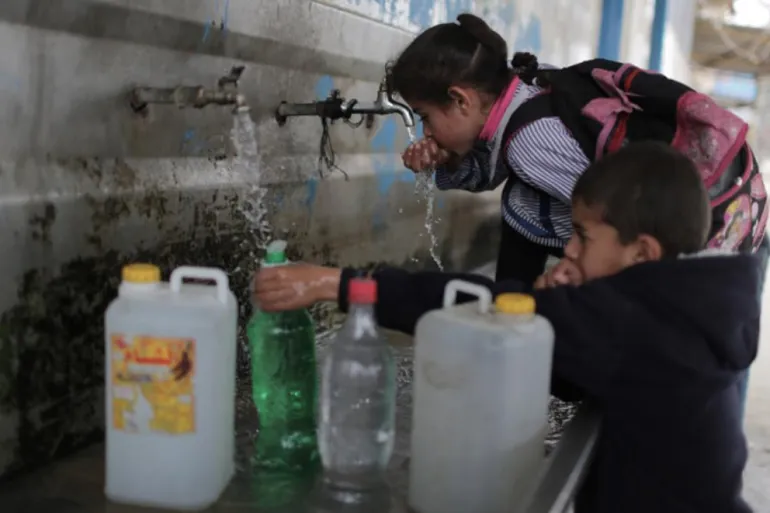
The UN’s immediate plan aims to reach almost everyone in Gaza within 60 days. It includes feeding more than two million people, restoring healthcare services, providing clean water, repairing sanitation networks, supporting displaced families with emergency shelter, and reopening temporary schools for around 700,000 children. Nutrition and mental health support are key, particularly for vulnerable groups such as children and expectant mothers.
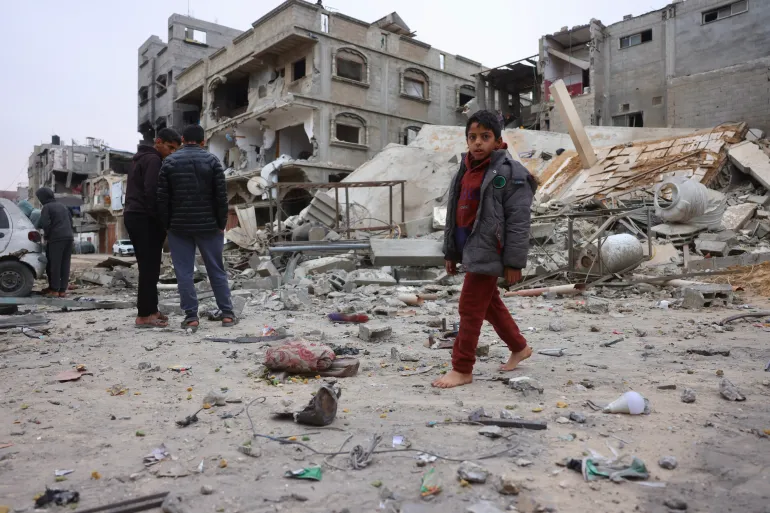
The impact of two years of war is profound. Bombardment and displacement have left many without homes, while Gaza’s children face widespread psychological distress. UNICEF reports that nearly all of the Strip’s youngsters show signs of severe stress, from nightmares to withdrawal. Counsellors have introduced coping techniques, such as a simple “safety button” exercise, to help children manage fear; early results suggest most participants are benefiting.
The release of hostages and the resumption of aid signal a tentative turn, yet the path ahead is uncertain. Sustained peace will require more than temporary relief; it will demand that the ceasefire holds and that international attention translates into durable reconstruction.
For more details: https://news.un.org/en/story/2025/10/1166084
The US/Israel/Iran War & The Humanitarian Crisis in Gaza
Chef José Andrés, the founder of World Central Kitchen, emphasized the urgent need for daily food deliveries to ensure that vulnerable families, who are caught in the crossfire but are not...
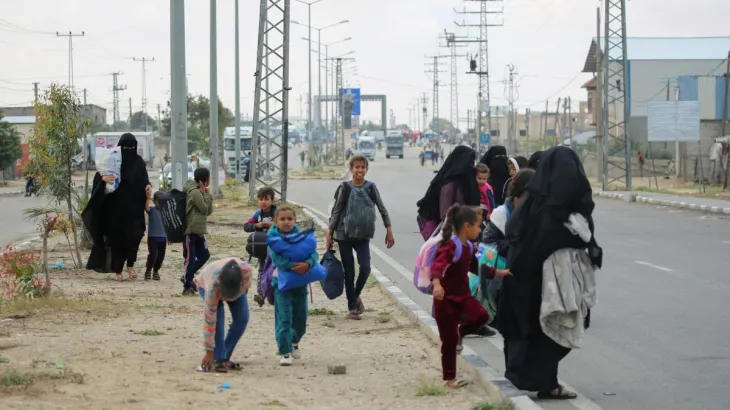
Humanitarian Crisis at the Rafah Crossing
The consequences of this blockade are severe: soaring levels of hunger, increased medical emergencies, and an atmosphere rife with fear. Aid trucks remain stalled at the crossing, unable to...
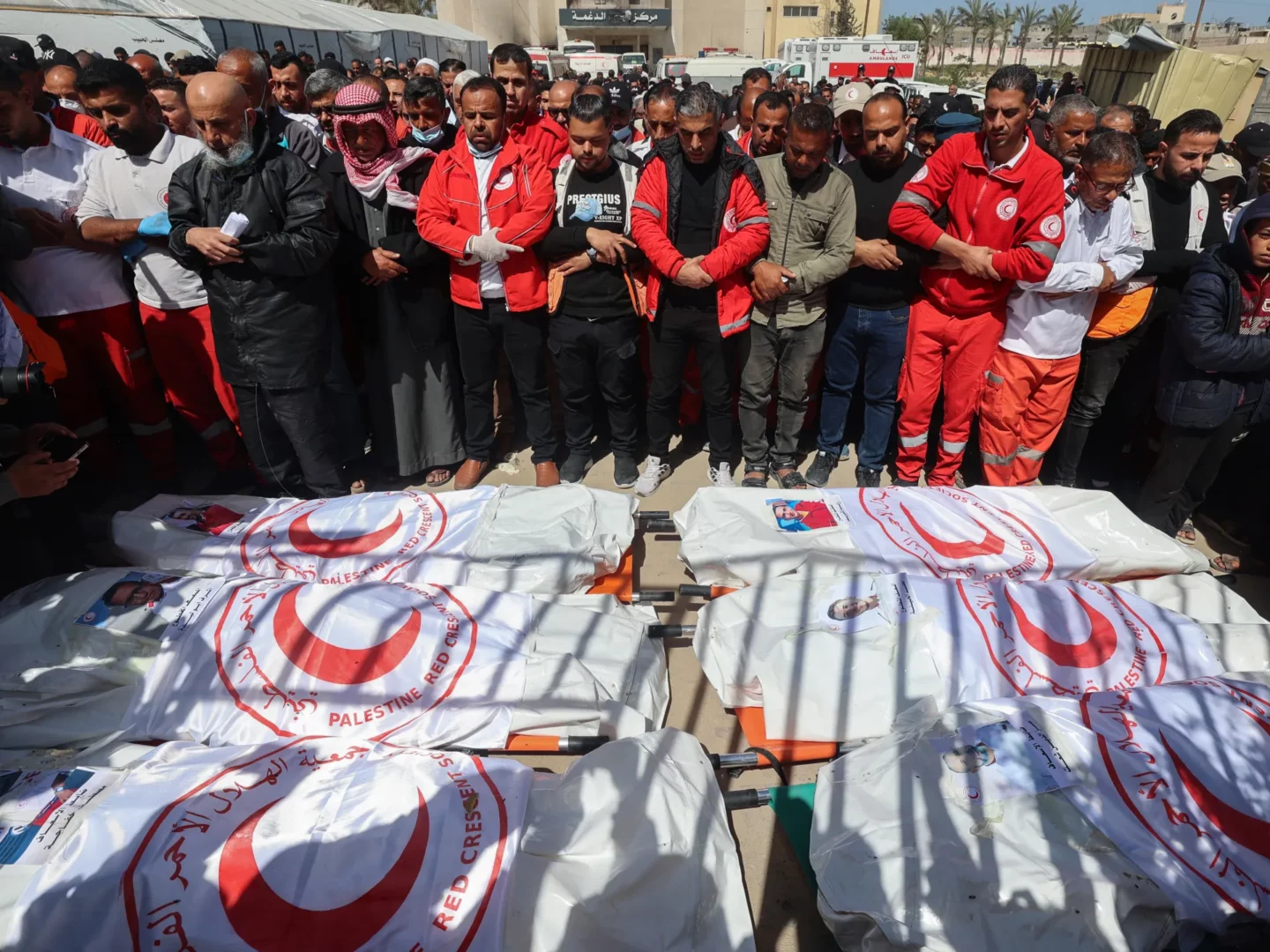
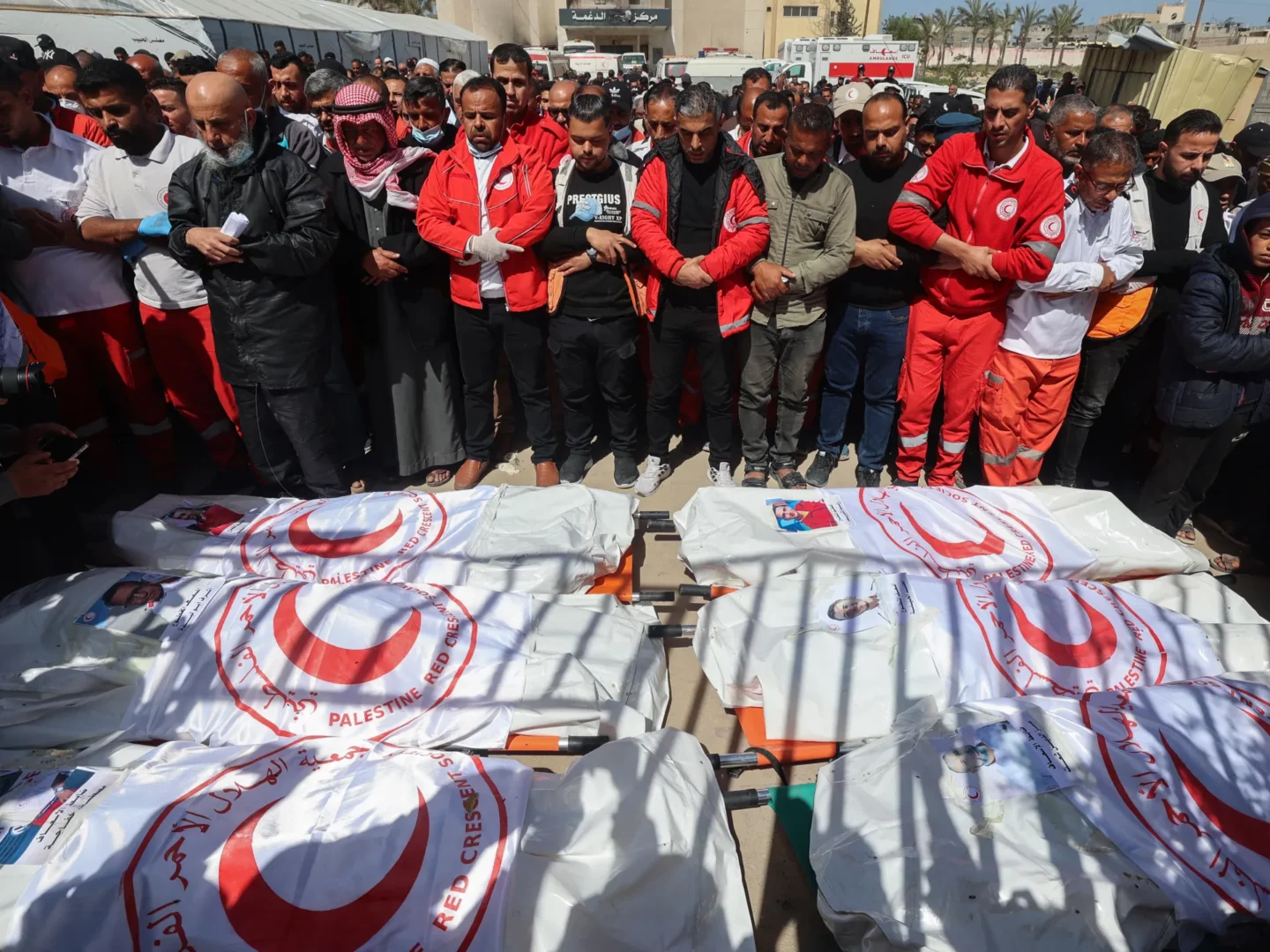
Ambush on Aid, Forensic Audio Links Bullets to Red Crescent Deaths in Tal al‑Sultan
The findings amplify allegations that humanitarian workers, who are protected under international law, were deliberately targeted.





Our Network
Our Channels

© 2026 Al Jazeera Media Network. All rights reserved.