

A New Chokehold on Gaza
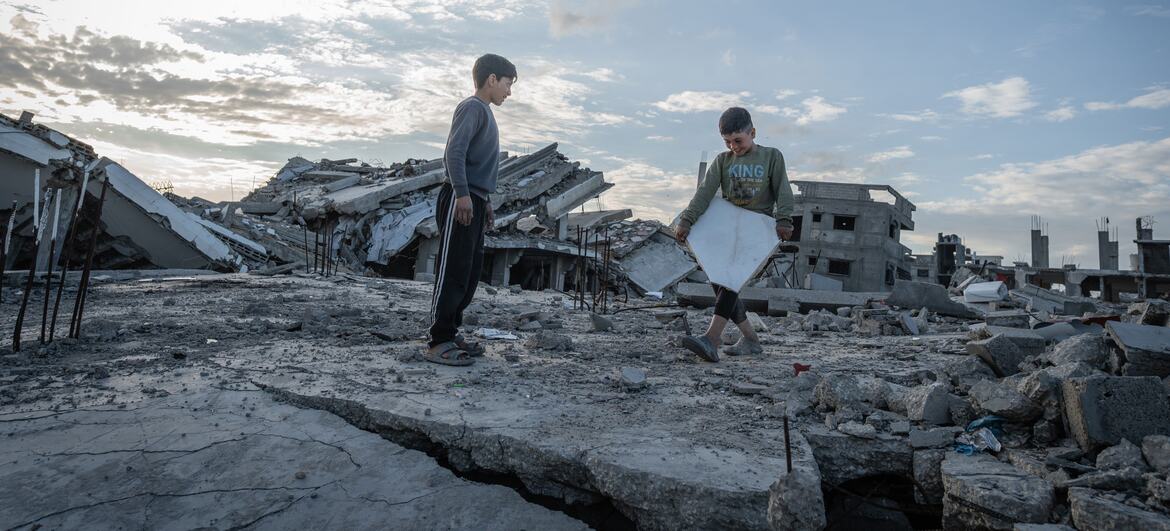
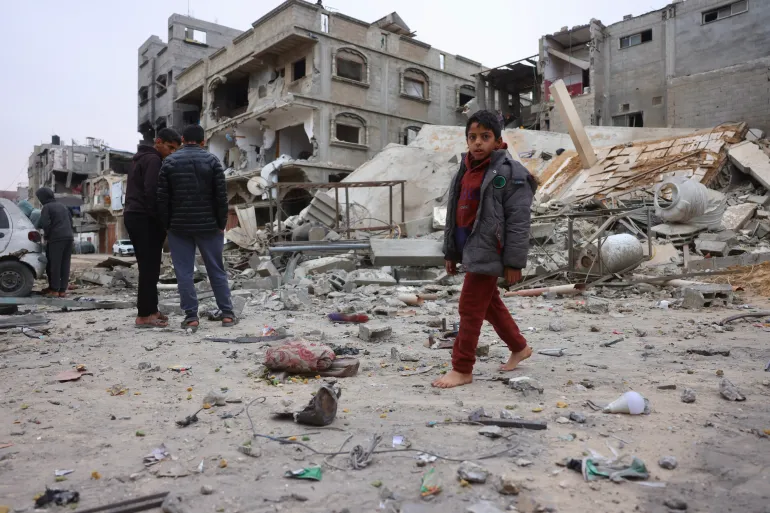
© WFP/Maxime Le Lijour A boy moves rubble from the ruins of his family's home in Gaza.
The situation in the Middle East has reached a critical juncture, particularly in Gaza, where escalating violence is compounding an already dire humanitarian crisis. International organizations are raising alarms, urgently calling for action to address the worsening plight of the civilian population. During a recent midday briefing in New York, UN Spokesperson Stéphane Dujarric provided a concerning update, revealing the complete closure of all border crossings by Israeli authorities. This drastic measure has effectively halted the flow of humanitarian aid into the region, exacerbating the existing challenges faced by those in need.
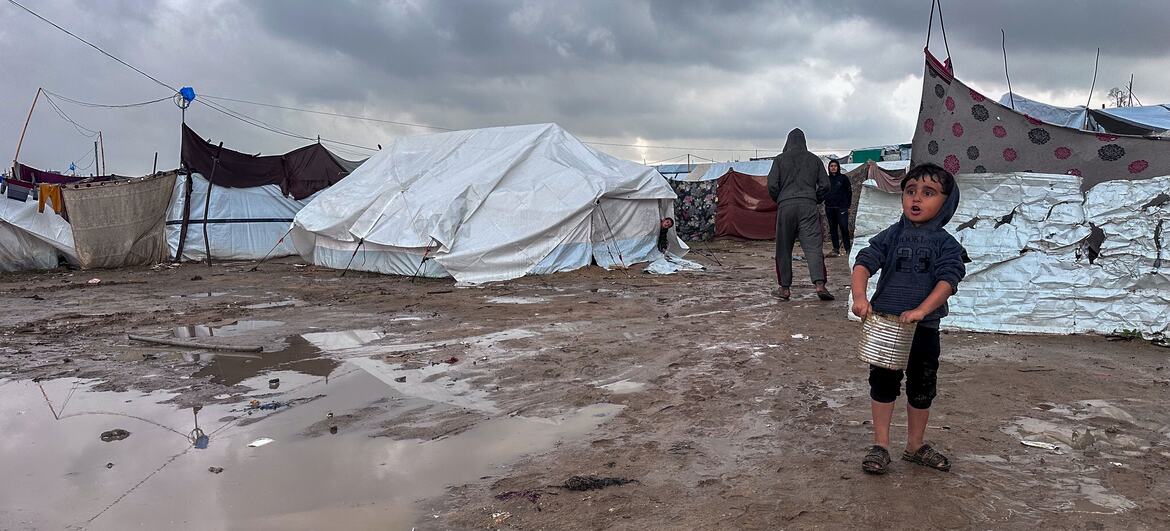
The ramifications of this closure are significant, halting vital operations that include the rotation of humanitarian personnel, medical evacuations, and the repatriation of individuals seeking refuge within Gaza. With access to essential supplies such as food, medical resources, and clean water severely limited, the suffering inflicted on civilians is poised to escalate further. As the scale of the humanitarian crisis grows, the international community is increasingly compelled to devise solutions that prioritize the well-being of those trapped in the crossfire of continuing conflict.
Stéphane Dujarric emphasized the urgent need for a “steady flow” of humanitarian and commercial goods into Gaza in order to alleviate the mounting distress. Several organizations dedicated to humanitarian relief have been working tirelessly to ensure a consistent supply of critical resources, despite facing formidable challenges due to ongoing restrictions. Nonetheless, Dujarric underscored that their efforts are on the brink of collapse under the weight of a comprehensive blockade.
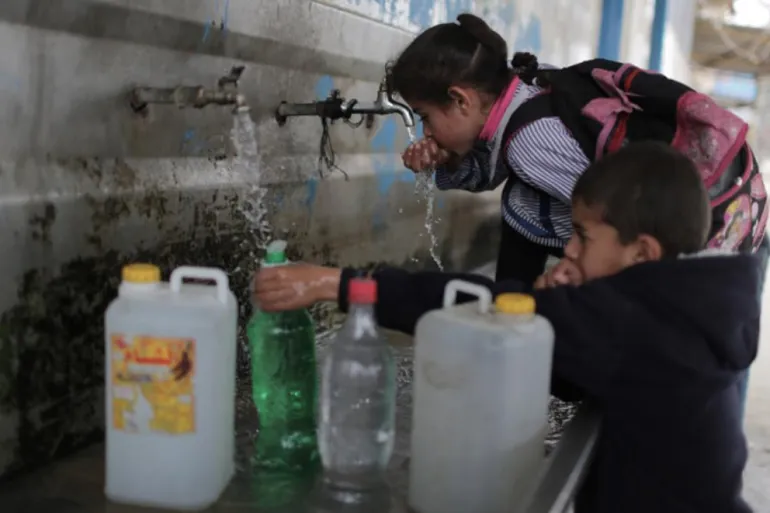
“The urgent need for the reopening of all crossings cannot be overstated,” he stated firmly, calling attention to the immediate steps required to address the crisis at hand. The severe shortage of fuel has further complicated the situation, forcing relief partners to prioritize life-saving operations that often operate at significantly reduced capacity. The impacts of this crisis are stark: bakeries, hospitals, and desalination facilities are struggling to maintain operations, while solid waste collection efforts have ground to a halt.
In a parallel development in the West Bank, Israeli forces have intensified their efforts by closing multiple checkpoints, significantly hindering movement between Palestinian cities and governorates. This has led to restricted access to livelihoods and essential services, further exacerbating the challenges faced by the local population. As the conflict continues, the need for immediate and effective humanitarian intervention has never been more urgent, and the international community must respond promptly to avert a humanitarian catastrophe.
Adding to the chorus of concern, Philippe Lazzarini, the head of the UN agency for Palestinian refugees (UNRWA), described the scenario as “a new chokehold on Gaza.” The backdrop of these crises portends an alarming future unless immediate measures are taken to restore vital supplies and ease the movement of people and goods in the region.2 – A surge in fighting in Sudan adds to ‘horrific’ humanitarian situation
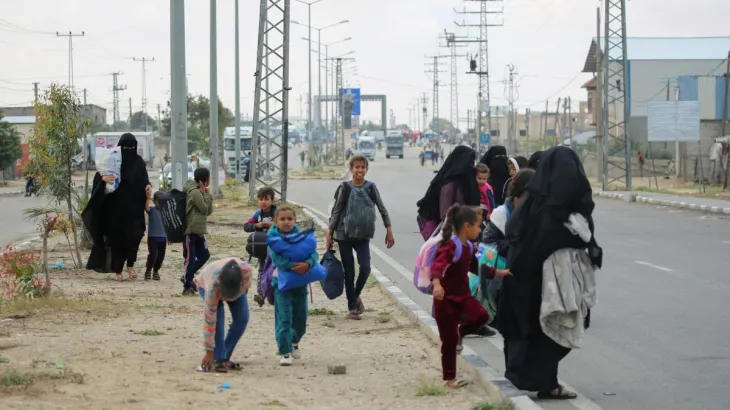
Humanitarian Crisis at the Rafah Crossing
The consequences of this blockade are severe: soaring levels of hunger, increased medical emergencies, and an atmosphere rife with fear. Aid trucks remain stalled at the crossing, unable to...
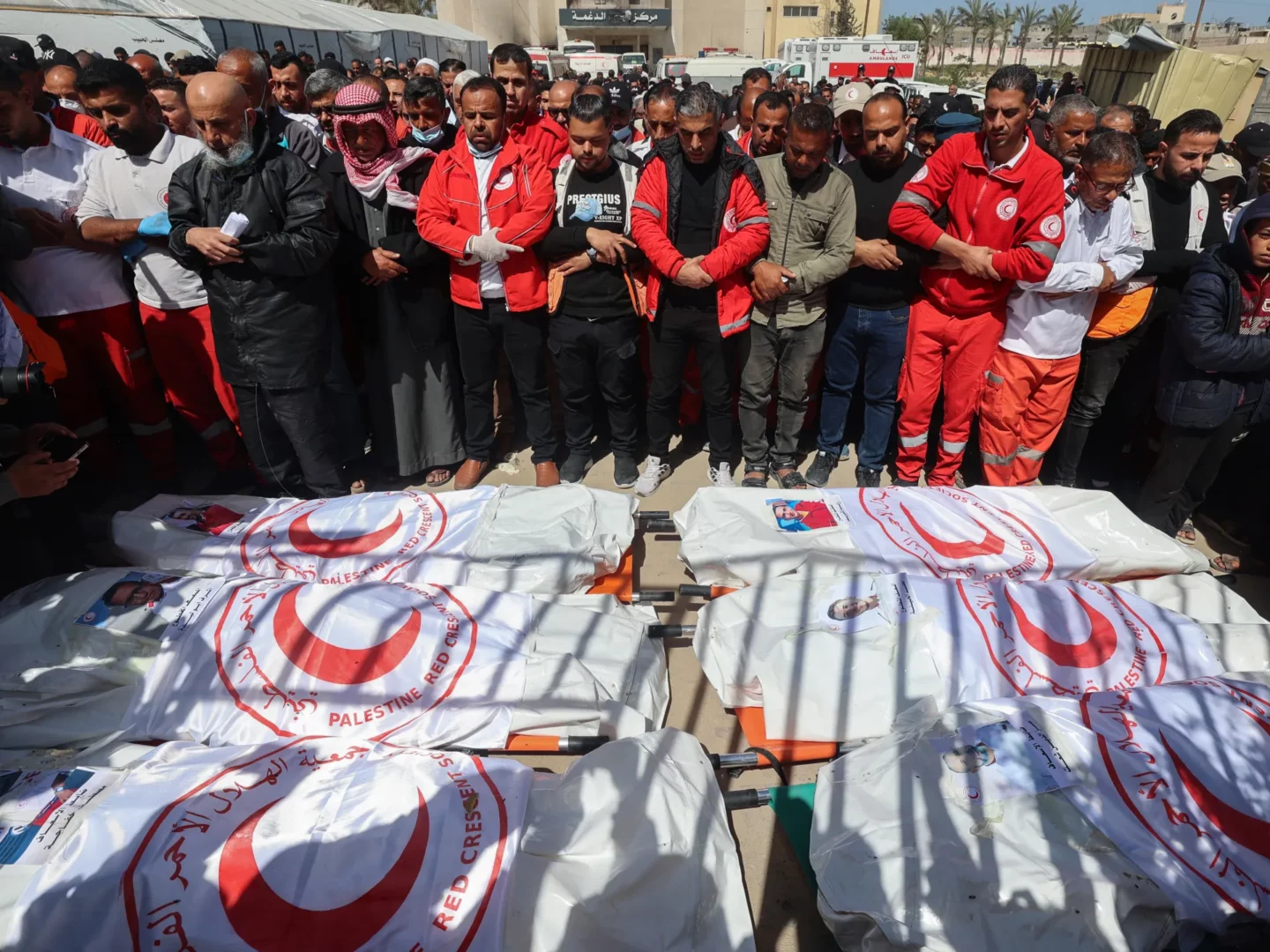
Ambush on Aid, Forensic Audio Links Bullets to Red Crescent Deaths in Tal al‑Sultan
The findings amplify allegations that humanitarian workers, who are protected under international law, were deliberately targeted.
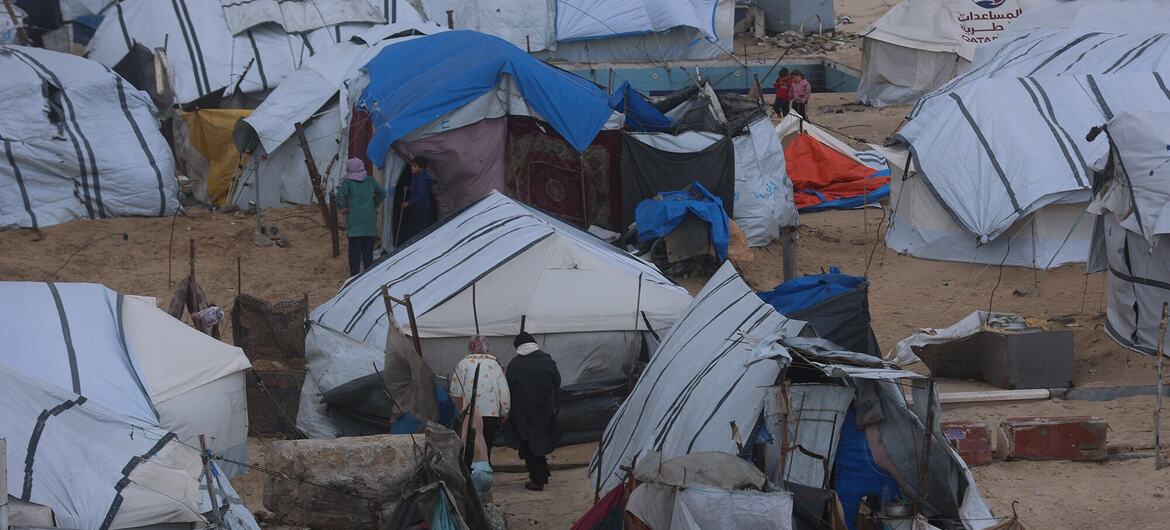
Gaza Shelters, Smouldering Risks and Restricted Aid
Movement of aid remains tightly controlled, with 67 missions between 12 and 19 February, 43 approved and nine denied outright, and several approved missions impeded, delaying fuel, medical...





Our Network
Our Channels

© 2026 Al Jazeera Media Network. All rights reserved.