

A Debt Long Overdue…
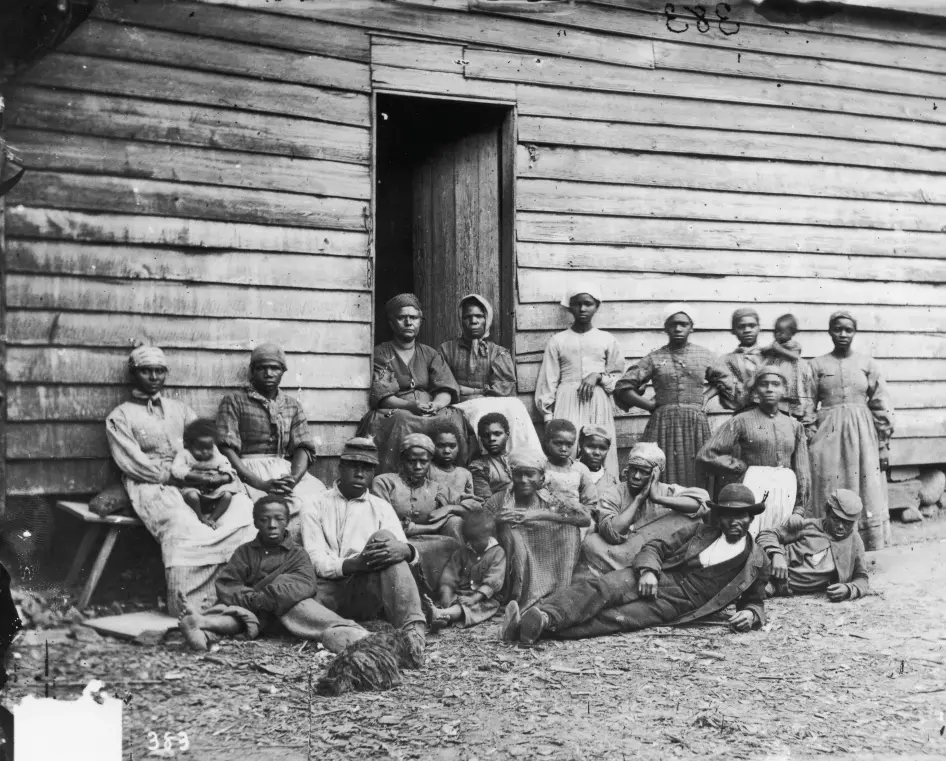
Formerly enslaved people sit at Foller's House in Cumberland Landing, Virginia, US, circa 1850. © 1850 Fotosearch/Getty Images
On March 25th, 2026, the United Nations General Assembly passed a resolution introduced by Ghana calling for reparatory justice for the trafficking of enslaved Africans and the centuries of racialised chattel enslavement that followed. The resolution describes these as the “gravest crime against humanity.” It calls for the restitution of looted cultural property, formal apologies, and the consideration of compensation and other reparatory measures, framing them as necessary responses to contemporary inequalities rooted in slavery, colonialism, and systemic racism. The vote was 123 in favour, three against, and 52 abstentions.
The three states that voted against were the United States, Israel, and Argentina. The 52 abstentions included the United Kingdom, Canada, and every member state of the European Union, including Spain, a former imperial power whose colonial wealth rested substantially on enslaved African labour. Ghana’s president, speaking on behalf of the African Group, described the initiative as “a route to healing and reparative justice” that moves “beyond symbolic acknowledgment and toward institutional accountability.”
The justifications offered by those who voted no or abstained were familiar and, on examination, thin. The United States delegation argued that the resolution narrowly focused Western responsibility and that reparations amounted to reallocating modern resources to people and nations distantly related to historical victims. The UK and EU member states, while acknowledging the slave trade as an “unparalleled tragedy,” questioned the legal basis for reparations, noting that colonial-era atrocities predated modern international law. They did not note that, historically, states like the United Kingdom compensated not the enslaved but their former owners, on the grounds that emancipation constituted a loss of property.
The legal and moral case for reparatory justice has been building for decades. The 2001 Durban Declaration, the reports of the UN High Commissioner for Human Rights, and a growing body of international scholarship all recognise slavery and the slave trade as crimes against humanity and call for remedies. The argument that modern law did not exist when these crimes occurred does not dissolve the obligation to address their living consequences, consequences that manifest in documented racial wealth gaps, educational disparities, and structural disadvantages across the African diaspora.
The vote reveals a persistent and widening divide between Global South countries, whose present circumstances were shaped by those crimes, and many Global North countries, which continue to benefit from their legacy while resisting structural accountability. The resolution is a beginning, not an end. The work of repair, restitution, and honest historical reckoning is not complete until those who profited from enslavement are prepared to do more than remember it.
Sources: UN General Assembly Resolution on Reparatory Justice for the Transatlantic Slave Trade, March 25, 2026. UN Durban Declaration and Programme of Action, 2001. UN High Commissioner for Human Rights, reports on racial justice and reparations. UN International Day of Remembrance of the Victims of Slavery, March 25, 2026
The Beautiful Game & The Human Rights
The US deported over 500,000 people in 2025 under the Trump administration, with ICE operations targeting communities of colour in all major host cities. Travel bans bar fans from Côte...
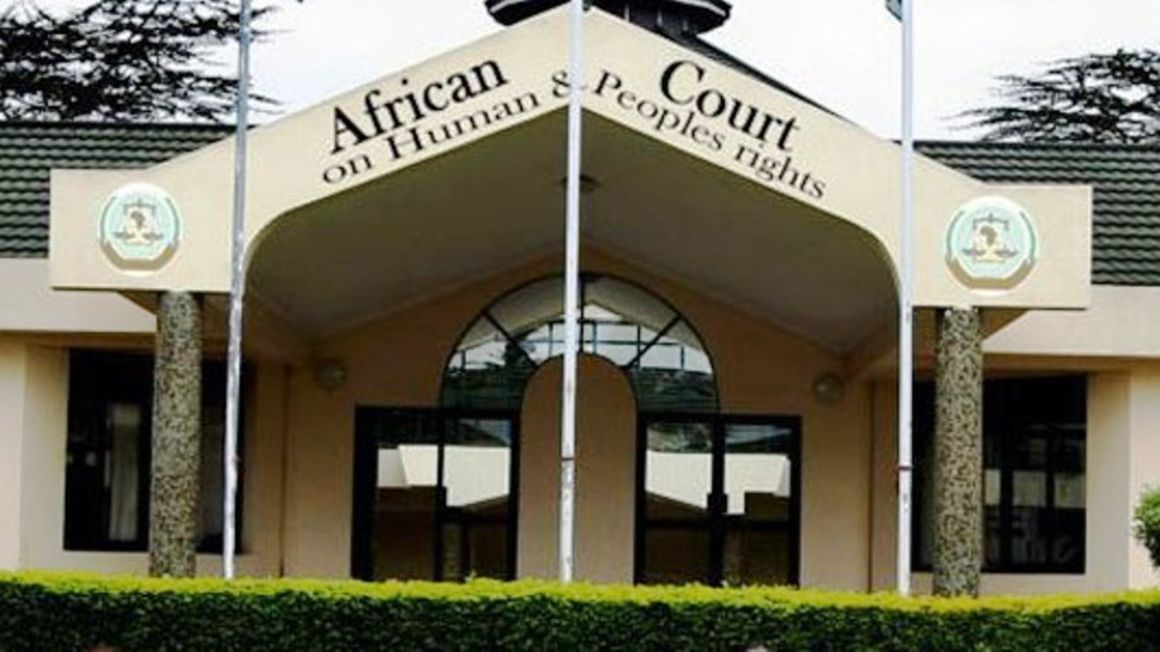
Humanitarian Obligation Without Shelter
The brief calls on the court to affirm five categories of binding state obligations covering prevention, rights-respecting adaptation, durable solutions, participatory decision-making, and...






Our Network
Our Channels

© 2026 Al Jazeera Media Network. All rights reserved.