
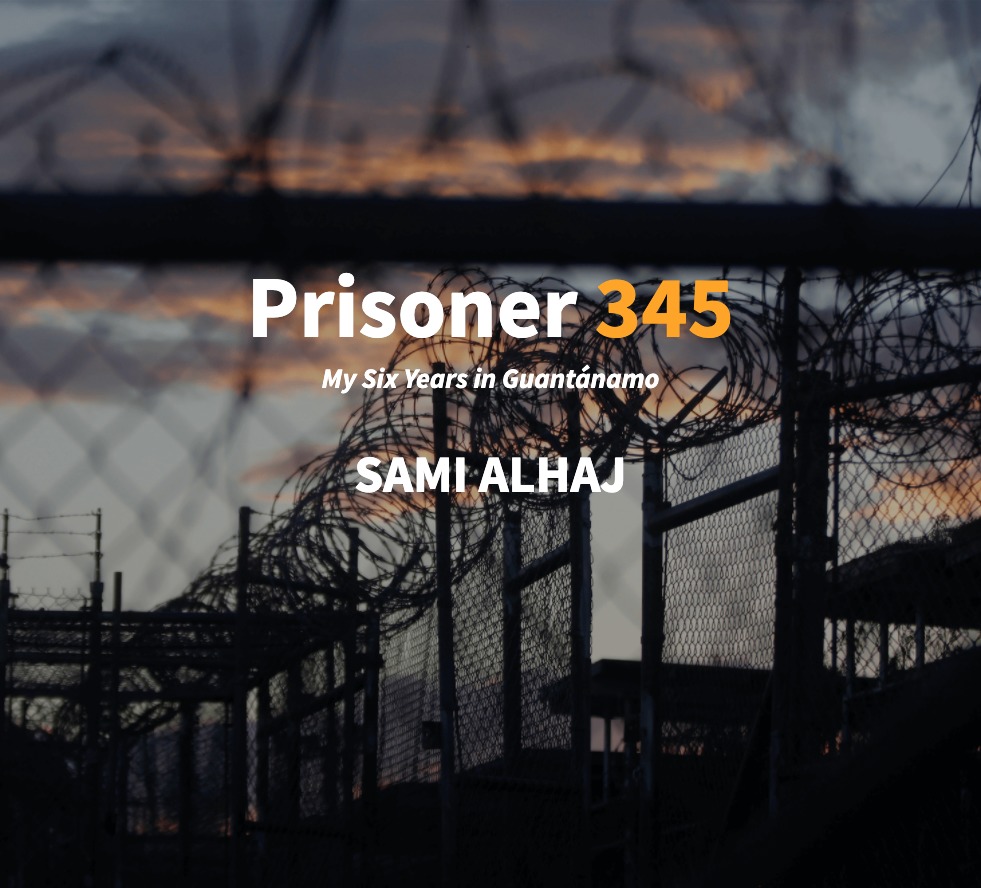

A Chilly Summit in the Arctic
![US President Donald Trump, right, and Russian President Vladimir Putin last met in person at the Group of 20 summit in Osaka, Japan, on June 28, 2019 [Kevin Lamarque/Reuters]](https://liberties.aljazeera.com/resources/uploads/2025/08/1755075310.webp)
US President Donald Trump, right, and Russian President Vladimir Putin last met in person at the Group of 20 summit in Osaka, Japan, on June 28, 2019 [Kevin Lamarque/Reuters]
On August 15th, Donald Trump and Vladimir Putin are set to meet in Alaska to discuss ending Russia’s war in Ukraine. Notably absent will be Ukraine’s president, Volodymyr Zelensky. Also missing from the agenda: any serious discussion of civilian protection or accountability for war crimes.
The talks, launched by the Trump administration earlier this year, have drawn sharp criticism from human-rights advocates, who warn that the fate of thousands of unlawfully detained Ukrainian civilians risks being sidelined.
Though recent negotiations have led to prisoner-of-war exchanges, Russia continues to hold and reportedly torture large numbers of Ukrainian civilians—a practice the UN has described as a crime against humanity.
Trump has floated the idea of “territory swapping” to bring the conflict to an end. But there is no mention of Russian war crimes, nor the forced deportations, militarization of occupied regions, and the imposition of Russian identity and education on Ukrainian children—hallmarks of Moscow’s occupation policy.
That Putin, wanted by the International Criminal Court for grave crimes in Ukraine, will be received on US soil speaks volumes about the Trump administration’s approach.
It has previously sanctioned ICC officials and withdrawn funding from war crimes investigations.
Any negotiated end to the war that ignores accountability and civilian protection risks entrenching impunity—and betraying the very people most affected by the conflict.
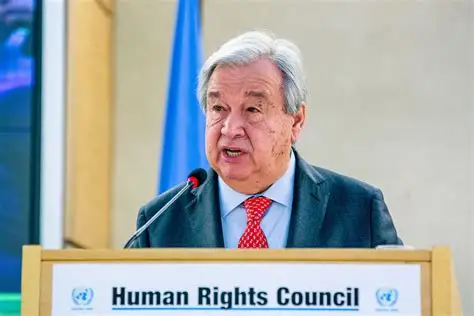
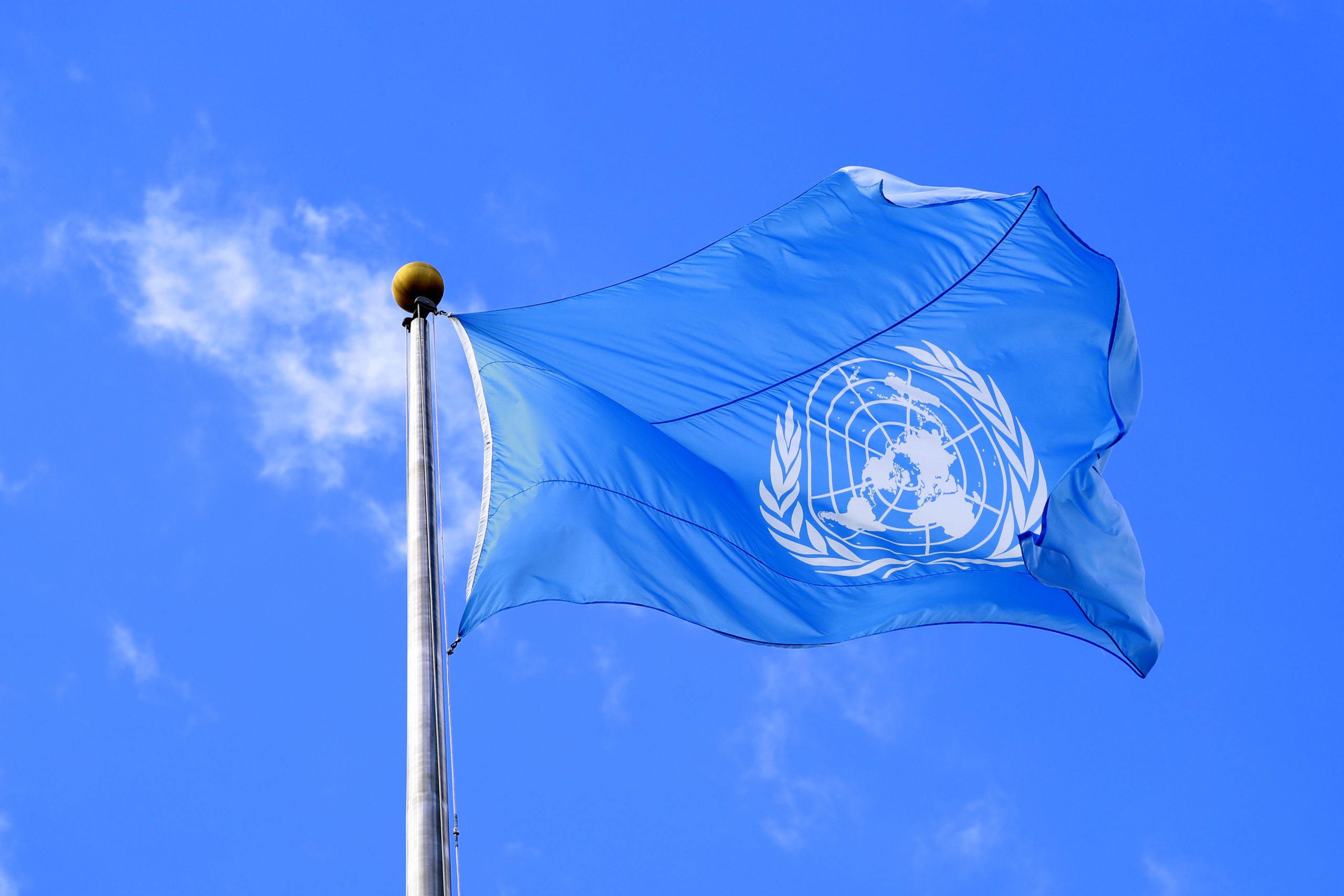
UN’s Warning, The Rule of Force Replaces the Rule of Law
Guterres and UN High Commissioner Volker Türk identified interconnected drivers: intensified great‑power competition for influence and resources, technological tools that enable repression...
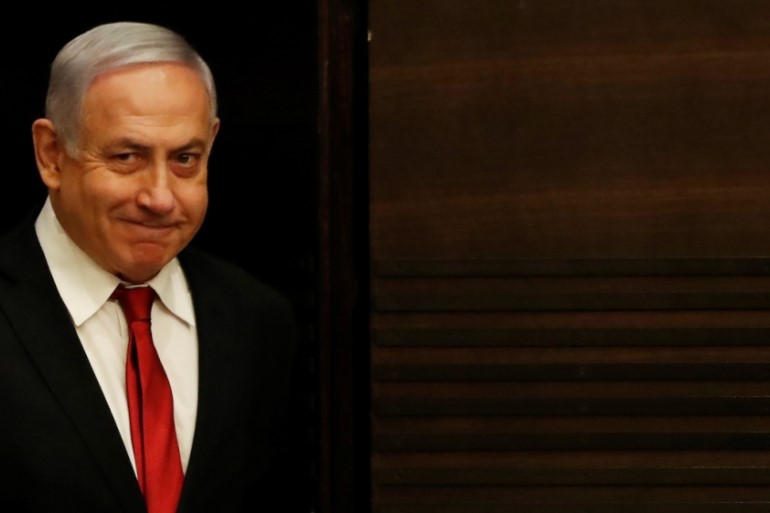
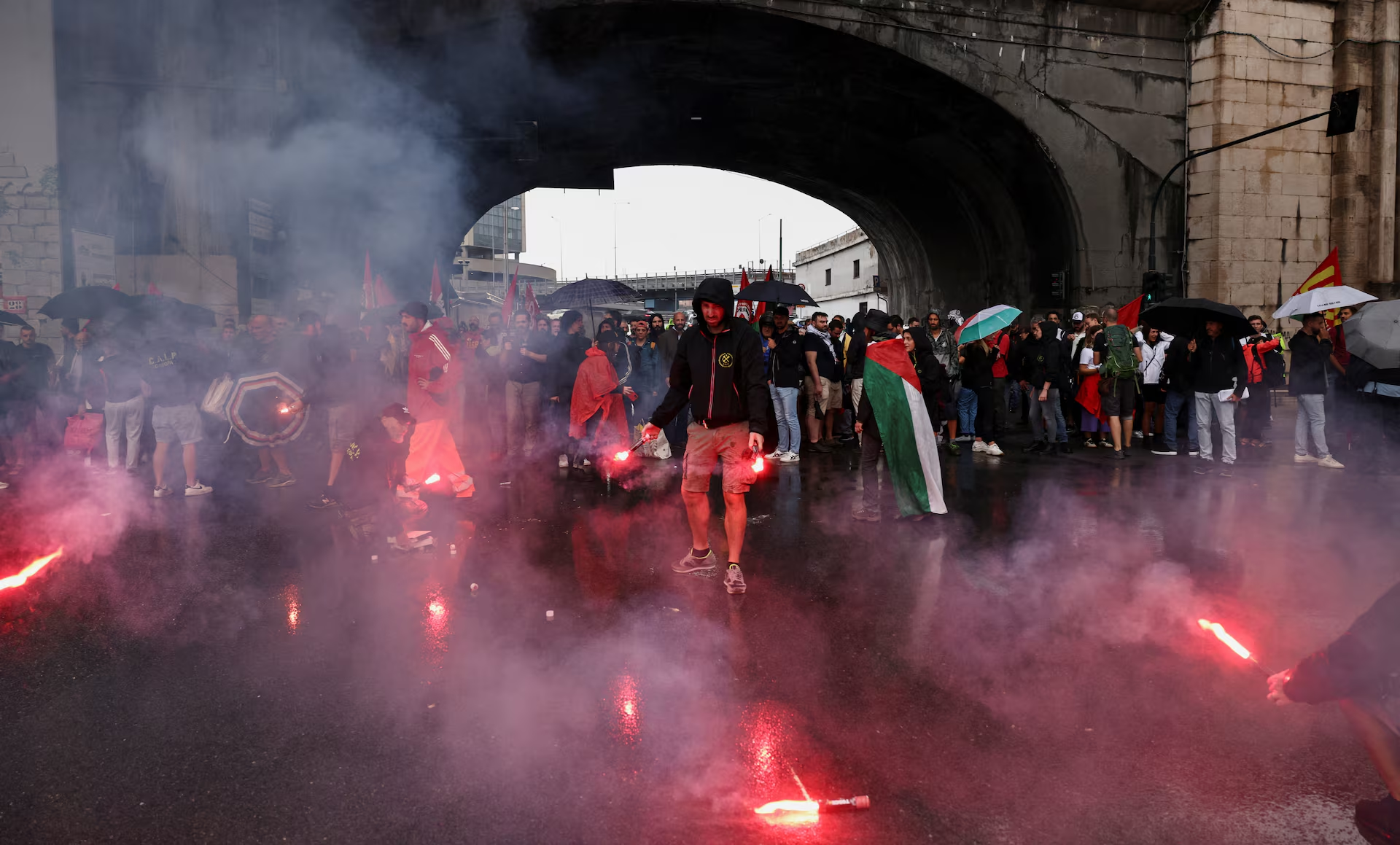
Israel/Testing Human-Rights Rhetoric
The debate therefore hinges on whether extra restraints materially enhance civilian protection, or whether they risk undermining a diplomatic floor that itself serves human-security interests.

- Events
- Gaza’s Tragic Present and Uncertain Future
- Human Rights, Values, and Culture.
- Humanitarian Crisis
- Press Freedom
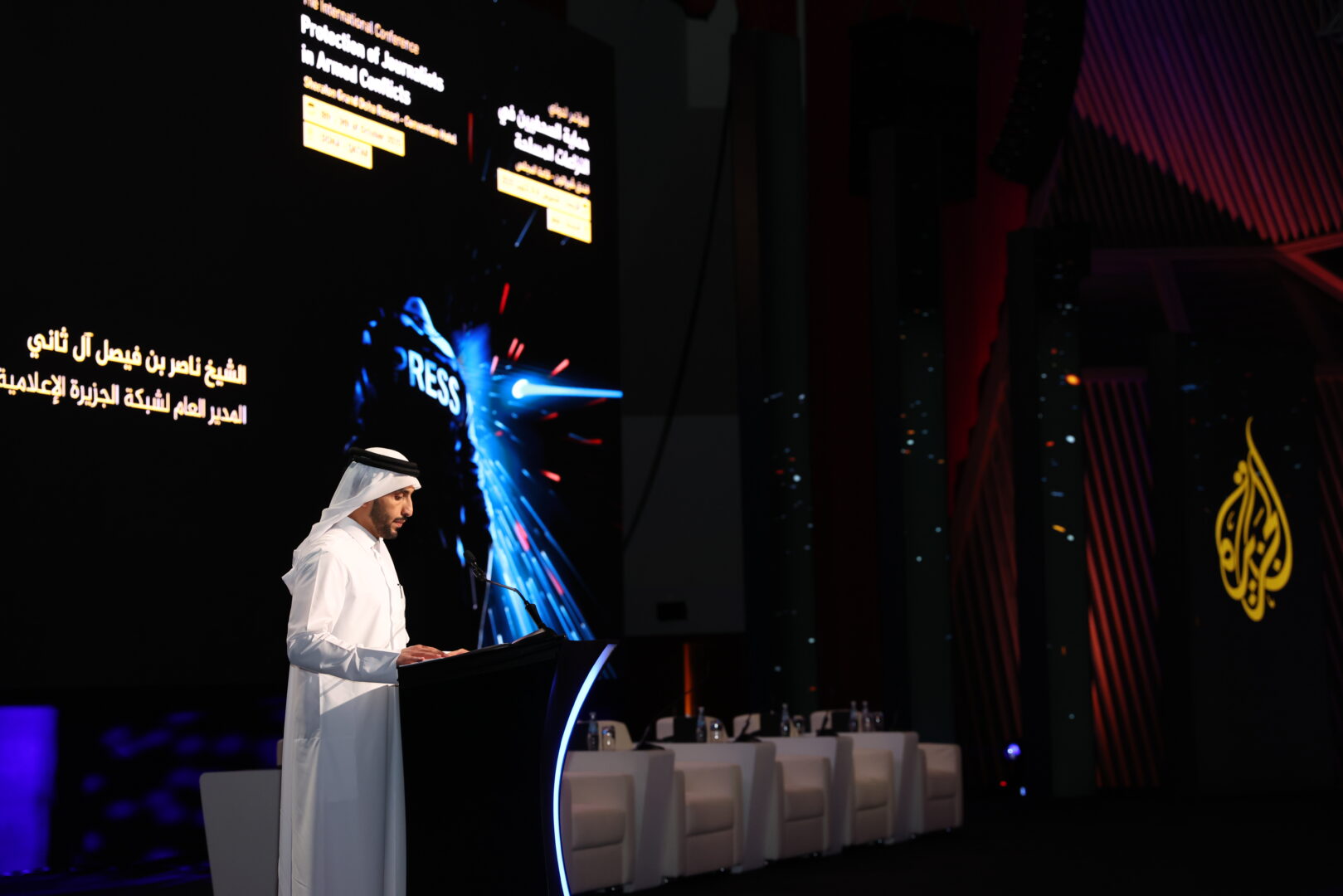
Al Jazeera Forum: Navigating the Complexities of Human Rights, Accountability & International Law
Discussions included the role of the ICC prosecutor and the importance of consistent enforcement to avoid perceptions of selective justice. Despite challenges, international law was recognized...
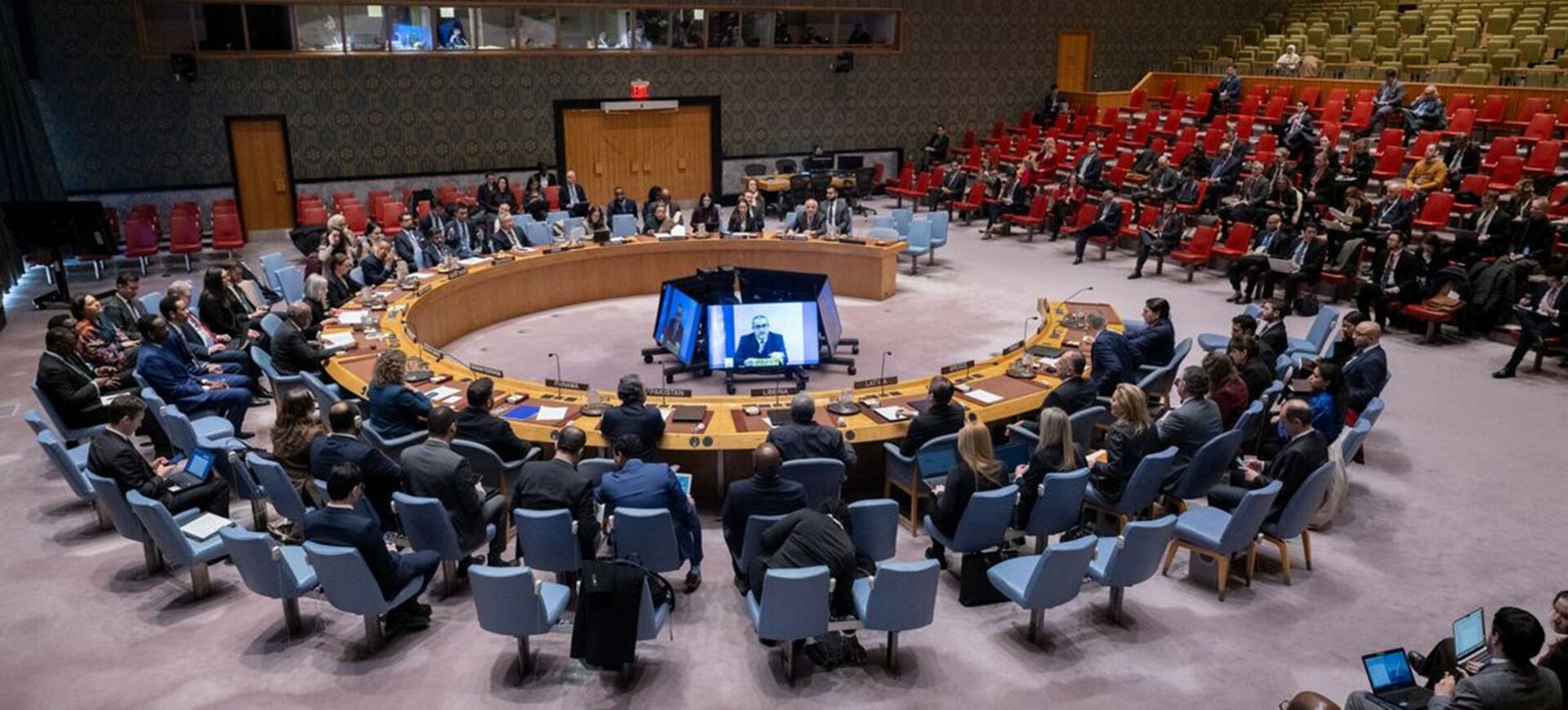
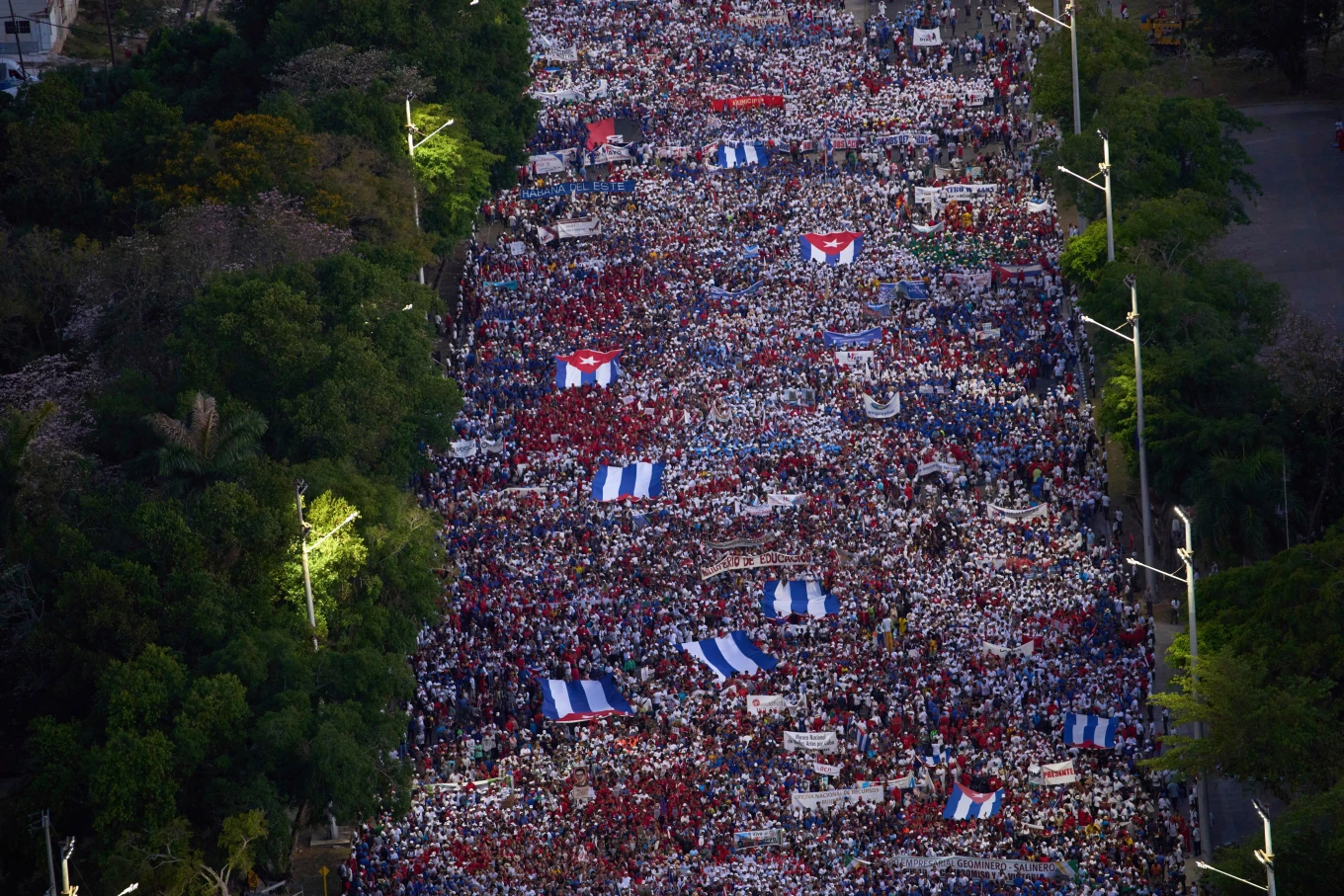
Council on the Brink, Security Council Debate Signals Narrow Window for Gaza Peace Plan Consolidation
Council speakers characterised the current ceasefire window as narrow, conditional on access, reconstruction financing, credible security arrangements, and immediate measures to halt settlement...




Our Network
Our Channels

© 2026 Al Jazeera Media Network. All rights reserved.