

A Catastrophe Without Cease
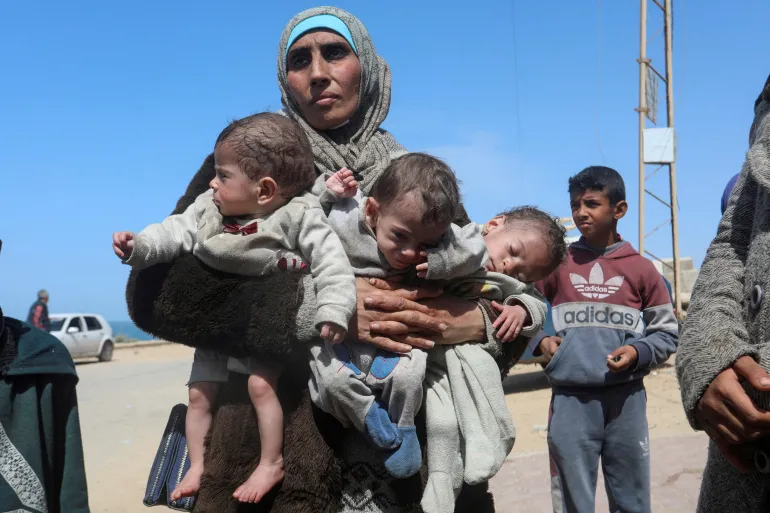
Archive/Al Jazeera.
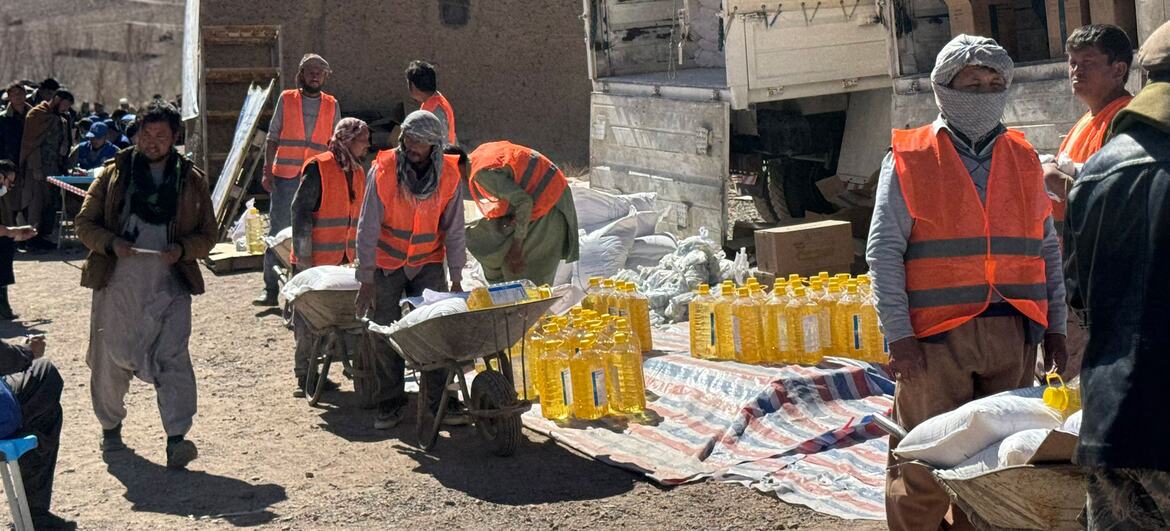
Israeli airstrikes intensified over the weekend, striking the Al-Karama area northwest of Gaza City, the southern coastal district of Al-Mawasi, and Deir al-Balah in the central strip. More than 50 Palestinians were reported killed on Sunday alone, among them 27 civilians struck while searching for food—an indictment not merely of wartime conduct but of a humanitarian architecture buckling under the weight of siege.
The conditions within the enclave have deteriorated into what Philippe Lazzarini, head of the UN’s agency for Palestinian refugees (UNRWA), has called “hell in all shapes.” His warning accompanied a grave milestone: the formal declaration by UN experts of a famine in northern Gaza. The declaration follows months of Israel’s near-total blockade on humanitarian supplies—an embargo that has choked off food, water, and medicine in equal measure.
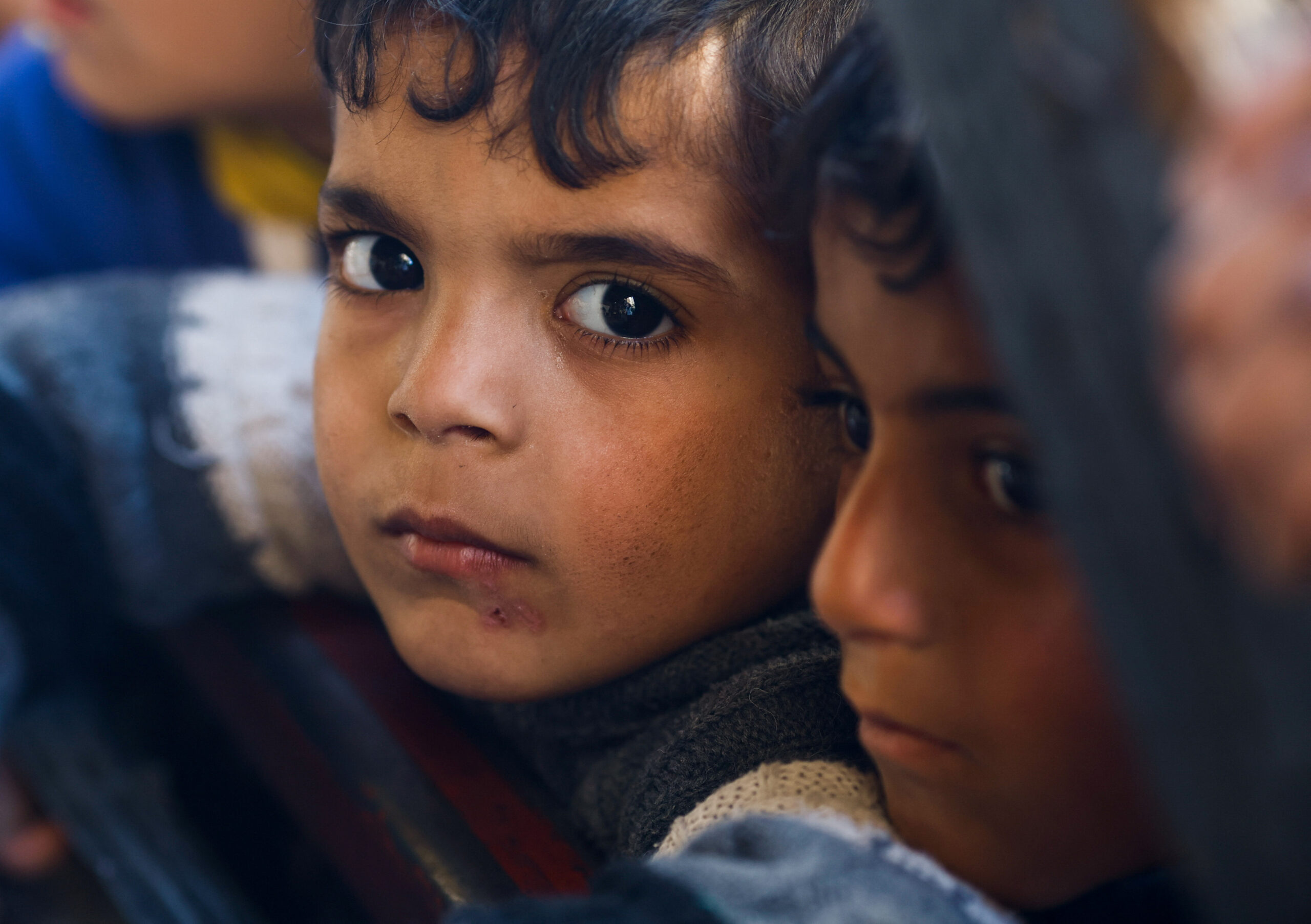
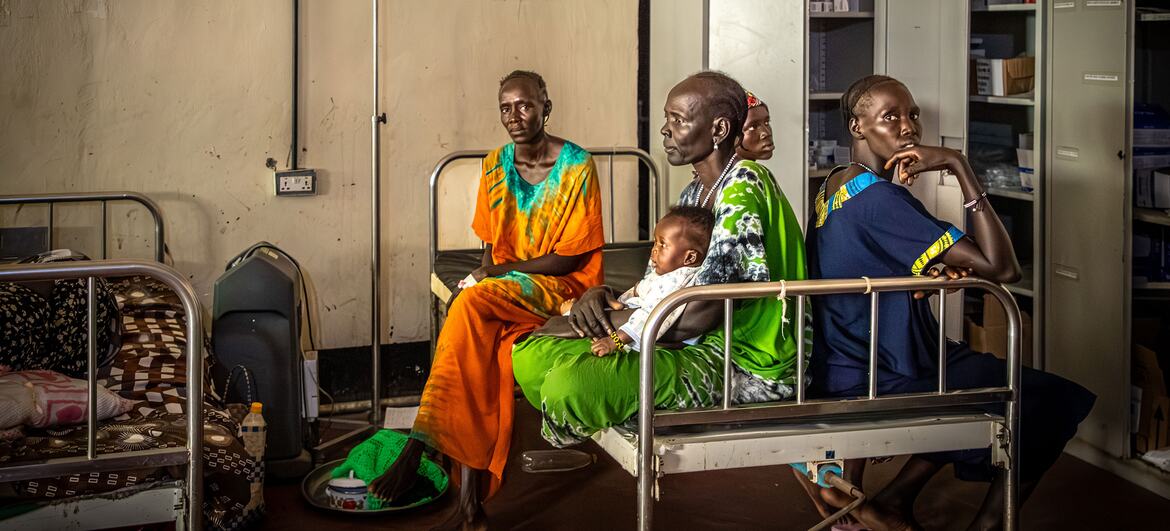
Famine is no longer a looming threat but a deadly presence. At least 289 Palestinians—115 of them children—have died from hunger and malnutrition. The toll is likely an undercount, given the collapse of public health infrastructure and the chaos of displacement.
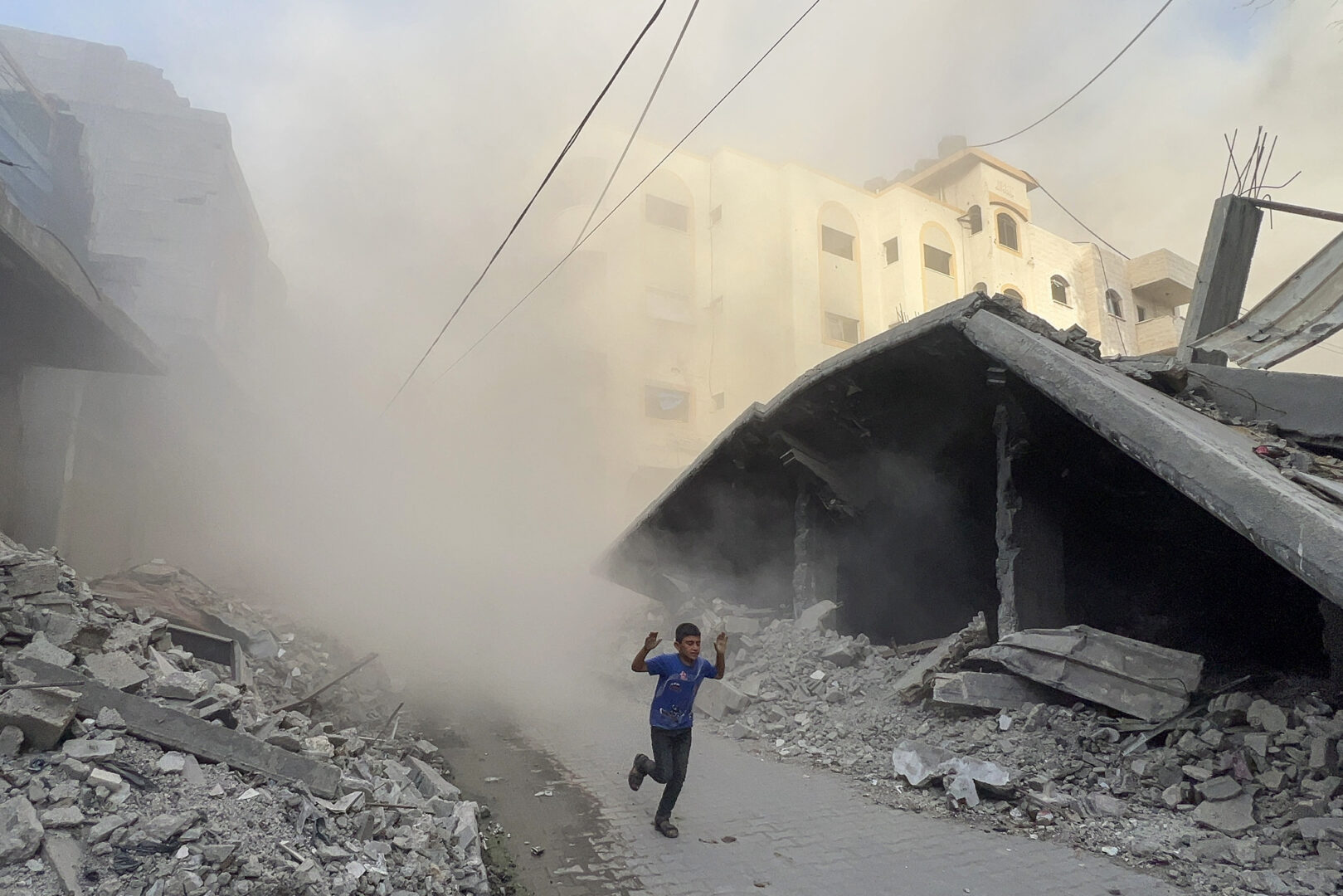
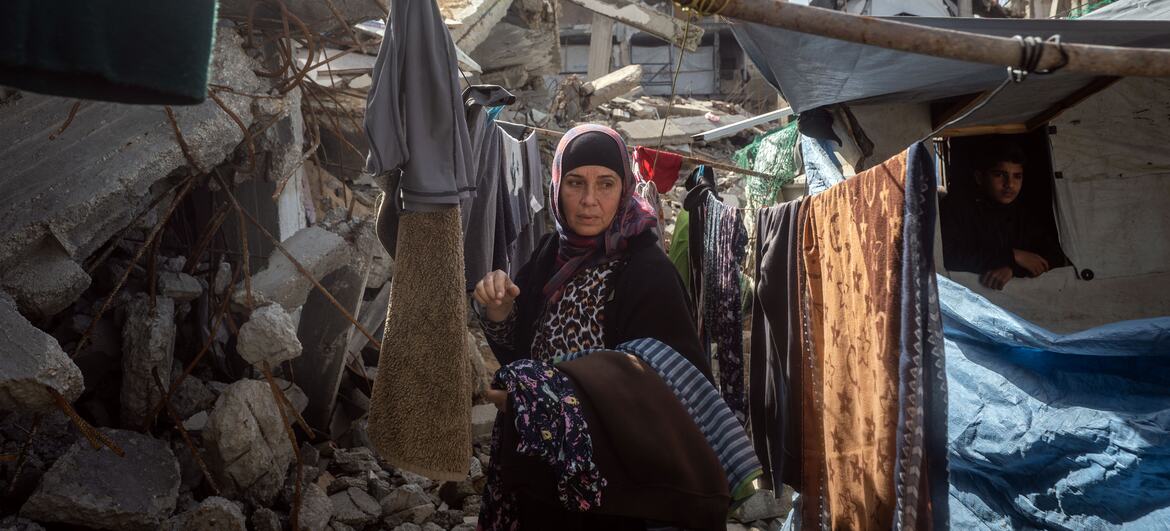
Nowhere is the devastation more visible than in Gaza City, where Israel’s intensified bombing campaign has reportedly reduced over 1,000 buildings to rubble in Zeitoun and Sabra since August 6. Gaza’s Civil Defence warns that entire neighbourhoods are being erased in a campaign of what Israel insists are precision strikes against Hamas militants but which, in effect, has levelled swathes of civilian infrastructure.
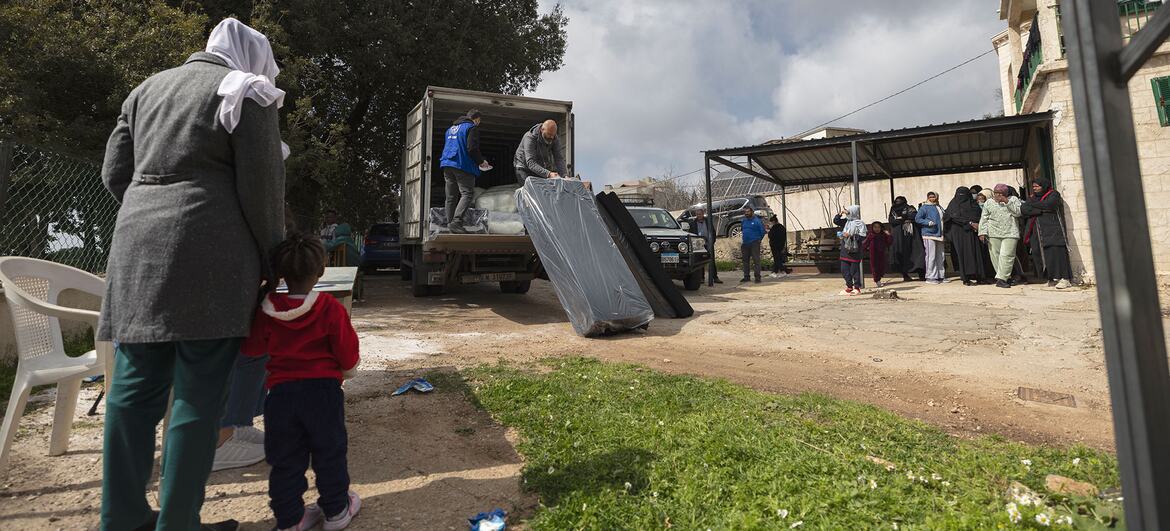
The territory is also facing a staggering shelter crisis. According to the Government Media Office in Gaza, the southern governorates are grappling with a shelter deficit exceeding 96%. Of the estimated 250,000 tents and caravans needed to accommodate the displaced—now estimated at 1.3 million—only 10,000 have entered the Strip since Israel announced it would allow shelter supplies. The gap between promise and delivery remains gaping.
At least 62,622 Palestinians have been killed and a further 157,673 wounded, according to Gaza health authorities. The human toll rises daily, even as diplomatic momentum falters, and the region slides further into what increasingly resembles a generational catastrophe.
Gaza conflict now teeters on the brink of famine, displacement, and infrastructural ruin. What remains of Gaza is not merely a warzone, but a scarred geography of despair.
War Without Shelter
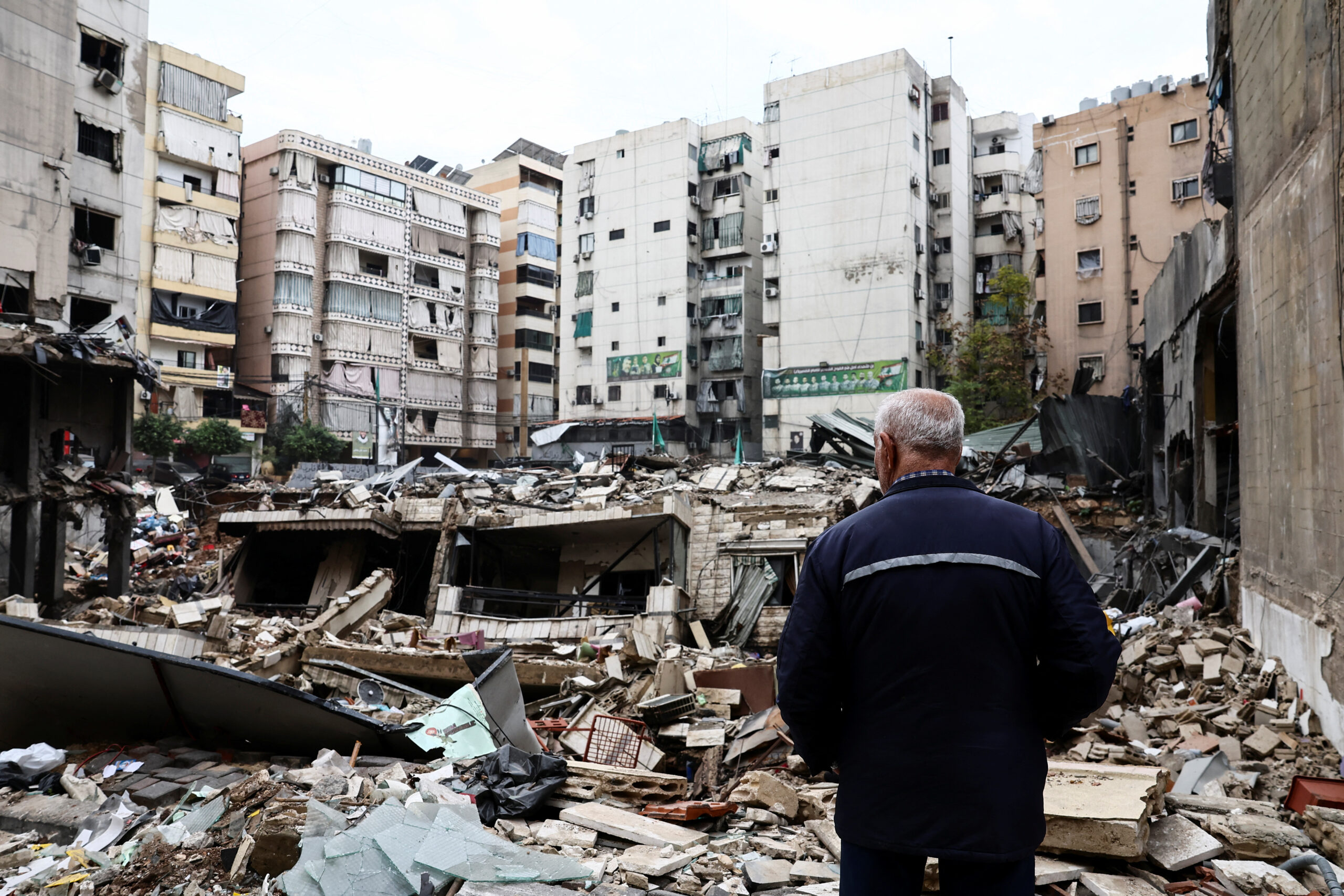
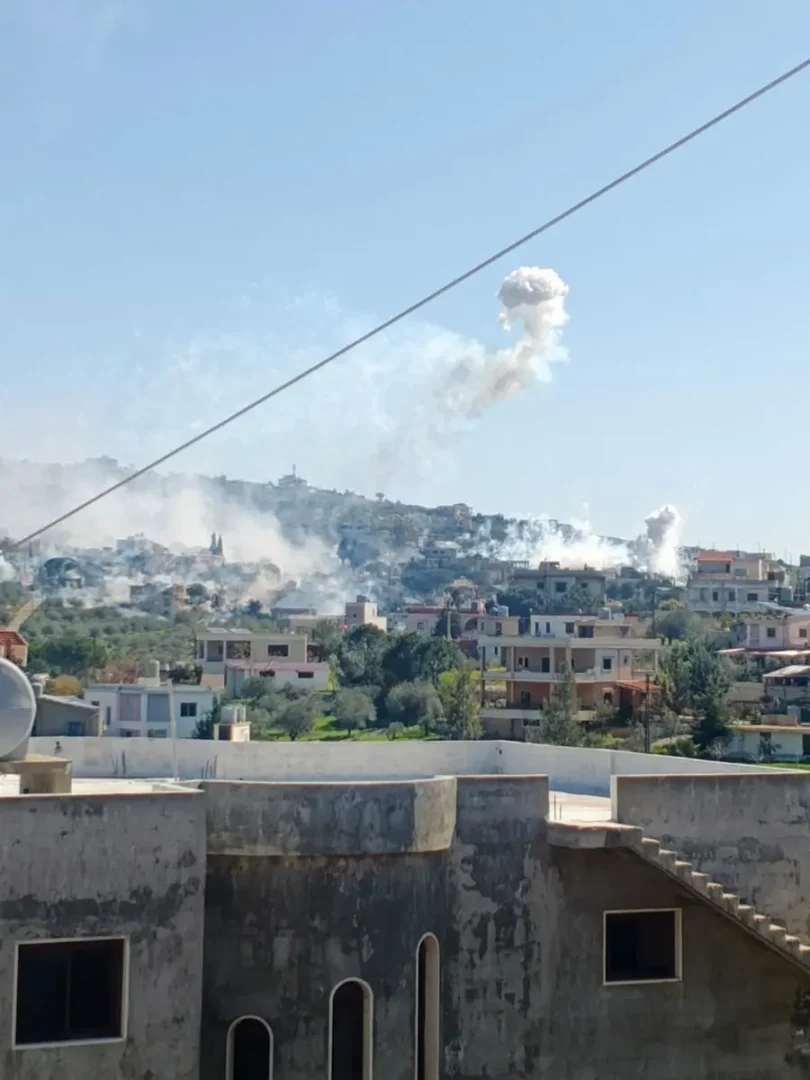
In Lebanon, Israeli strikes on targets linked to Hezbollah have intensified, often with less than an hour’s warning. Bridges destroyed in southern Lebanon have cut off entire districts,...
A War Spiralling Out of Humanitarian Law Control
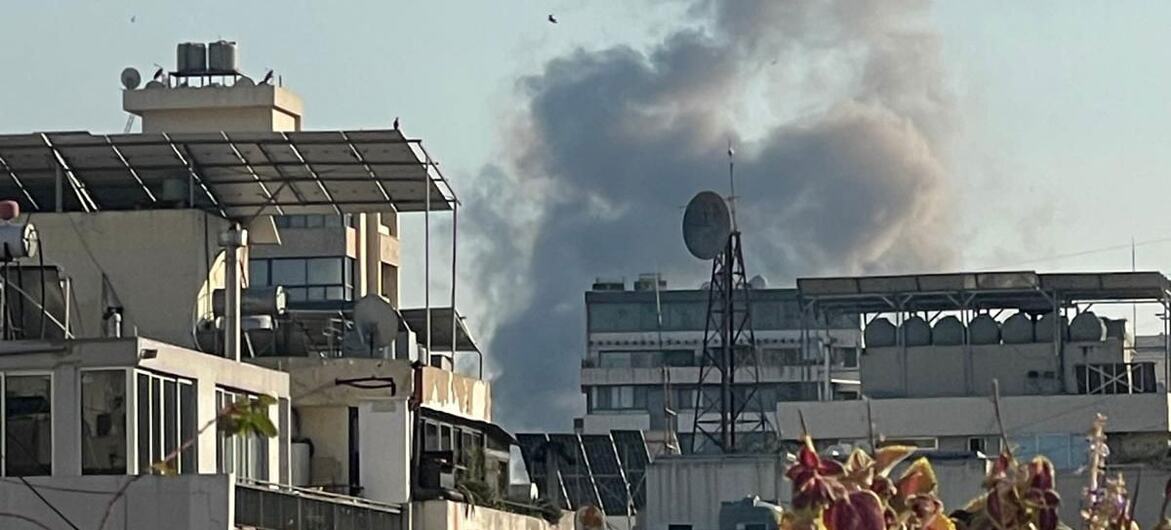
Strikes on Iran by the US and Israel have left more than 82,000 civilian structures damaged or destroyed, according to the Iranian Red Crescent Society.
Lebanon’s Spillover and Gaza’s Board of Peace
The council’s exchanges on 03/24/2026 underscored an urgent human rights imperative: protect civilians across borders, ensure aid corridors such as Rafah and Kerem Shalom remain open, and make...



Our Network
Our Channels

© 2026 Al Jazeera Media Network. All rights reserved.