

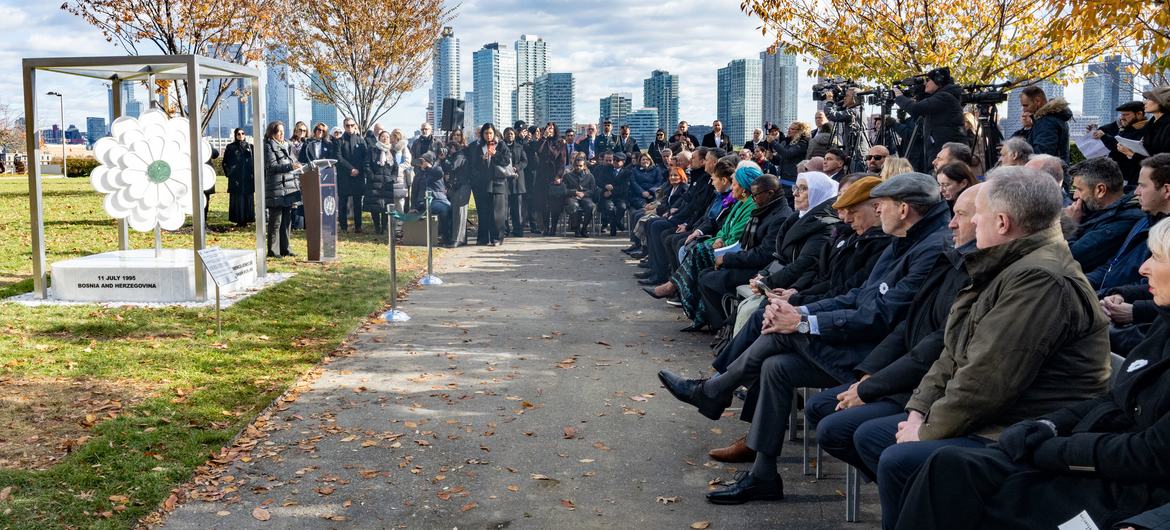
UN Photo/Eskinder Debebe Participants attend the dedication of the "Flower of Srebrenica" Memorial honoring the victims of the 1995 genocide in Srebrenica.
There was a sharp wind coming off the East River when the crowd began gathering outside the UN. Old diplomats shuffled closer to the heaters; families from Bosnia pressed together, clutching scarves and photographs. They were there to watch the unveiling of a marble flower, deceptively simple, white petals circling a green Centre built to remember the men and boys murdered in Srebrenica three decades ago.
Munira Subašić, who lost more relatives than she can easily count, spoke in a voice that carried farther than the microphones. She didn’t recite figures or legal classifications. She talked about names and how children had been killed because of the ones they carried. Her grandson, Karim, a shy and tired traveler, stood beside her. He wouldn’t say much later, only that everyone in his class had lost someone and that it was better not to bring it up.
What struck me most wasn’t the ceremony itself but the silence that followed each speech. Even UN officials, usually eager to recite pre-approved lines, seemed to choose their words more carefully. Amina Mohammed warned that denying the genocide is a habit that has been gaining new followers and was a kind of moral vandalism, a violence of its own. The memorial sits close to another reminder of the UN’s history of failure: the flame dedicated to Rwanda’s dead. Two catastrophes, two continents, a few metres apart. The symbolism requires no narration.
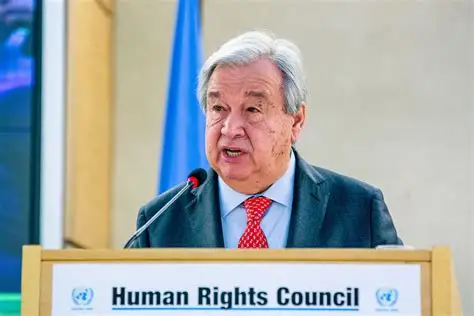
UN’s Warning, The Rule of Force Replaces the Rule of Law
Guterres and UN High Commissioner Volker Türk identified interconnected drivers: intensified great‑power competition for influence and resources, technological tools that enable repression...
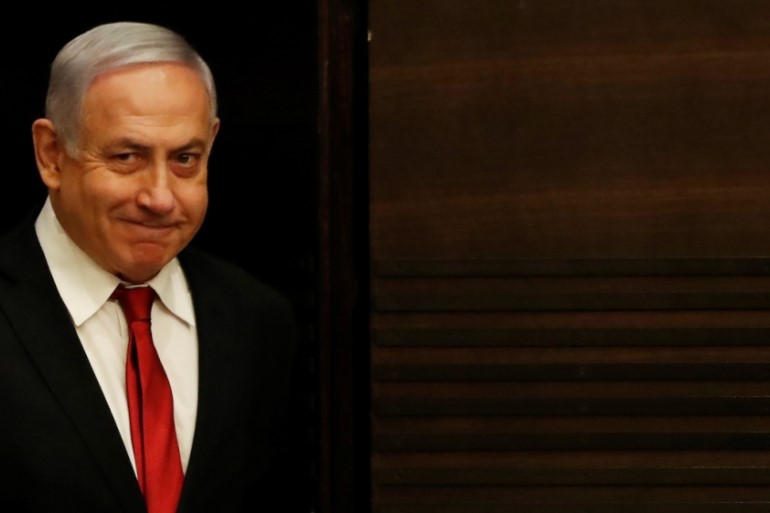
Israel/Testing Human-Rights Rhetoric
The debate therefore hinges on whether extra restraints materially enhance civilian protection, or whether they risk undermining a diplomatic floor that itself serves human-security interests.

- Events
- Gaza’s Tragic Present and Uncertain Future
- Human Rights, Values, and Culture.
- Humanitarian Crisis
- Press Freedom
Al Jazeera Forum: Navigating the Complexities of Human Rights, Accountability & International Law
Discussions included the role of the ICC prosecutor and the importance of consistent enforcement to avoid perceptions of selective justice. Despite challenges, international law was recognized...
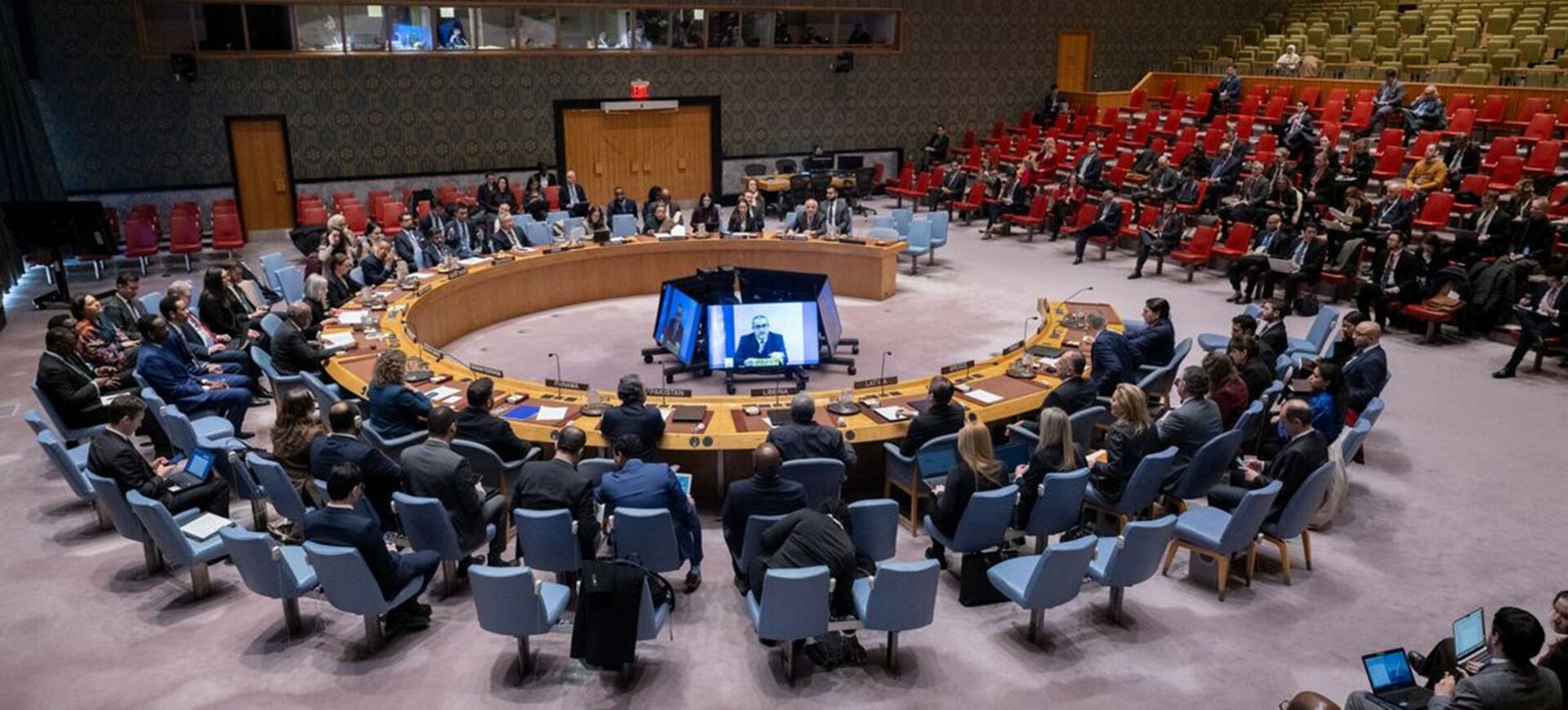
Council on the Brink, Security Council Debate Signals Narrow Window for Gaza Peace Plan Consolidation
Council speakers characterised the current ceasefire window as narrow, conditional on access, reconstruction financing, credible security arrangements, and immediate measures to halt settlement...

Our Network
Our Channels

© 2026 Al Jazeera Media Network. All rights reserved.